




So, you’re looking at new floors and trying to figure out the difference between LVT and laminate. It’s a common question! Both can look pretty great and cost less than hardwood, but they’re actually made differently and act differently in your home. Let’s break down LVT vs laminate flooring so you can pick the best fit for your space.
Key Takeaways
LVT is made from multiple layers of PVC, making it fully waterproof, while laminate has a fiberboard core that can be damaged by excessive moisture.
Laminate flooring often feels a bit warmer and softer underfoot, especially with the right underlayment, while LVT can feel more rigid.
Both LVT and laminate are generally easy to clean, but LVT can handle a wet mop, whereas laminate is best cleaned with dry methods to avoid moisture damage.
Laminate is typically made from wood byproducts and is considered a more eco-friendly option than LVT, which is made from synthetic materials like PVC.
While both are durable, LVT is generally more resistant to scratches and dents, making it a good choice for homes with pets or heavy furniture.
Understanding LVT vs Laminate Flooring Construction
When you’re trying to figure out the difference between LVT and laminate flooring, it really comes down to what they’re made of and how they’re put together. They might look similar once they’re installed, but their inner workings are quite distinct.
Core Material Differences
The biggest difference lies in their core materials. Laminate flooring uses a core made from wood byproducts, typically high-density fiberboard (HDF). This means it’s essentially a composite material derived from real wood. LVT, on the other hand, is entirely synthetic. It’s made from polyvinyl chloride (PVC) and other plastic compounds. This fundamental difference in core material impacts everything from water resistance to how the floor feels underfoot.
Layered Composition of LVT
LVT, or Luxury Vinyl Tile (and Plank), is built up from several distinct layers, all designed to work together. Usually, you’ll find:
A backing layer: This provides stability and can sometimes include features for sound dampening or moisture resistance.
The core layer: This is the main body of the LVT, made from PVC. Some LVT products have a more rigid core, which can make them feel sturdier.
A print layer: This is where the design – be it wood grain, stone, or abstract pattern – is printed. High-quality LVT uses advanced printing techniques for realistic visuals.
A wear layer: This is the transparent top coating that protects the print layer from scratches, scuffs, and fading. The thickness of this layer is a key indicator of LVT’s durability.
HDF Core in Laminate Flooring
Laminate flooring also has a layered structure, but its heart is the High-Density Fiberboard (HDF) core. This core is made by compressing wood fibers with resins under intense heat and pressure. This gives laminate its characteristic rigidity. The layers typically include:
A backing layer: Similar to LVT, this layer helps stabilize the plank and offers some protection against moisture from below.
The HDF core: This is the thickest and most substantial layer, providing the structural integrity for the plank.
A decorative layer: This is a high-resolution photographic image that mimics the look of wood, stone, or tile. It’s what gives laminate its visual appeal.
A protective wear layer: This clear topcoat shields the decorative layer from daily wear and tear, including scratches and stains. It’s often treated with aluminum oxide for extra toughness.
While both LVT and laminate aim to replicate natural materials, their construction methods lead to different performance characteristics. Understanding these layers helps explain why one might be better suited for certain areas of your home than the other. For instance, the synthetic nature of LVT makes it a strong contender for wet areas like bathrooms.
Because laminate uses wood fibers, it’s naturally more susceptible to swelling and damage from prolonged moisture exposure compared to the all-vinyl construction of LVT. This is a key distinction when deciding where to install each type of flooring. The construction of laminate flooring is quite different from vinyl, even though they often look alike.
Comparing the Aesthetics and Design Options
When you’re picking out new flooring, how it looks is usually the first thing you think about, right? Both LVT and laminate flooring have come a long way, and they can really change the feel of a room. They both aim to give you the look of more expensive materials like wood or stone, but they get there in slightly different ways.
Visual Appeal of LVT
Luxury Vinyl Tile (LVT) is known for its incredible versatility when it comes to looks. Because it’s made from synthetic materials, manufacturers can print almost any design onto it. This means you can get LVT that looks exactly like natural stone, ceramic tile, or even wood planks. The realistic textures and high-definition printing mean it’s often hard to tell the difference from the real thing. It’s a great option if you want a specific high-end look without the high-end price tag or maintenance. Plus, LVT is a fantastic choice for areas where moisture is a concern, giving you more design freedom in kitchens and bathrooms. You can find LVT that mimics everything from rustic wood to sleek marble. LVT often resembles stone or ceramic tiles, offering a wide range of aesthetic applications.
Laminate’s Replication of Wood
Laminate flooring’s main claim to fame is its ability to mimic wood. It uses a photographic layer under a clear protective coating to create a wood grain pattern. Modern laminate has gotten really good at this, often featuring textured surfaces that feel like real wood underfoot. While it primarily focuses on wood looks, the quality of the replication can vary. Some high-end laminates offer incredibly deep and realistic visuals, while lower-end options might look a bit more repetitive or flat. It’s a solid choice if you’re set on the classic look of hardwood but need something more budget-friendly.
Design Versatility Across Both
Both LVT and laminate offer a huge range of design possibilities, but they have different strengths. LVT really shines when you want to go beyond wood looks. Think about intricate tile patterns for a bathroom or a stone effect for a entryway. Laminate, while mostly focused on wood, can still offer a variety of wood species, plank widths, and finishes, from light and airy to dark and dramatic.
Here’s a quick look at what you can expect:
LVT: Wood planks, stone tiles, ceramic tile looks, abstract patterns.
Laminate: Primarily wood looks (various species, colors, plank sizes), some stone or abstract designs are available but less common.
When choosing between the two, consider the specific room and the overall style you’re aiming for. If you’re dreaming of a specific tile pattern or a very particular stone look, LVT might be your best bet. If a classic wood floor is what you have in mind, high-quality laminate can be a very convincing and cost-effective alternative. LVP typically imitates wood planks, whereas LVT often resembles stone or ceramic tiles.
Ultimately, both flooring types provide accessible ways to achieve beautiful floors without breaking the bank. The best choice really comes down to your personal style and the specific needs of your space.
Performance in Wet Environments: LVT vs Laminate
When it comes to areas where moisture is a regular concern, like kitchens, bathrooms, or even basements, the material your flooring is made from really matters. It’s not just about how it looks, but how it holds up when things get a little damp.
LVT’s Superior Water Resistance
Luxury Vinyl Tile (LVT) is generally the go-to choice for wet areas. Because it’s made from synthetic materials, primarily PVC, it’s inherently resistant to water. This means spills, splashes, and even standing water are far less likely to cause damage. Unlike materials that can absorb moisture, LVT doesn’t swell or warp when exposed to water. This makes it a really solid option for places where you expect things to get wet from time to time. It’s a flooring that can handle a bit of a splash without you having to panic.
Laminate’s Moisture Vulnerabilities
Laminate flooring, on the other hand, has a core made from wood byproducts. While many modern laminates are treated to be water-resistant, they aren’t completely waterproof. If water seeps into the seams or sits on the surface for too long, it can penetrate that wood-based core. This can lead to swelling, warping, and even mold growth, which is definitely not what you want in your home. You have to be much more careful with spills on laminate. It’s important to clean them up right away to prevent any long-term issues. Some newer laminate products are better, but you still need to be cautious.
Installation Considerations for Wet Areas
How you install your flooring also plays a big role, especially in damp spots. For LVT, you often have the option of glue-down installation, which creates a really solid, sealed surface that’s great for preventing moisture from getting underneath. Floating floor systems are also common for LVT, and many are designed to be waterproof. With laminate, it’s almost always a floating floor system. While this is easy for DIYers, it means there are more potential entry points for water if not installed perfectly. For any room that sees a lot of moisture, choosing a truly waterproof LVT flooring is often the safer bet. It just gives you that extra peace of mind.
Durability and Resilience: Which Flooring Lasts Longer?
When you’re picking out new flooring, you want something that can handle the daily grind, right? Both LVT and laminate are pretty tough, but they have their own strengths and weaknesses when it comes to standing up to life’s little accidents.
Scratch and Dent Resistance
Laminate flooring, because it’s made from harder materials, often has an edge when it comes to resisting scratches and dents. Think about it: if you’re constantly moving furniture or have pets that love to zoom around, laminate might hold up a bit better against those surface marks. However, LVT is also designed to be quite scratch-resistant, so it really depends on the specific product you choose. Some higher-end LVT options can be just as tough, if not tougher, than laminate.
Impact of Pets and Furniture
Pets can be tough on floors. Their claws can scratch, and accidents can happen. While laminate might be more prone to scratches, LVT can sometimes be more susceptible to dents or tears if something heavy is dragged across it. It’s a good idea to shift your furniture around periodically on LVT floors to prevent permanent indentations. For pet owners, looking for floors with a good wear layer is key, regardless of whether you choose LVT or laminate.
Overall Material Toughness
Generally speaking, LVT is often considered a bit more resilient overall. While laminate can chip at the edges, LVT is typically more forgiving if something heavy is dropped on it, though it might dent. If a repair is needed, LVT can sometimes be easier to fix. Both types of flooring come with warranties that can give you a good idea of their expected lifespan, often comparing similarly.
It’s worth noting that while both are durable, neither LVT nor laminate will quite match the prestige or longevity of natural stone or solid hardwood floors. However, they offer a practical and attractive alternative for many homes.
Here’s a quick look at how they stack up:
Scratch Resistance: Laminate often wins, but high-quality LVT is also very good.
Dent Resistance: LVT can be more prone to dents from heavy objects.
Pet Friendliness: Both can work, but consider the wear layer and scratch resistance.
Repairability: LVT might be slightly easier to repair in some cases.
When comparing LVT vs vinyl flooring durability, it’s clear that both are strong contenders for busy households, but LVT often has a slight edge in overall resilience and repairability.
Comfort, Sound, and Feel Underfoot
When you’re picking out new flooring, it’s easy to get caught up in how it looks. But once it’s installed, you’ll really notice how it feels and sounds when you walk on it every single day. This is where LVT and laminate can feel quite different.
Tactile Sensation of Laminate
Laminate flooring, because it’s made from wood byproducts, often has a more natural feel underfoot. It can feel a bit warmer and softer, especially if you pair it with a good quality foam underlayment. The thicker the laminate plank, the better insulated the floor will generally be. It’s not quite like walking on real wood, but it gets closer than you might expect.
Warmth and Quietness of LVT
Luxury Vinyl Tile (LVT) tends to be a bit quieter. Even walking in heels on LVT usually doesn’t make much noise, which is a big plus for many people. It’s also generally warmer than laminate, though this can depend on what it’s installed over. If you’ve got concrete or tile underneath, LVT might feel a little cool, but an underlay can help with that. LVT is part of what’s known as “resilient flooring,” meaning it has a bit of give.
Impact of Underlayment
Underlayment plays a pretty big role in how both types of flooring feel and sound. For laminate, using a high-quality foam layer can make a noticeable difference in comfort and sound absorption. Most LVT floors come with a built-in underlay, but if yours doesn’t, you’ll want to add one. A damp-proof membrane underlay is a good idea if you’re laying flooring on concrete to block moisture, and a soundproof underlay can really help with acoustics, making rooms feel quieter and more peaceful. Choosing the right underlayment can significantly improve the overall feel of your floor, whether it’s LVT or laminate.
Don’t underestimate the power of underlayment. It’s often the unsung hero that transforms a floor from just okay to genuinely comfortable and quiet. It’s a relatively small expense that can make a huge difference in your daily experience with your home.
Installation Methods and DIY Friendliness
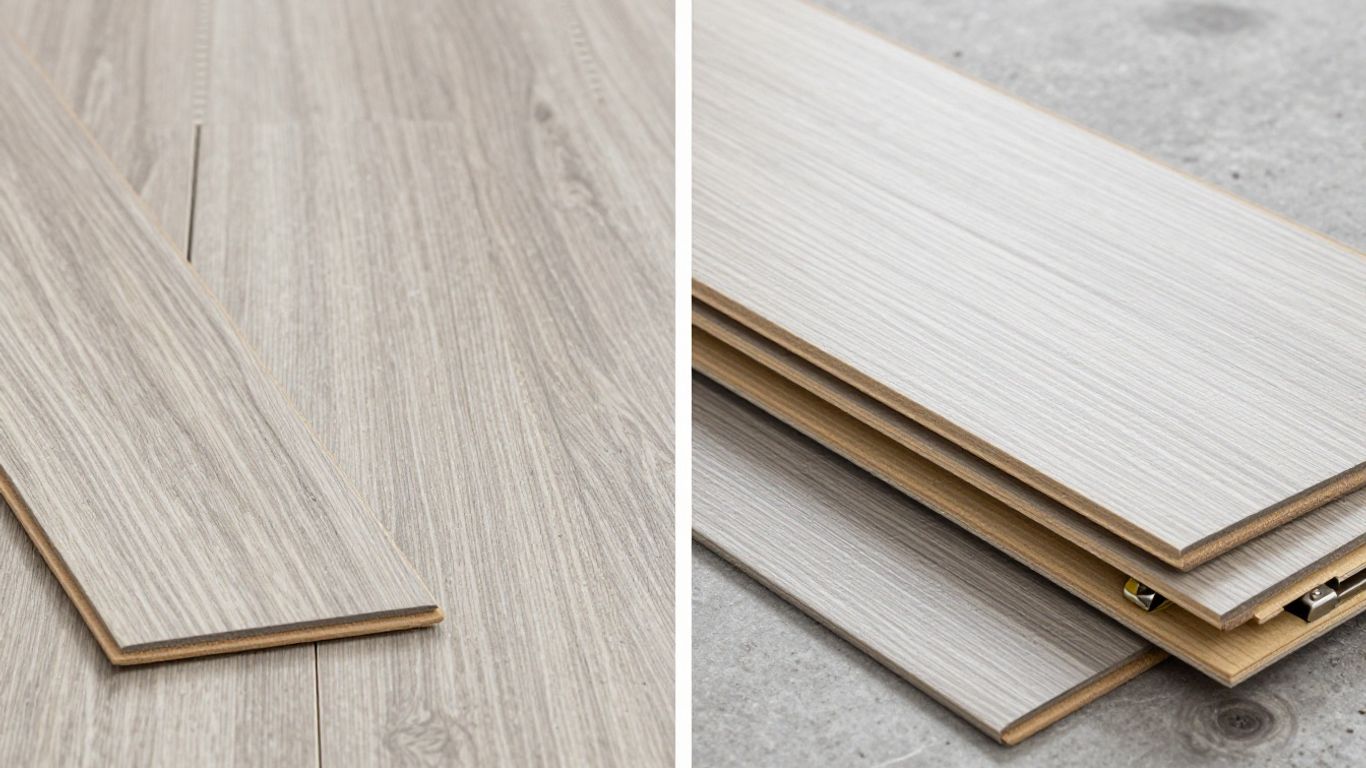
When it comes to putting down new flooring, both LVT and laminate are pretty good options for folks who like to tackle projects themselves. Honestly, most people can get these floors installed without needing to call in a professional.
Floating Floor Systems
This is a big one for both LVT and laminate. A floating floor means the planks or tiles aren’t attached directly to the subfloor. Instead, they connect to each other, creating a single, large piece that just rests on top. It’s like a puzzle that locks together. This method is super popular because it’s generally easier and faster than gluing everything down. Plus, if you ever need to replace a damaged plank, it’s usually much simpler with a floating system.
Glue-Down Options for LVT
While many LVT products are designed to float, you’ll also find options that are meant to be glued directly to the subfloor. This method can offer a really solid, permanent feel. It’s often recommended for larger areas or places where you want extra security against shifting. Gluing down LVT can take a bit more time and patience, and you’ll want to make sure you’re using the right adhesive for the job. It’s not typically an option for laminate, which almost always uses a floating system.
Tools and Techniques for Installation
Getting the right tools makes all the difference. For laminate, you’ll likely need a saw – a hand saw, jigsaw, or even a power saw works well for cutting planks to size. LVT, on the other hand, is often more forgiving. You can usually score and snap it with a sharp utility knife or a heavy-duty craft knife.
Here’s a quick rundown of what you might need:
A measuring tape and pencil for marking cuts.
A utility knife or saw for cutting planks/tiles.
A tapping block and pull bar for locking planks together (for floating floors).
A level to check your subfloor.
Possibly a rubber mallet for gentle adjustments.
Before you start, always check your subfloor. It needs to be clean, dry, and as level as possible. Uneven surfaces can cause problems down the line, no matter which type of flooring you choose. If you’re laying on concrete, especially in a basement, a damp-proof membrane underlay is a good idea for both types to prevent moisture issues. For laminate, the type of underlayment you pick can really affect the feel and sound of the floor, so don’t skimp there. You can find helpful guides on installing vinyl plank flooring if you’re leaning that way.
Remember to read the manufacturer’s specific instructions before you begin. Different brands and product lines might have slightly different installation requirements, and following them closely is key to a successful and long-lasting floor.
Maintenance and Cleaning Regimens
Keeping your floors looking good doesn’t have to be a chore, whether you’ve chosen LVT or laminate. Both are generally pretty easy to care for, but they do have their own little quirks.
Routine Cleaning Practices
For day-to-day upkeep, a quick sweep or vacuum is usually all that’s needed for both LVT and laminate. This helps get rid of dust, dirt, and any little bits that can scratch the surface over time. Regular sweeping prevents abrasive particles from dulling your floor’s finish.
Daily/Weekly: Sweep or vacuum with a soft brush attachment. Avoid vacuums with beater bars that can scratch.
Spot Cleaning: Address spills immediately to prevent them from setting.
Damp Mopping: For a deeper clean, use a damp mop. For LVT, a pH-neutral cleaner is usually best. Laminate often requires a specific laminate floor cleaner, and it’s important to use it sparingly – too much water is laminate’s enemy.
Dealing with Spills and Stains
Accidents happen, right? If you spill something on your LVT, just wipe it up. It’s pretty forgiving. Laminate can be a bit trickier. While it handles minor spills well if cleaned up quickly, prolonged exposure to moisture can cause swelling or damage, especially at the seams. For tougher stains on LVT, you might need a bit more elbow grease, but there are specific products designed for cleaning LVT floors.
When cleaning laminate, always err on the side of caution with water. A barely damp mop is far better than a soaking wet one. Think of it as a quick wipe-down, not a scrub.
Recommended Cleaning Products
Choosing the right cleaner is key to maintaining your floor’s appearance and integrity.
For LVT: Most manufacturers recommend a pH-neutral cleaner. You can often get away with just warm water and a microfiber mop. Some specialized vinyl floor cleaners are also available.
For Laminate: It’s best to use a cleaner specifically made for laminate flooring. These are formulated to clean effectively without leaving residue or introducing too much moisture. Always check the manufacturer’s recommendations for your specific product.
Avoid: Harsh chemicals, abrasive cleaners, steel wool, or excessive water on both types of flooring, but especially on laminate.
Cost Considerations for LVT vs Laminate
When you’re figuring out which flooring to go with, the price tag is usually a big part of the decision, right? Both LVT and laminate are known for being more budget-friendly than, say, real hardwood or stone, which is a huge plus. They offer a way to get that high-end look without completely emptying your wallet.
Initial Material Pricing
Generally speaking, laminate and basic LVT flooring are pretty close in price. You can find decent options for both that won’t break the bank. However, if you start looking at the really high-end, super-realistic LVT designs, they can sometimes creep up a bit higher than comparable laminate options. It really depends on the specific product you’re eyeing and the brand. For a general idea, laminate might range from $1.80 to $2.80 per square foot for the material itself, while LVT could be anywhere from $2.20 to $3.50 per square foot. Of course, these are just ballpark figures and can change based on sales and where you’re shopping.
Installation Expenses
This is where things can get interesting. Both LVT and laminate are often designed for easy installation, making them popular choices for DIYers. Laminate planks usually click together, and many LVT products do too. This can save you a good chunk of money on labor if you’re comfortable tackling it yourself. However, if you’re hiring professionals, the cost will vary. The average cost to install LVT flooring, including materials and labor, can range from $4 to $16 per square foot. Laminate installation costs are often in a similar ballpark, but it’s always best to get a few quotes for your specific project. Some LVT can also be glued down, which might involve different labor costs compared to a floating floor system.
Long-Term Value Comparison
Thinking about the long haul is smart. Both LVT and laminate are durable, but they have different strengths. Laminate, with its wood-based core, can be susceptible to water damage if not properly sealed, which might mean repairs or replacement down the line if spills aren’t handled quickly. LVT, being 100% synthetic, is generally more water-resistant, which can be a big advantage in kitchens or bathrooms, potentially saving you money on future water-related issues. While neither typically adds the same resale value as hardwood, a well-maintained floor of either type is certainly better than worn-out carpeting. The overall value often comes down to how well the floor holds up to your specific household conditions and how long you plan to stay in your home.
Here’s a quick look at typical cost ranges:
Flooring Type | Material Cost (per sq ft) | Installation Cost (per sq ft, professional) |
|---|---|---|
Laminate | $1.80 – $2.80 | $2.00 – $7.00 |
LVT | $2.20 – $3.50 | $4.00 – $16.00 |
Remember that these are just averages. The final price can swing quite a bit depending on the quality of the product, the complexity of your room’s layout, and the installer you choose. Always factor in the cost of underlayment, trim pieces, and any necessary subfloor preparation.
So, Which Flooring Wins?
Alright, so we’ve gone over the nitty-gritty of LVT and laminate flooring. Honestly, neither one is a clear-cut winner for every single situation. Laminate can be a bit tougher against scratches and might feel a little warmer underfoot, plus it’s often made from recycled wood stuff, which is cool. But, if you’re worried about spills, especially in places like the kitchen or bathroom, LVT really shines because it’s basically waterproof. Both are pretty easy to install yourself and won’t break the bank compared to real wood or stone. Think about where it’s going, how much traffic it’ll see, and how much you like cleaning up little messes. That’s really how you’ll figure out which one is the best fit for your place.
Frequently Asked Questions
What’s the main difference in how LVT and laminate are made?
LVT, or luxury vinyl tile, is made from several layers of plastic (PVC). Laminate flooring, on the other hand, uses a core made from wood fibers, often high-density fiberboard (HDF). Think of LVT as fully synthetic and laminate as a wood product with a printed design.
Which flooring is better for bathrooms or kitchens where spills happen?
LVT is generally the better choice for wet areas. Because it’s made of plastic, it’s waterproof and can handle standing water without damage. Laminate has a wood-based core that can swell and warp if it gets too wet, so spills need to be cleaned up quickly.
Can I install these floors myself?
Both LVT and laminate are often designed for easy DIY installation using click-lock systems. Laminate planks can usually be cut with a saw. Many LVT tiles or planks can be cut with a sharp utility knife. However, some LVT options are glued down, which requires more care.
Which flooring feels more comfortable underfoot?
Laminate often feels a bit warmer and softer, especially with a good underlayment. LVT can feel a little more rigid and cooler, particularly if installed over a concrete floor. LVT is known for being quieter, though, as it absorbs sound well.
How do LVT and laminate hold up against scratches and pets?
Laminate is generally harder and can resist scratches better. However, it can chip. LVT is often more resistant to scratches but can be dented or torn. If you have pets that scratch a lot, laminate might be a slightly better option, but LVT is often recommended for overall durability.
Are LVT and laminate expensive?
Both LVT and laminate are budget-friendly options, often costing similar amounts and much less than real wood or stone. While basic versions are comparable, very high-end LVT can sometimes be more expensive than laminate. The cost also depends on the specific design and thickness you choose.