




Dealing with carpet stains can feel like a losing battle sometimes. Whether it’s a rogue coffee spill during your morning routine or a muddy paw print after a walk, these unwelcome spots can really bring down the look of your home. But don’t worry, knowing how to get stains out of carpet is a skill anyone can learn. This guide is here to help you tackle those messes, big or small, with simple, effective methods. We’ll walk you through what to do, what to avoid, and when it might be time to call in the pros.
Key Takeaways
- Act fast: The sooner you address a stain, the easier it is to remove.
- Blot, don’t rub: Gently blotting lifts the stain without pushing it deeper into the fibres.
- Work from the outside in: This prevents the stain from spreading further.
- DIY solutions can be effective: Simple mixtures like dish soap and water, or vinegar and baking soda, can tackle many common stains.
- Know when to call a professional: For stubborn or old stains, professional cleaning might be the best option.
Understanding Carpet Stains
The Nature of Carpet Stains
Carpet stains are basically foreign substances that have landed on your carpet and decided to stick around. They aren’t all the same, though. Some are simple spills, like water or a bit of juice, while others are more complex, like grease or ink. The longer a stain sits, the more it can bond with the carpet fibres, making it harder to lift out. It’s really about what the stain is made of and how long it’s been there. Some materials have pigments that can dye the fibres, and some have oils that don’t mix well with water. Knowing this helps you pick the right approach.Why Acting Quickly Matters
When a spill happens, your first instinct might be to grab a rag and scrub, but hold on! The most important thing you can do is act fast. Fresh stains are significantly easier to deal with than ones that have had time to dry and set in. Think of it like this: a fresh spill is just sitting on top of the carpet, but a dried stain has started to soak in and bond with the fibres. The longer you wait, the more work it’s going to be. This is why having a basic stain removal kit handy can save you a lot of trouble down the line.When to Call a Professional
Sometimes, despite your best efforts, a stain just won’t budge. Maybe it’s an old, set-in stain, or perhaps it’s a type of spill that’s notoriously difficult to remove, like red wine or heavy grease. In these cases, it’s often best to call in the pros. They have specialised equipment and cleaning solutions that can tackle stains that are beyond typical home remedies. Trying to force a stubborn stain out yourself can sometimes make it worse, leading to fibre damage or spreading the mess. If you’ve tried a few things and the stain is still there, it might be time to hand it over to someone with more experience. Here’s a quick rundown of when DIY might not be enough:- Very Old or Set-In Stains: These have had a long time to bond with the carpet fibres.
- Large or Deep Stains: Spills that have soaked through to the carpet backing can be tricky.
- Delicate Carpet Materials: Some carpets require special care that only professionals can provide.
- Stubborn Stain Types: Certain substances, like permanent ink or heavy dyes, are tough to remove without professional help.
Don’t be discouraged if a stain doesn’t come out with your first attempt. Carpet cleaning often requires patience and the right technique. Sometimes, multiple applications of a cleaning solution are needed, or a different approach altogether.
Essential Stain Removal Techniques
When a spill happens, it’s easy to panic. You might want to grab a rag and scrub like crazy, but hold on a second. There are a few tried-and-true methods that make a big difference in getting that mess out without making things worse. The key is to be gentle and work smart.The Art of Blotting
Forget rubbing. Seriously. Rubbing just pushes the stain deeper into the carpet fibres and can even damage them, making them look fuzzy and worn. Instead, you want to blot. This means gently pressing down on the stain with a clean cloth or paper towel. You’re essentially lifting the mess out of the carpet. Start with a dry cloth to soak up as much liquid as you can. Then, you can move on to dampening the cloth with your chosen cleaning solution and continuing to blot. Here’s a quick rundown on how to blot effectively:- Grab a clean, white cloth or paper towels. White is best so you can see how much of the stain is transferring.
- Start at the outer edge of the stain and work your way inward. This stops the stain from spreading.
- Press down firmly but gently. Don’t scrub or twist the cloth.
- Keep using fresh sections of the cloth or new paper towels as they absorb the stain.
Working from the Outside In
This technique is super important, especially for larger spills. Imagine a drop of ink falling on paper – you wouldn’t want to spread that ink out, right? The same idea applies to carpet stains. By starting your blotting or cleaning at the edge of the stain and moving towards the center, you contain the mess. This prevents it from creeping outwards and creating a much bigger problem than you started with. It might take a little longer, but it’s worth it to keep the stain from taking over your whole rug.The Importance of Patience
Stain removal isn’t always a quick fix. Some spills, especially older ones or those with strong pigments, might need a little time to break down. After applying a cleaning solution, give it a few minutes to work its magic. You might need to repeat the blotting process a few times. Don’t get discouraged if it doesn’t disappear on the first try. Sometimes, letting a solution sit for a bit can make all the difference. Rushing the process can lead to over-wetting the carpet or not fully removing the stain, which can cause problems down the line.When you’re done cleaning, it’s a good idea to place a thick layer of paper towels over the damp spot and weigh it down with something heavy, like a book. This helps wick up any remaining moisture and cleaning solution, preventing it from attracting dirt later on.
DIY Cleaning Solutions for Common Stains
You don’t always need fancy store-bought cleaners to tackle carpet messes. Often, the simplest solutions using things you already have in your kitchen or bathroom can do the trick. The key is knowing what to use and how to apply it without making the stain worse.Everyday Spills with Dish Soap and Water
For those common, everyday spills like a bit of juice or a dropped crumb that leaves a mark, a gentle mix is usually your first line of defence. This simple solution can handle a surprising number of fresh stains. It’s mild enough not to damage most carpet fibres but effective enough to lift many types of spills. Here’s what you’ll need:- 1 cup warm water
- A few drops of mild dish soap (the kind you use for handwashing dishes)
- A clean white cloth or sponge
Tackling Odors with Baking Soda
Sometimes, the problem isn’t just a visible stain, but a lingering odour. Pet accidents, spilled milk, or even just general mustiness can leave your carpet smelling less than fresh. Baking soda is a fantastic, natural deodourizer that can absorb those unpleasant smells. Simply sprinkle a generous amount of baking soda over the affected area. Let it sit for at least 15-30 minutes, or even longer for stubborn odours. Then, vacuum it up thoroughly. For tougher smells, you can try making a paste of baking soda and a little water, applying it to the spot, letting it dry, and then vacuuming. This method is great because it doesn’t just mask the smell; it helps to absorb it.Using Hydrogen Peroxide on Light Carpets
When you’re dealing with tougher stains on lighter-coloured carpets, hydrogen peroxide can be a surprisingly effective cleaner. It has mild bleaching properties that can help lift stubborn discolouration. However, it’s super important to test this in an inconspicuous spot first, like inside a closet or under a piece of furniture, to make sure it doesn’t lighten your carpet too much. You don’t want to trade one stain for another! For a stain, you can use a 3% hydrogen peroxide solution (the kind you buy at the drugstore). Apply a small amount directly to the stain or onto a clean cloth and blot. Let it sit for a few minutes, then blot with a clean, damp cloth to rinse. Again, blot dry thoroughly afterward. This is best for organic stains like blood or wine on carpets that can handle a little lightening. For more on stain removal, check out this guide on removing various carpet stains.Always remember to work from the outside of the stain inward. This prevents the stain from spreading and creating a larger mess. Patience is also a virtue here; some stains require multiple treatments to fully disappear.
Specific Stain Treatments
Pet Stains and Lingering Odors
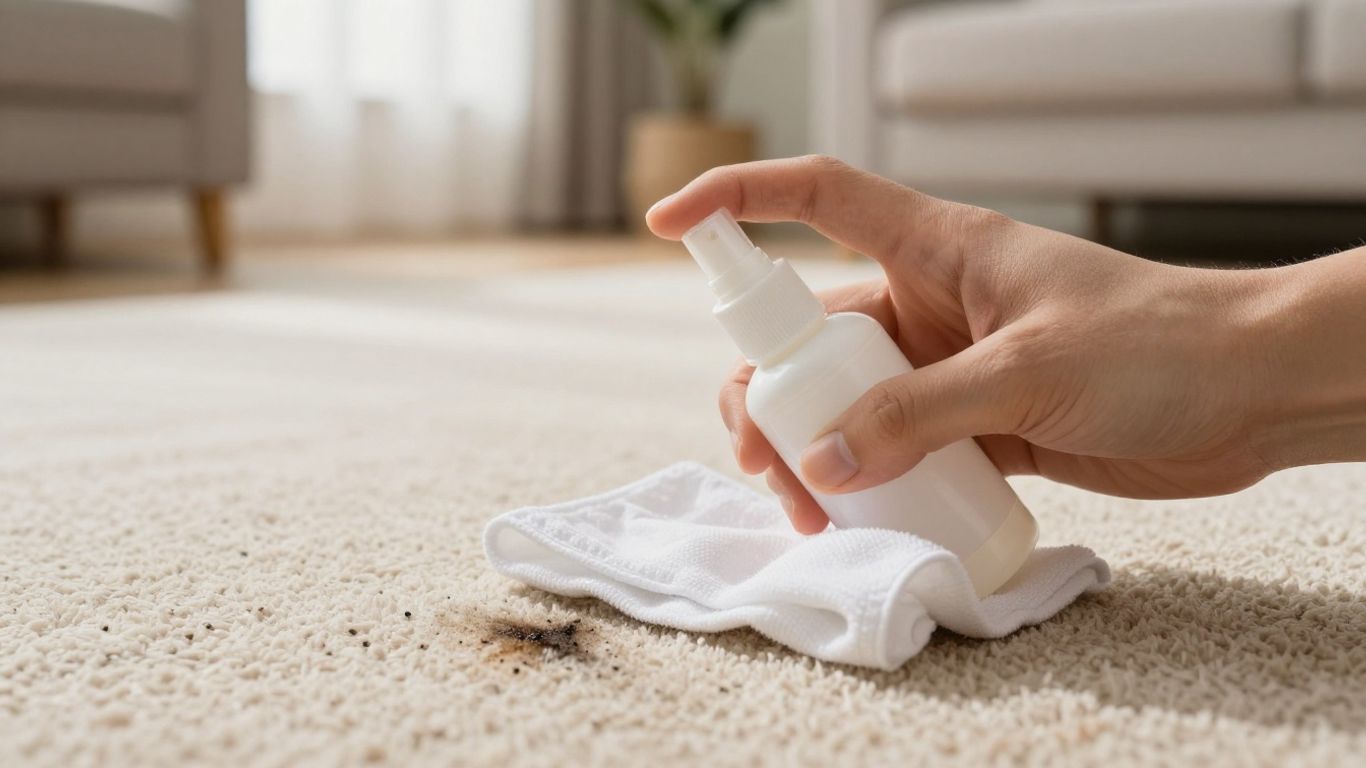
Ah, the joys of pet ownership. Pet stains are tricky because they often come with a side of odour that just loves to linger. The key here is to tackle both the stain and the smell. First, soak up as much of the liquid as you can with paper towels. Don’t rub! Then, you’ll want to use an enzymatic cleaner. These cleaners break down the organic matter that causes both the stain and the smell. You can find them at most pet stores or home goods shops. Just follow the product instructions – usually, you spray it on, let it sit for a while, and then blot it up. For lingering odours, a good sprinkle of baking soda left overnight before vacuuming can work wonders. It’s a simple trick, but it really helps absorb those stubborn smells.Coffee and Red Wine Mishaps
These are the classic party fouls of the carpet world. For coffee, a mix of cool water and a little bit of dish soap usually does the trick if you catch it fast. Blot it gently. Red wine is a bit more dramatic. The old trick of pouring salt on it to soak up the liquid is actually pretty effective, but you have to do it right away. After the salt has done its job, vacuum it up and then treat the remaining stain with a solution of equal parts white vinegar and water, or a specialised red wine stain remover. Always blot, never rub, and be patient. Sometimes these stains need a couple of tries.Grease, Oil, Gum, and Wax
These are the tougher ones, the kind that make you want to just cover them up. For grease and oil, you need something that can break down that oily residue. A good degreasing dish soap can work, applied directly to the stain and then blotted. For really stubborn spots, you might need a solvent-based cleaner designed for carpets. Gum and wax are a bit different. The best approach here is often the ‘freeze and scrape’ method. Put some ice in a plastic bag and hold it on the gum or wax until it hardens. Then, you can carefully scrape it off with a dull knife or spoon. For wax, you can also try the heat transfer method: place a brown paper bag or a clean cloth over the wax and gently iron over it on a low setting. The heat should melt the wax, and the paper or cloth will absorb it. Be careful not to scorch your carpet!Remember, no matter the stain, always test any cleaning solution on an inconspicuous area of your carpet first. You don’t want to trade one problem for another. Patience is also your best friend here; rushing the process can often make things worse.
Advanced Cleaning Methods
The Power of Vinegar and Baking Soda
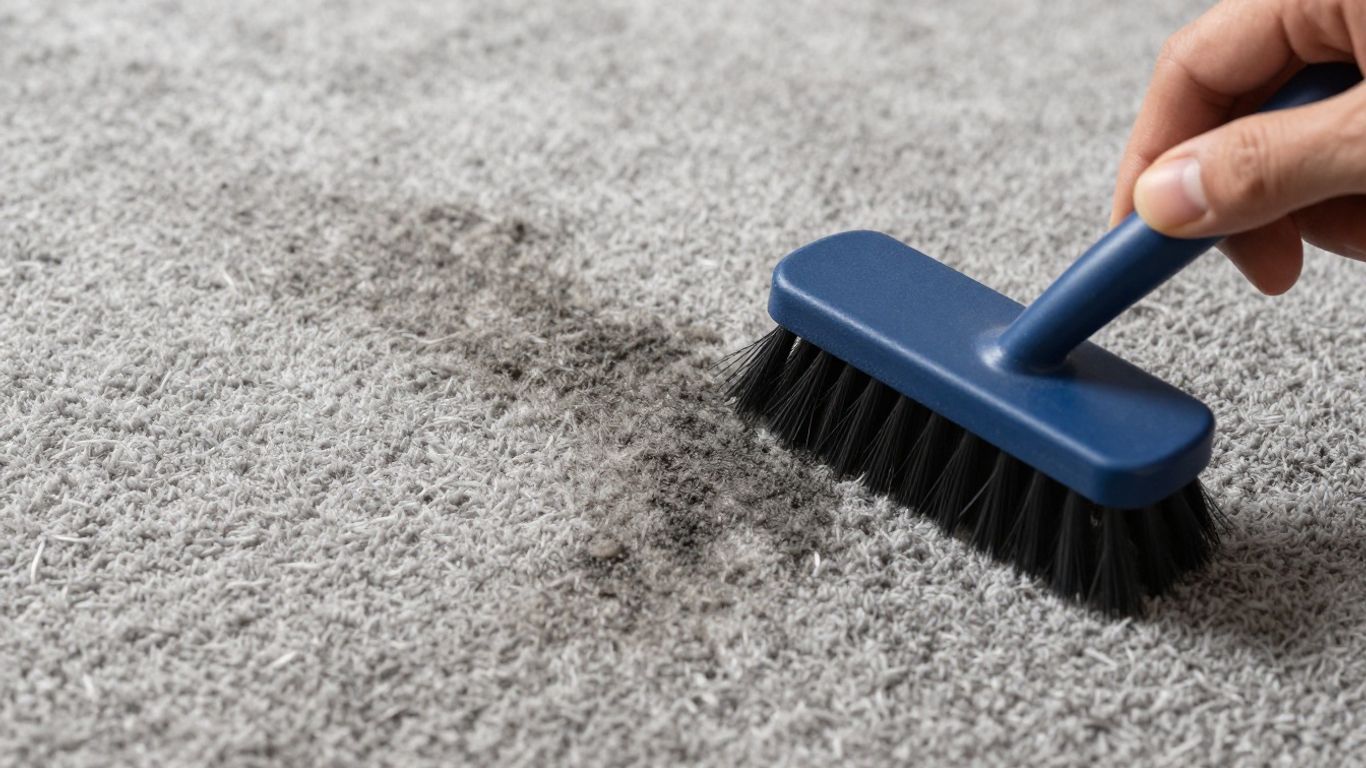
This classic combo is surprisingly effective for a lot of carpet issues. For general freshening and tackling mild odours, you can make a paste of baking soda and water, apply it to the stained area, let it dry completely, and then vacuum it up. For tougher spots, a spray made from equal parts white vinegar and water can work wonders. Spray it on, let it sit for a few minutes, and then blot it up. Vinegar helps break down many types of stains and neutralises odours. Just be sure to test this on an inconspicuous spot first, especially on darker carpets, as vinegar can sometimes affect dye.Using Heat Transfer Techniques
This method is particularly good for waxy or greasy stains. You’ll need a clean white cloth or paper towels, an iron, and a brown paper bag or thick cloth. Place the paper bag or cloth over the stain. Then, set your iron to a low heat setting (no steam!) and gently press it onto the paper over the stain. The heat should help transfer the wax or grease from the carpet fibres to the paper. Move the paper to a clean section and repeat until no more of the stain is transferring. It’s a bit of a slow process, but it can be very effective for these specific types of messes.Rinsing and Drying for Best Results
No matter what cleaning solution you use, proper rinsing and drying are super important. After you’ve treated a stain, you need to make sure you get all the cleaning residue out. Leftover soap can attract dirt, making the spot look dirty again quickly. Use a clean cloth dampened with plain water to blot the area thoroughly. Then, to dry, you can use dry towels, pressing down firmly to absorb as much moisture as possible. You can also place a fan near the area to speed up drying. Over-wetting can lead to browning or even mold, so getting the carpet as dry as possible is key. If you’re unsure about tackling a stain, remember that professional help is always an option for difficult carpet issues.Always remember to work from the outside of the stain inward to avoid spreading it further. Patience is your best friend when dealing with carpet stains; rushing the process can often make things worse.
Professional Carpet Cleaning Approaches
Sometimes, no matter how hard you try with the DIY stuff, a stain just won’t budge. That’s when it might be time to consider calling in the pros. Professional carpet cleaners have access to equipment and cleaning agents that are way more powerful than what you’d find at the local grocery store. They deal with the really tough jobs – the ones that have set in for ages or were made worse by a few too many attempts at home.Hot Water Extraction Explained
This is probably the most common method you’ll hear about, often called “steam cleaning.” It’s not actually steam, though. A machine injects hot water mixed with a cleaning solution deep into your carpet fibres. Then, a super strong vacuum immediately sucks up the water, dirt, and dissolved stain. It’s really good for getting out deep-down grime and older stains that have really bonded with the carpet. If you’ve got a stain that’s been there a while, this is often the best bet. Professionals use powerful machines that can really get the job done, unlike the smaller units you might rent.Enzyme Cleaners for Organic Stains
Got pet accidents? Or maybe some old food spills? Professionals often reach for enzyme cleaners for these kinds of organic messes. These cleaners work by breaking down the proteins in things like urine, vomit, or food. They don’t just mask the smell; they actually get rid of the odour-causing source. This is super important for pet stains because if the odour isn’t fully removed, pets might be tempted to go there again. It’s a different approach than just surface cleaning.The Role of Dry Solvents
For stains that are oily or greasy, like ink, nail polish, or even some food spills, dry solvents are the way to go. Unlike water-based cleaners, these solvents work to break down the oily components without soaking the carpet. This is important because too much moisture can sometimes damage the carpet backing or even lead to mold. Using dry solvents helps tackle these specific types of tough spots without adding unnecessary moisture to your carpet. It’s a more targeted approach for certain tricky stains.When DIY methods just aren’t cutting it, or if you’re dealing with a stain you’re not sure about, calling a professional is often the most effective route. They have the tools and knowledge to handle a wide range of carpet issues without causing further damage.