




Thinking about getting a stairlift but worried about your carpet? It’s a common question, and honestly, it’s not as complicated as you might think. Installing a stairlift on carpeted stairs is totally doable. We’ll break down how it’s done, what you need to watch out for, and why it’s usually best to let the pros handle it. Plus, we’ll touch on what happens if you decide to change your carpet later on. Let’s get into the nitty-gritty of stairlift and carpet compatibility.
Key Takeaways
Stairlifts can absolutely be installed on carpeted stairs; professionals handle this routinely.
Installers mount the stairlift rail directly to the stair treads, drilling through the carpet into the wood below.
Carpet thickness and type (like Berber or high-pile) are considered, with installers making adjustments for a secure fit.
It’s generally recommended to install new carpet *before* a stairlift to simplify the process and avoid later adjustments.
Professional installation is strongly advised to ensure safety, proper function, and to maintain the stairlift’s warranty.
Understanding Stairlift Installation on Carpeted Stairs
So, you’ve got carpet on your stairs and you’re thinking about getting a stairlift. It’s a common question, and honestly, it’s not as complicated as you might think. Installing a stairlift on carpeted stairs is totally doable. Professionals handle this routinely, and it’s usually not a big deal.
Can a Stair Lift Be Installed on Carpeted Stairs?
Absolutely. The idea that carpet is a barrier to stairlift installation is largely a myth. Professionals are well-equipped to handle various carpet types, from low-pile Berber to thicker, plusher options. The key is that the stairlift itself doesn’t attach to the carpet; it attaches directly to the stair treads underneath. The carpet is simply part of the surface the mounting hardware goes through. The stability and safety of the installation depend on securely fastening the lift’s brackets to the actual stairs.
How Professionals Install Stair Lifts on Carpet
When a professional installer comes to your home, they’ll first assess your staircase and carpet. They’ll determine the best placement for the stairlift’s rail and identify the optimal points for mounting. On installation day, they’ll position the rail and then drill pilot holes directly through the carpet and into the stair treads. These holes are for the screws that will secure the mounting brackets. The process is designed to be as minimally invasive as possible to your flooring. Most modern stairlifts are designed with mounting hardware that accounts for the slight compression that might occur with thicker carpets or padding. This ensures a secure fit without damaging the stair structure. You can find more details on how stairlifts are attached directly to stair treads.
Here’s a quick rundown of what happens:
Assessment: An installer checks your stairs and carpet type.
Mounting: Brackets are screwed into the stair treads, going through the carpet.
Testing: The lift is checked to ensure it operates smoothly and safely.
The actual mounting of the stairlift happens through the carpet, into the solid stair treads below. This means the carpet itself doesn’t bear the weight or stress of the lift. Professionals know how to make sure the fasteners are secure in the wood, not just the fabric.
Carpet Types and Stairlift Compatibility
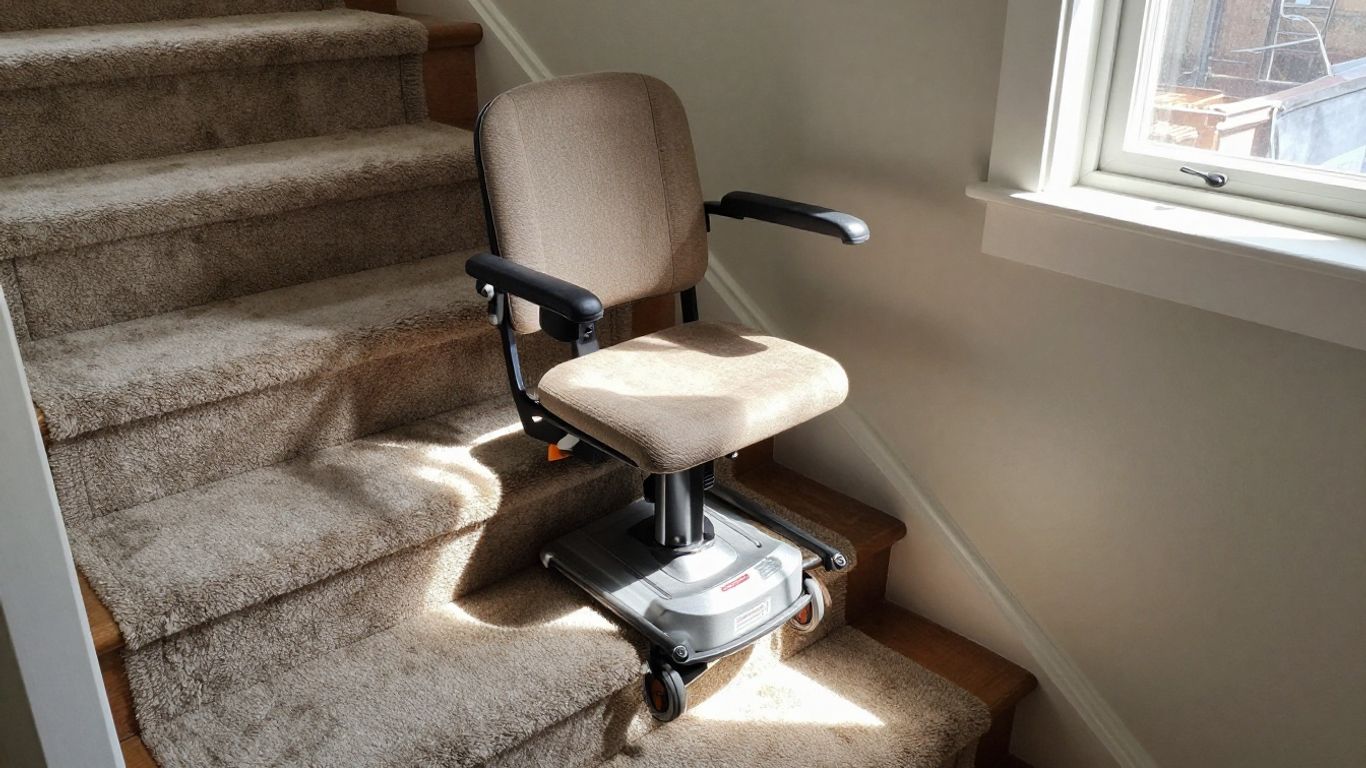
So, you’ve got carpet on your stairs and you’re wondering if a stairlift will work. The good news is, for the most part, it’s not a big hurdle. Stairlifts are designed to attach directly to the stair treads, which are the solid parts of your stairs, not the carpet itself. This means your flooring is more about how the installation goes and what to watch out for.
Berber Carpet and Stairlifts
Berber carpet is often a pretty good choice for stairlift installation. It’s known for its tight loops and low pile, making it quite firm and stable. This kind of carpet doesn’t tend to shift around much, which gives the installer a solid surface to work with when drilling the mounting brackets. You generally won’t have to worry about the carpet bunching up or causing problems during the setup.
High Pile Carpets and Stairlifts
If you have a plusher, higher pile carpet, it’s still usually fine. The installer will just need to be a bit more careful. Sometimes, they might need to use slightly longer screws to make sure they get a good, secure grip into the stair tread below. The main thing to consider here is that the carpet might get a little compressed where the stairlift’s mounting brackets are placed. This is normal and usually doesn’t affect how the lift works.
Thicker Carpets and Padding Compression
When you have really thick carpet, especially with a lot of padding underneath, you might notice some compression. Think of it like pressing down on a thick mattress – it gives a little. This is totally normal for stairlift installations on thick carpets. The mounting hardware is designed to handle this. However, it’s always a good idea to mention the thickness of your carpet and padding to the installer during the initial assessment. They can make sure they use the right hardware and techniques to get a secure fit without issues. The stability of the mounting is key, regardless of your carpet type.
It’s important to remember that the stairlift’s rail is secured to the actual stair treads. The carpet is just the surface the installer drills through. Professionals have the tools and experience to handle various carpet thicknesses and types to ensure a safe and sturdy installation.
Types of Stair Lifts That Work with Carpet
When you’re looking into stairlifts, you might wonder if your carpeted stairs will limit your options. The good news is that most stairlifts are designed to work just fine over carpet. The type of stairlift you need really depends more on the shape and layout of your stairs than the flooring itself.
Straight and Curved Stairlifts
For straightforward, single-flight staircases, a straight stairlift is the way to go. These are generally the most common and often the most budget-friendly option. They attach to a single rail that runs from the bottom to the top of the stairs. Professionals can easily install these on carpeted straight stairs, making sure the mounting brackets are securely fastened to the treads beneath the carpet.
If your stairs have turns, landings, or curves, you’ll need a curved stairlift. These are custom-built to follow the exact path of your staircase. Because they’re more complex, they require more mounting points along the rail. A typical straight stairlift might need around 4-6 fixing points, while a curved one could need anywhere from 8 to 12, depending on its length and design. Regardless of the number of brackets, installers are experienced in securing these through carpet to the stair treads.
Outdoor Stairlift Models
While not directly related to indoor carpet, it’s worth noting that outdoor stairlifts exist. These are built to withstand the elements and are typically installed on surfaces like concrete patios or wooden decks. They generally require a more rigid mounting surface than carpeted indoor stairs, so they aren’t usually a consideration for your home’s interior steps.
The key takeaway is that the stairlift attaches to the solid structure of the stairs, not the carpet. Installers are trained to drill through carpet and padding to achieve a secure connection to the stair treads. This means your carpet type is usually not a barrier to getting a stairlift.
Key Considerations for Carpeted Stair Lift Installation
So, you’ve got carpet on your stairs and you’re thinking about getting a stairlift. That’s totally doable! But before you jump in, there are a few things to think about to make sure everything goes smoothly. It’s not just about slapping the lift on; it’s about making sure it’s secure and works well with your existing flooring.
Carpet Thickness and Padding
Most stairlifts are designed to handle standard carpet thicknesses. The mounting hardware usually accounts for a little bit of compression, especially if you have thicker carpet or extra padding underneath. Professionals know how to manage this. They’ll drill right through the carpet and into the solid stair treads below. The carpet itself doesn’t hold the weight; the stairs do.
Thicker Carpets: Might compress slightly. Installers are used to this and have methods to ensure a secure fit.
Padding: Dense padding can also compress. This is usually not an issue for the lift’s stability.
Carpet Type: Low-pile carpets like Berber are generally straightforward. Higher-pile carpets might need slightly longer screws, but it’s still manageable.
The actual mounting of the stairlift happens by drilling fasteners directly into the stair treads. This means your carpet, no matter how thick or plush, doesn’t bear the structural load. Professionals ensure these fasteners are anchored securely into the wood, not just the fabric.
New Carpet vs. Existing Carpet
This is a big one, especially if you’re planning on re-carpeting soon. It’s usually best to get the stairlift installed after new carpet is down. If you install the lift first and then lay new carpet, you’ll likely have to remove the lift, lay the carpet, and then reinstall the lift. That’s extra work and potentially extra cost. Coordinating with both your carpet installers and your stairlift provider is a good idea. A quick chat between the teams can save you a lot of hassle down the road. If you’re curious about how different flooring types affect installation, you can find more details on how stairlifts are attached.
New Carpet: Install the lift after the new carpet is laid. This avoids a double installation.
Existing Carpet: Generally not an issue, as long as it’s not excessively worn or damaged.
Coordination: Talk to both installation teams to schedule work efficiently.
The Stairlift Installation Process on Carpet
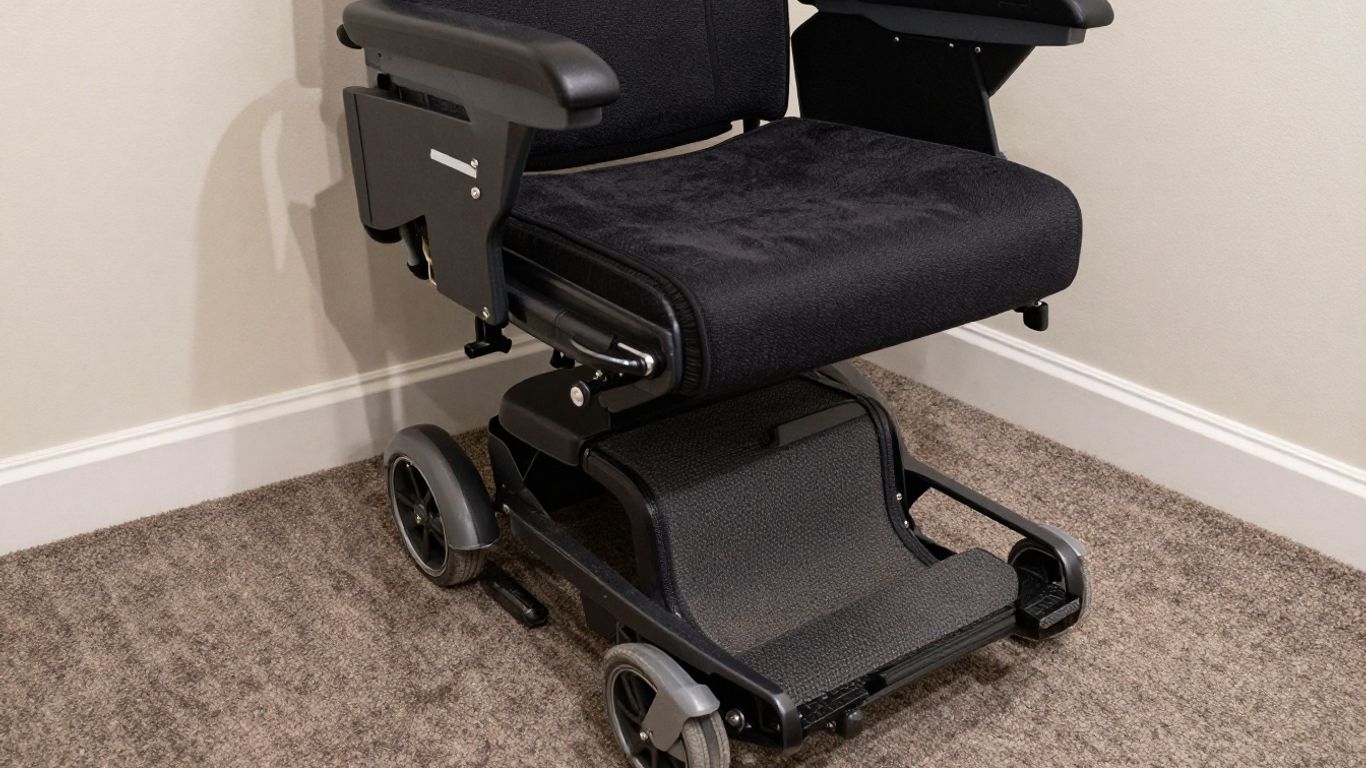
So, you’ve got carpet on your stairs and you’re thinking about getting a stairlift. It’s a totally valid question to wonder how that works, right? Will the carpet get all messed up? Will the lift be wobbly? The good news is, professionals do this all the time, and it’s usually not a big deal.
In-Home Assessment for Carpeted Stairs
Before anything gets bolted down, someone will come to your house. They’ll take a good look at your stairs, measure everything up, and check out your carpet. They need to know the type of carpet, how thick it is, and if there are any weird angles or obstructions, like a tricky banister. This initial visit is super important because it helps them figure out the best way to mount the lift and what kind of hardware they’ll need. It’s all about making sure the installation is safe and sound, no matter what kind of carpet you have. This assessment is a key part of the stairlift survey process.
Secure Mounting Through Carpet
When it’s time for the actual installation, the technicians will position the stairlift’s rail. Then, they’ll drill mounting holes directly into the stair treads, right through the carpet. Don’t worry, they’re not attaching it to the carpet itself; the screws go deep enough to anchor securely into the wood or concrete underneath. This method ensures the lift is stable and won’t budge. Even with thicker carpets, they have ways to make sure the mounting is solid. For example, they might use longer screws or ensure the carpet and padding are compressed just right. The goal is a firm connection that won’t damage your stairs’ structure.
System Testing and User Training
Once the rail and chair are all in place, the real work isn’t quite done. The installer will run through a few checks to make sure everything is working smoothly. This includes testing the chair’s movement, the footrest, and the safety features. They’ll also show you how to operate the stairlift, including how to use the call buttons and what to do if the power goes out. It’s important to pay attention during this part so you feel comfortable and confident using your new lift.
The actual mounting of the stairlift is always done directly into the stair treads themselves. The carpet is just the surface layer that the screws pass through to reach the solid material underneath, providing a secure anchor point without compromising the stair’s integrity.
DIY vs. Professional Installation: What’s Safer?
When it comes to getting a stairlift installed, especially on carpeted stairs, you’ve got two main paths: hire a pro or try to do it yourself. Honestly, while the DIY route might seem like a way to save some cash, it’s usually not the best idea for stairlifts. These things are pretty important for safety and independence, so getting them installed right is key.
Why Professional Installation is Recommended
Professionals bring a level of know-how that’s hard to match. They’ve done this a million times, so they know how to handle different carpet types, from thick, plush carpets to tighter weaves like Berber. They understand how to secure the mounting brackets properly through the carpet and into the stair treads without causing unnecessary damage. Plus, they’re trained to make sure the lift is perfectly aligned and stable, which is super important for smooth operation and preventing wear on both the lift and your carpet. They also know all the safety regulations and can get the job done efficiently. Choosing a professional company that also handles installation is highly recommended [fd5d]. This ensures everything is done correctly and safely.
Potential Risks of DIY Installation
Trying to install a stairlift yourself on carpeted stairs can lead to a few headaches. For starters, getting the mounting holes drilled in just the right spot can be tricky. If it’s even a little bit off, the lift might not run smoothly, or it could even become unstable. This can cause uneven wear on your carpet, creating a tripping hazard, which is the opposite of what you want. You might also end up with more visible holes or damage to your carpet than you expected. It’s a delicate balance, and professionals have the tools and experience to manage it. Furthermore, most stairlift manufacturers will void your warranty if the unit isn’t installed by a certified professional. That means if anything goes wrong down the line, you’re on your own to cover the repair costs. It’s a gamble that most people aren’t willing to take, especially when you’re investing in a device to improve your mobility and safety at home. Always check the warranty details before you even think about attempting a DIY installation [ae0f].
Precision matters when securing brackets through a soft surface like carpet. If alignment is off, the lift may become unstable or wear down your carpet unevenly, creating a tripping hazard.
What If You Want to Remove the Stair Lift Later?
So, you’ve had your stairlift for a while, and maybe your needs have changed, or you’re just ready for a refresh. Removing a stairlift from carpeted stairs isn’t usually a big ordeal, but there are a couple of things to keep in mind.
Addressing Screw Holes in Carpet
When the stairlift is taken off, you’ll probably notice some small screw holes where the mounting brackets were attached to the stair treads. Don’t panic! These are generally pretty minor. If you have a cut-pile carpet, a good fluffing with a stiff brush can often make these holes disappear. For thicker carpets, you might see a slight indentation where the lift’s weight pressed down on the padding over time. This is normal and usually not very noticeable.
Impact on Future Carpet Replacement
If you’re planning on getting new carpet down the line, most carpet installers can easily work around these minor marks. They’re used to dealing with the remnants of previous installations. In fact, the screws used are quite small, and often, once the lift is gone, the holes are barely visible, especially on carpeted stairs. If you’re really concerned about leaving any trace, it’s worth discussing removable rail options with your installer when you first get the lift. While less common for home use, it’s something to ask about if you anticipate frequent changes.
Here’s a quick rundown of what to expect:
Minor Screw Holes: Usually small and can be hidden with carpet fluffing.
Carpet Compression: A slight indentation from the lift’s weight, especially on thicker carpets.
Easy Repair: Most carpet installers can handle these minor imperfections.
Removing a stairlift is typically a straightforward process. Professionals who handle the installation can also manage the removal, ensuring it’s done correctly and safely, minimizing any impact on your carpet or stairs. It’s always a good idea to let experts handle the removal process to avoid any unexpected issues.
Wrapping Up: Stair Lifts and Your Carpeted Stairs
So, can you put a stair lift on carpet? The short answer is yes, absolutely. Don’t let your carpeted stairs stop you from getting the help you need to stay mobile in your home. Professionals know how to get these things installed securely, even with thick carpet or tricky weaves like Berber. They attach the lift right to the steps, not the carpet itself, so your flooring is usually fine. If you’re thinking about it, just chat with the installer about your carpet type beforehand. They can handle it. And if you ever need to remove it, the marks are usually pretty minor. It’s all about getting that independence back.
Frequently Asked Questions
Can a stair lift be put on carpeted stairs?
Yes, absolutely! Professional installers can securely attach stair lifts to carpeted stairs. They mount the lift’s track directly to the stair treads, which are usually made of wood, even if there’s carpet on top. The screws go through the carpet and into the wood, so your carpet itself isn’t holding the lift.
How do installers put a stair lift on carpet?
Installers use special brackets and screws to attach the stair lift’s track to the actual stairs. They’ll drill holes through the carpet and into the wood treads. For very thick carpets like Berber, they might trim the carpet fibers around the screw holes to make sure the screws go in smoothly and the carpet doesn’t get pulled.
Will thick carpet or padding cause problems for stair lift installation?
Thicker carpets and extra padding might get a little squished where the screws go in. However, most stair lift makers design their parts to handle this. Sometimes, installers might use slightly longer screws to make sure the lift is attached firmly through the carpet and into the stair tread.
Is it better to install a stair lift before or after new carpet?
It’s usually easier to install the stair lift *before* new carpet is laid. This way, the installers can attach the track directly to the stairs without having to work around thick new carpet. If you install the lift first and then new carpet, you might need to remove and then reinstall the lift later to make sure everything lines up perfectly.
What happens if I need to remove the stair lift later?
If you need to remove the stair lift down the road, it’s definitely possible. You’ll likely see a few small screw holes in the carpet and maybe a slight compressed spot where the padding was. These are usually easy to fix or cover up, especially if you plan on getting new carpet in the future.
Why is professional installation recommended for stair lifts on carpet?
Professional installers have the tools and experience to make sure the stair lift is mounted safely and securely, even on carpet. They understand how to drill through different carpet types and ensure the lift is properly anchored to the stair treads, which is crucial for safety and the lift’s longevity. Trying to do it yourself could lead to installation issues or even void the warranty.