




Carpets are pretty great, right? They make a room feel cozy and can really tie a space together. But let’s be real, they take a beating. Think spills, muddy shoes, pets, and just everyday life happening on them. Knowing how to look after carpet properly means it’ll stay looking good and feeling soft for a lot longer. This guide breaks down the simple steps to keep your floors in top shape, from daily upkeep to knowing when it’s time for a deeper clean.
Key Takeaways
- Understand your carpet’s material and construction to choose the right cleaning methods and products. Different fibres like nylon, wool, or polyester need different care.
- Frequent vacuuming is your best defence against dirt and wear. Pay extra attention to high-traffic areas, using proper techniques for your carpet pile type.
- Address spills and stains immediately by blotting, not rubbing. Use appropriate spot cleaners and act fast, especially with pet accidents.
- Schedule professional deep cleaning every 12-18 months to remove embedded dirt that vacuums can’t reach and to maintain your warranty.
- Protect high-traffic zones with mats and furniture coasters, and ensure your carpet dries completely after cleaning or spills to prevent moisture issues.
Understanding Your Carpet’s Needs
Carpets are more than just floor coverings; they add warmth, comfort, and style to our homes. But not all carpets are created equal, and knowing what yours is made of is the first step to keeping it looking good. Different fibres and construction styles require different care. Think of it like this: you wouldn’t treat a delicate silk scarf the same way you’d treat a sturdy denim jacket, right? Your carpet is no different.Identifying Carpet Fiber Types
Knowing your carpet’s fibre is super important. It dictates what cleaning products you can use and even how you should vacuum. Most carpets are made from synthetic fibres like nylon, polyester, or triexta, but some might be wool or even silk. You can often find this info on a tag attached to the carpet’s edge or in your home’s paperwork. If you’re really stuck, your carpet installer or the place you bought it from might have records. For instance, nylon is tough and bounces back well, but it can attract dirt, so regular vacuuming is a must. Wool, on the other hand, is a bit more sensitive, especially to moisture and certain cleaners.Recognising Carpet Construction Styles
Beyond the fibre, how the carpet is made, or its construction, also plays a big role. You’ve got cut pile, where the loops are cut open, creating a soft, plush surface. Then there’s loop pile, like in Berber carpets, where the yarn loops are left intact. And of course, there are combinations of both.- Cut Pile: Often feels softer and can show footprints more easily. Needs regular vacuuming, and sometimes a brush roll helps lift the fibres.
- Loop Pile: Generally more durable and resistant to matting. Be careful with vacuum cleaner beater bars on these, as they can snag the loops. Suction-only is often best.
- Cut-and-Loop: Offers a mix of textures and can hide dirt well.
Considering Specialty Materials
Some carpets are made from natural fibres like wool, jute, or sisal. These materials often require special care. Wool, for instance, is naturally resistant to stains and dirt but can be damaged by harsh chemicals or too much moisture. Always check the manufacturer’s recommendations for these types of carpets. Using the wrong cleaner on a natural fibre can lead to discolouration or permanent damage. It’s always better to be safe than sorry when it comes to these more unique floor coverings. If you’re unsure, sticking to gentle, pH-neutral cleaners is a good starting point, but professional advice is often best for specialty materials.Taking a moment to understand your carpet’s specific needs before you start cleaning or treating spills can save you a lot of trouble down the road. It’s about working with your carpet, not against it.Regular vacuuming is your best friend for keeping carpets clean, and knowing your carpet type helps you do it right. For cut pile carpets, vacuuming low-traffic areas weekly and high-traffic zones 2-3 times weekly is a good rule of thumb. Maintaining your carpet’s appearance is easier when you know what you’re dealing with.
Establishing a Regular Carpet Maintenance Routine
The Importance of Frequent Vacuuming
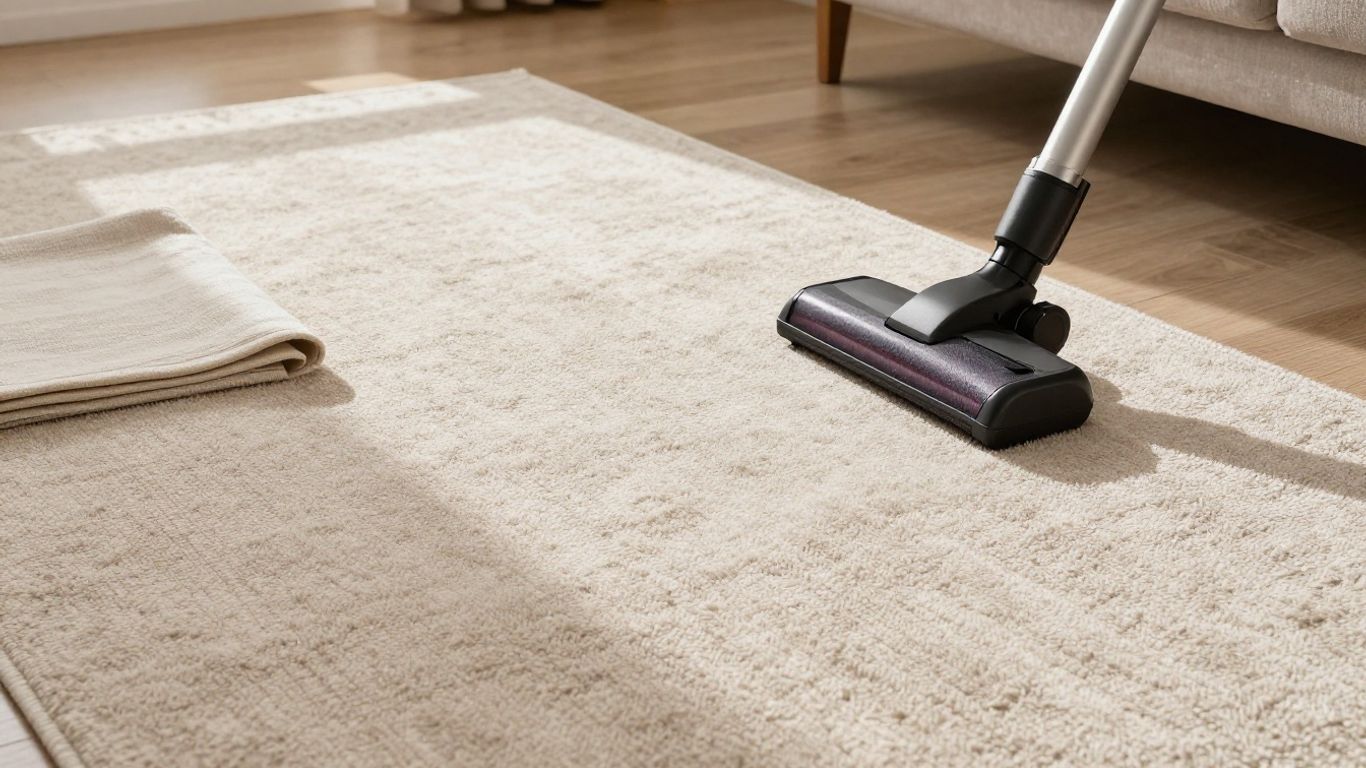
Vacuuming is your carpet’s best friend. Seriously, it’s the single most effective way to keep dirt from settling in and damaging the fibres. Those tiny bits of grit and grime you track in from outside? They act like sandpaper on your carpet, wearing it down over time. The more you vacuum, the less chance that abrasive stuff has to do its damage. Regular vacuuming removes these particles before they become a problem. It also helps keep your home’s air cleaner by picking up dust and allergens that get trapped in the carpet.Proper Vacuuming Techniques for Different Piles
Not all vacuums are created equal, and neither are carpet piles. You wouldn’t use the same brush on a delicate silk painting as you would on a rough canvas, right? The same applies to your carpet. Knowing your carpet’s construction helps you vacuum effectively.- Cut Pile Carpets (Plush, Saxony): These have fibres that are cut at the top. For these, use a vacuum with an adjustable height setting and a rotating brush (beater bar). Set the height so the brush agitates the fibres but doesn’t dig in too hard. Vacuuming these types 2-3 times a week in busy spots and at least weekly elsewhere is a good plan.
- Loop Pile Carpets (Berber): These have loops that are left intact. You need to be careful here. If your vacuum has a beater bar, turn it off or use a suction-only setting. A beater bar can snag and pull the loops, causing runs and damage. A gentler approach is best.
- Textured or Frieze Carpets: These have fibres that are twisted and cut, giving them a more random look. They hide dirt well, which can be a double-edged sword. You might not see the dirt, but it’s still there. Vacuum these thoroughly at least twice a week, and try going in different directions to really get the dirt out.
Daily Habits for Busy Households
Life gets hectic, I get it. But even a few quick habits can make a huge difference in keeping your carpet looking fresh. It’s all about being a little proactive.- Keep towels handy: Have a few old towels or rags near entryways for immediate blotting of any small spills. Quick action prevents stains from setting.
- Wipe paws: If you have pets, a quick wipe of their paws before they come inside can stop a lot of dirt at the door. A good doormat outside and another inside helps too.
- Shoes off policy: Encourage everyone to take their shoes off at the door. This is probably the single biggest thing you can do to reduce the amount of dirt and debris tracked onto your carpet. Consider a shoe rack or basket near the entrance.
- Quick sweeps: If you notice a small dry spill, like crumbs, a quick sweep or vacuum of just that spot can prevent it from getting ground in.
Establishing a routine doesn’t mean you have to spend hours cleaning every day. It’s about integrating simple, effective actions into your existing schedule. These small efforts add up, protecting your carpet and keeping your home looking its best with less stress.Remember, consistent care is key. By vacuuming regularly and adopting a few simple daily habits, you’ll significantly extend the life and beauty of your carpet. For more tips on keeping your floors in top shape, check out preventative routine tips.
Addressing Spills and Stains Promptly
Okay, so life happens, right? You’re having a great time, maybe watching a movie or having friends over, and then – splat! – something lands on your carpet. It’s easy to panic, but acting fast is the single most important thing you can do to save your carpet from a permanent mark.Immediate Blotting Techniques
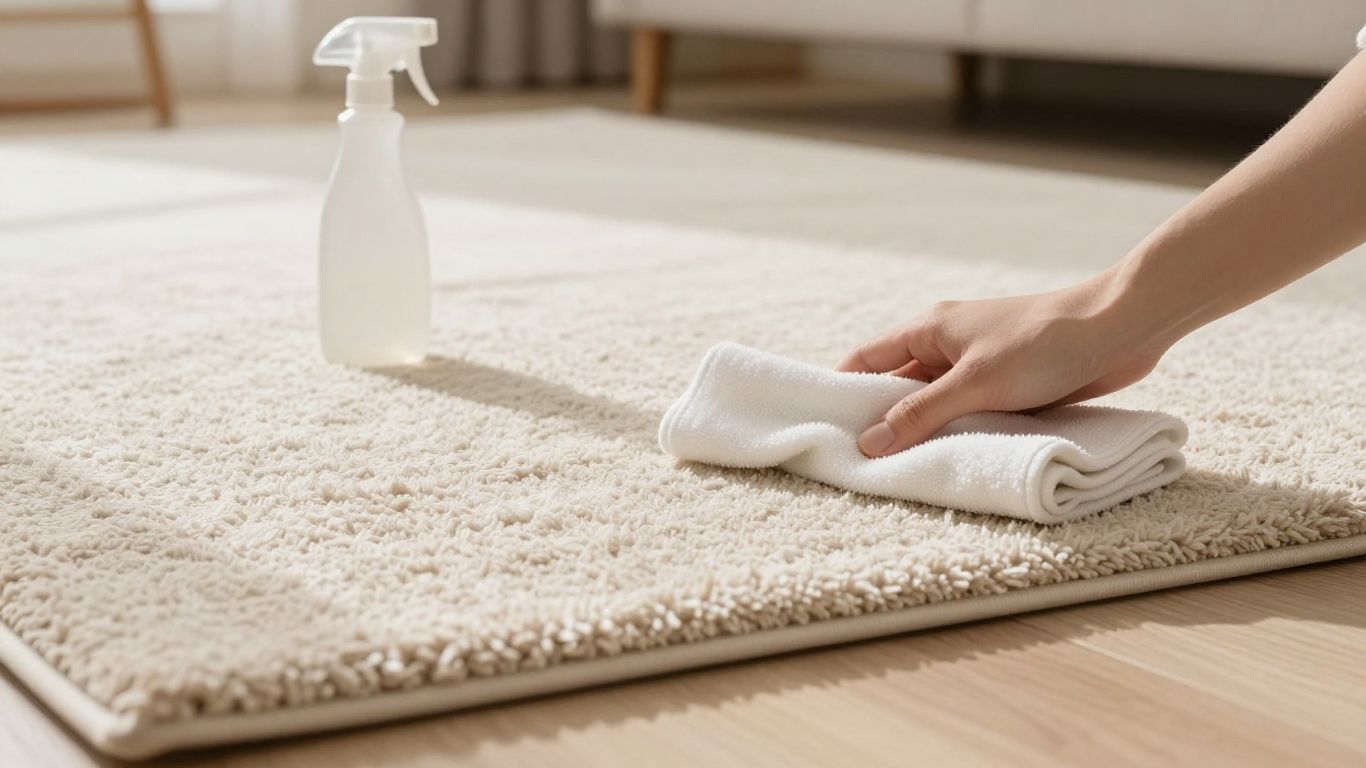
When a spill occurs, forget about rubbing. Seriously, don’t do it. Rubbing just pushes the mess deeper into the carpet fibres and can even damage them, making the spot look worse. Instead, grab a clean, white cloth or paper towels and start blotting. Press down firmly, working from the outside of the spill inward. This helps soak up as much of the liquid as possible without spreading it further. For most spills, plain cool or lukewarm water is your first line of defence. Hot water can sometimes set certain stains, especially those from things like eggs or blood, so it’s best to stick with cooler temperatures initially.Choosing the Right Spot Cleaners
Sometimes water isn’t enough. If you need a cleaner, always test it first in a hidden spot, like inside a closet or under a piece of furniture. You don’t want to discover it causes discolouration after you’ve treated the main spill. Wait about 24 hours after testing to make sure there are no weird reactions. For common spills, you might have luck with simple solutions:- Coffee, Tea, Juice, Soda: Try blotting with cool water, then use a mix of one tablespoon white vinegar and one tablespoon dish soap in two cups of water. Keep blotting until the stain lifts.
- Red Wine: Blot it up right away. Then, cover the spot with salt to soak up what’s left. After about 10 minutes, vacuum the salt and treat the area with club soda or that vinegar/dish soap mix.
- Grease and Oil: Sprinkle cornstarch or baking soda on it to absorb the oil. Let it sit for 15 minutes, vacuum it up, and then tackle any remaining mark with a dry-cleaning solvent or a dish soap solution.
- Mud: Let it dry completely first. Then, vacuum up the dried mud. If a stain remains, use a carpet cleaner that’s suitable for your carpet’s fibre type.
Managing Pet Accidents Effectively
Pet accidents are a whole other ballgame. While regular household cleaners might seem like a good idea, they often don’t fully get rid of the odour-causing proteins. This can unfortunately encourage your pet to revisit the same spot. For pet urine, your best bet is an enzymatic cleaner specifically made for pet stains. These cleaners break down those odour-causing molecules. Blot up as much of the accident as you can first, then follow the instructions on the enzymatic cleaner. If the accident has soaked through to the carpet padding or even the subfloor, you might need professional help to fully address the issue and prevent lingering smells or damage.Remember, even with the best intentions, some stains can be permanent. Things like bleach spots, sun fading, or stains that have chemically bonded to the fibres over a long time might not be fixable with home treatments. It’s always good to have realistic expectations.
Deep Cleaning and Professional Care
So, you’ve been keeping up with the vacuuming and tackling spills as they happen. That’s great! But sometimes, your carpet needs a bit more than just the everyday TLC. We’re talking about the deep-down grime that regular vacuuming just can’t reach. This is where professional cleaning comes into play.When to Schedule Professional Cleaning
It’s not just about when your carpet looks visibly dirty. There are several signs that it’s time to call in the pros:- Visible Stains and Odors: Stubborn spots that won’t budge with home treatments, or persistent smells (especially from pets) are clear indicators.
- Allergy Symptoms: If household members are experiencing increased allergies or respiratory issues, deep cleaning can remove dust mites, pet dander, and other allergens embedded in the fibres.
- Heavy Foot Traffic: Areas that see a lot of action, like hallways and living rooms, accumulate more dirt and wear faster. Professional cleaning can help restore them.
- Warranty Requirements: Many carpet manufacturers require professional cleaning at set intervals to keep your warranty valid. It’s worth checking those terms!
Professional cleaning goes beyond surface-level tidiness. It tackles the deeply embedded soils, allergens, and microscopic irritants that impact both your carpet’s lifespan and your home’s air quality. Think of it as a reset button for your flooring.
Understanding Professional Cleaning Methods
When you hire a professional, they usually have a few tricks up their sleeve. The most common and effective method is hot water extraction, often called steam cleaning. Here’s a quick rundown:- Hot Water Extraction: This involves injecting hot water mixed with a cleaning solution deep into the carpet fibres under pressure. Powerful vacuums then extract the water, dirt, and grime. This method is great for removing tough stains and embedded soil. Professionals can achieve soil removal rates of over 95% with this technique.
- Dry Cleaning: For carpets that are sensitive to moisture or need a quick dry time, some professionals use dry cleaning methods. These involve special cleaning compounds and minimal water.
- Bonnet Cleaning: This is more common in commercial settings and uses a rotating pad to absorb surface dirt. It’s good for maintenance but not as thorough as extraction.
The Role of Deep Cleaning in Longevity
Think of deep cleaning as an investment in your carpet’s future. Regular vacuuming removes about 20% of the dirt that gets tracked in, but the other 80%? That stuff grinds away at your carpet fibres every time you walk on it, causing premature wear. Professional cleaning can remove that abrasive grit and grime, significantly extending your carpet’s life. In fact, regular professional cleanings can help your carpet last 50-75% longer by reducing this damaging soil load. It’s not just about making it look good; it’s about preserving your investment and keeping your home healthier. If you’re dealing with tough stains or just want to give your carpets a serious refresh, consider reaching out to a professional service.Protecting Your Carpet Investment
Managing High-Traffic Area Wear
Certain spots in your home get way more foot traffic than others, like hallways, entryways, and the path from the sofa to the TV. These areas tend to wear down faster. To combat this, try placing durable mats or rugs in these zones. This is especially helpful at entrances, where mats can trap a lot of the dirt and grit that gets tracked in. You can reduce tracked-in dirt by up to 80% with a good matting system. Also, consider rotating your furniture every few months. Even shifting a sofa a few inches can change the wear pattern and prevent deep grooves from forming. If you’re choosing new carpet, patterned or multi-toned designs are great for hiding everyday wear and tear.Using Furniture Coasters and Pads
Heavy furniture can leave permanent dents in your carpet, especially softer piles. Using furniture coasters or pads under the legs of sofas, chairs, and tables is a simple fix. These distribute the weight more evenly, preventing the fibres from being crushed. If you already have dents, try placing an ice cube in the dent and letting it melt. Then, gently fluff the fibres with your fingers or a spoon. For more serious indentations, especially in high-traffic areas, you might need to consider professional carpet repair.Maintaining Optimal Indoor Humidity Levels
Believe it or not, the humidity in your home can affect your carpet. Very dry air can make carpet fibres brittle, while overly humid conditions can encourage mold and mildew growth, especially if the carpet gets wet. Aim for a relative humidity level between 30% and 50%. Using a humidifier in dry months and a dehumidifier in damp ones can help keep your carpet fibres in good shape and prevent issues like static electricity or musty smells. This consistent environment also helps prevent carpet from rippling or buckling, which can happen with significant changes in moisture.Ensuring Proper Carpet Drying
So, you’ve gone through the whole cleaning process, maybe even tackled a spill. Great job! But here’s the thing that often gets overlooked: making sure your carpet dries out properly. It might feel dry on top, but moisture can hang out deeper down, in the padding, and that’s where problems start. We’re talking about potential odours or even damage that you really don’t want.Speeding Up Drying After Cleaning
After a good cleaning, especially a deep one, you want your carpet to dry as quickly as possible. This helps prevent that damp, musty smell and gets your room back to normal faster. Here are some simple things you can do:- Open up windows: If the weather outside is nice and not too humid, cracking open windows lets fresh air circulate. This is a big help.
- Use fans: Turn on ceiling fans, floor fans, or even your HVAC system’s fan. Moving air is key to evaporation.
- Consider a dehumidifier: If you live in a humid area or it’s raining outside, a dehumidifier can pull moisture out of the air, speeding things up.
- Avoid heavy furniture: Try not to put heavy furniture back in place until the carpet is completely dry. If you must, use protective pads under the legs.
Drying Wet Carpet After Spills or Leaks
Dealing with a spill is one thing, but if your carpet gets wet from a leak or a burst pipe, it’s a bit more serious. You need to act fast.- Find the source: Figure out where the water is coming from and stop it.
- Remove excess water: Use towels to soak up as much water as you can. If it’s a big leak, a wet/dry vacuum can be a lifesaver.
- Boost air circulation: Just like after cleaning, open windows and use fans to help dry the area.
- Check for lingering moisture: Feel the carpet and padding. If it’s still damp deep down, you might need professional help.
If water has soaked into the carpet padding or the subfloor beneath it, it’s really important to get professional help quickly. Trapped moisture in these layers can lead to mold and mildew, which are not good for your health or your home.
Preventing Moisture-Related Issues
The goal is always to avoid letting moisture linger. Over-wetting during cleaning or not drying spills properly can lead to a few common problems:- Mold and mildew: These thrive in damp environments and can cause health issues and damage your home.
- Odor: Damp carpets can develop unpleasant smells that are hard to get rid of.
- Carpet backing damage: The adhesives and backing material can break down if they stay wet for too long.
Maintaining Your Carpet Warranty
So, you’ve got this nice carpet, and it came with a warranty. That’s great! But warranties aren’t just free passes for life; they have rules. Following these rules is key to making sure your warranty is actually useful if something goes wrong. It’s like having insurance – you pay for it, but you have to do your part to keep it valid.Understanding Warranty Requirements
Most carpet warranties have specific demands about how you should care for your carpet. It’s not enough to just vacuum once in a while. Manufacturers often require professional cleaning at certain intervals, usually every 12 to 24 months. They might also specify which cleaning methods and products are acceptable. Using the wrong stuff, like a harsh household cleaner on a stain-resistant carpet, could be grounds for them to deny a claim later on. It’s really important to read the fine print that came with your carpet. You can usually find details about approved cleaners on the manufacturer’s website or in the warranty booklet. For example, some warranties only allow cleaners approved by the Carpet and Rug Institute (CRI).Documenting Your Cleaning History
This is a big one. If you ever need to make a claim, the manufacturer will likely want proof that you’ve been taking care of the carpet according to their guidelines. This means keeping records. Save your receipts from professional cleanings. If you do any cleaning yourself, note down the date, what you did, and what products you used. A simple logbook or a folder for receipts works well. This documentation shows you’ve been a responsible carpet owner. Without it, even if you’ve followed all the rules, they might say you haven’t met the warranty’s terms.Avoiding Actions That Void Coverage
There are a few common mistakes that can quickly invalidate your carpet’s warranty. One is neglecting spills. If you let a spill sit and set, and it becomes a permanent stain, the manufacturer might point to your inaction as the reason for the damage. Another is using improper cleaning agents or methods. For instance, aggressive scrubbing can damage fibres and is often frowned upon. Also, be mindful of extreme humidity levels, as excessive moisture can lead to issues like mold or mildew, which might not be covered. Always err on the side of caution and stick to the manufacturer’s recommendations. If you’re unsure about a cleaning product or method, it’s better to skip it or contact the manufacturer directly than to risk voiding your warranty.Keeping your carpet in good shape isn’t just about looks; it’s about protecting your investment. A little bit of effort in following the warranty guidelines can save you a lot of money and hassle down the road if a problem arises.