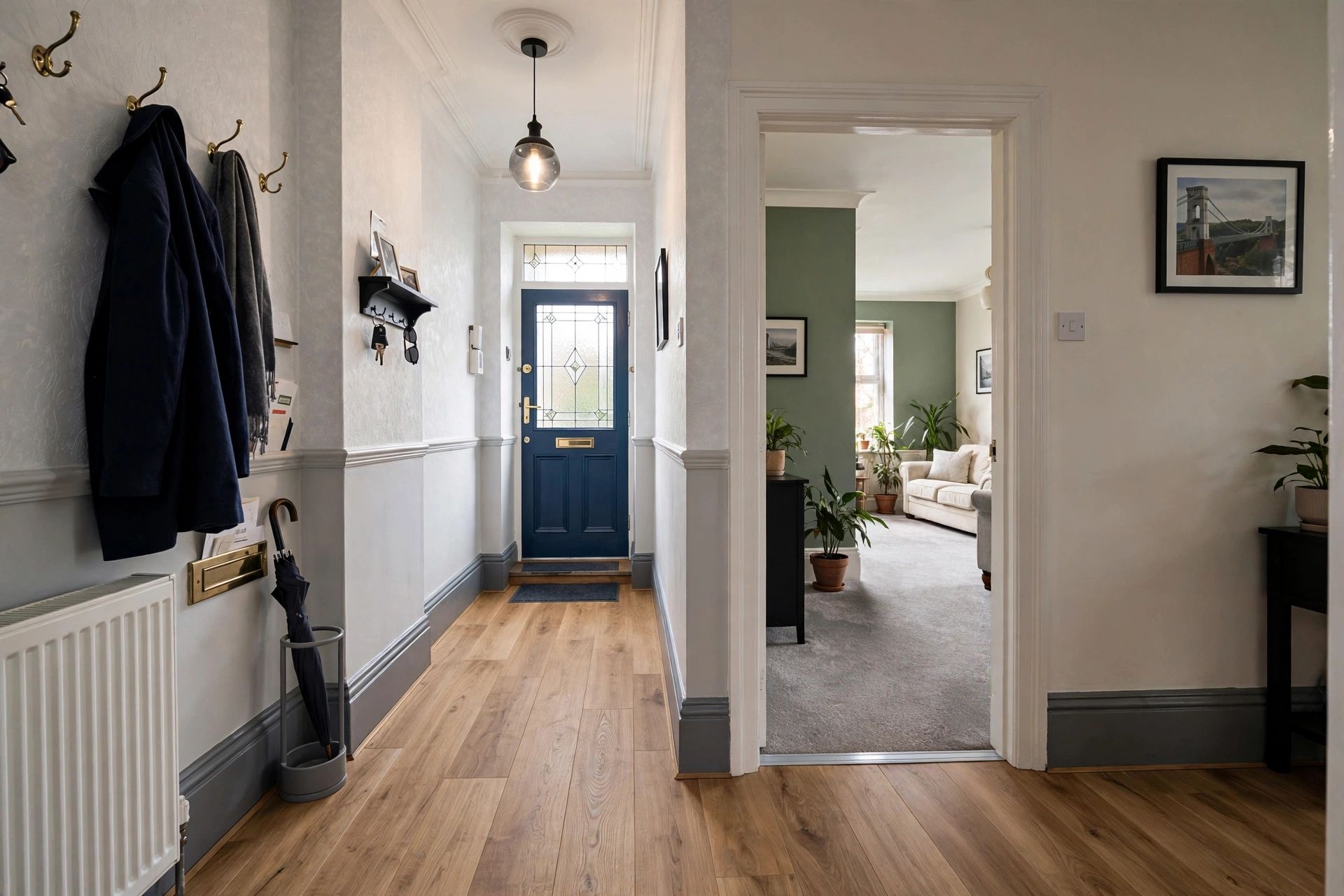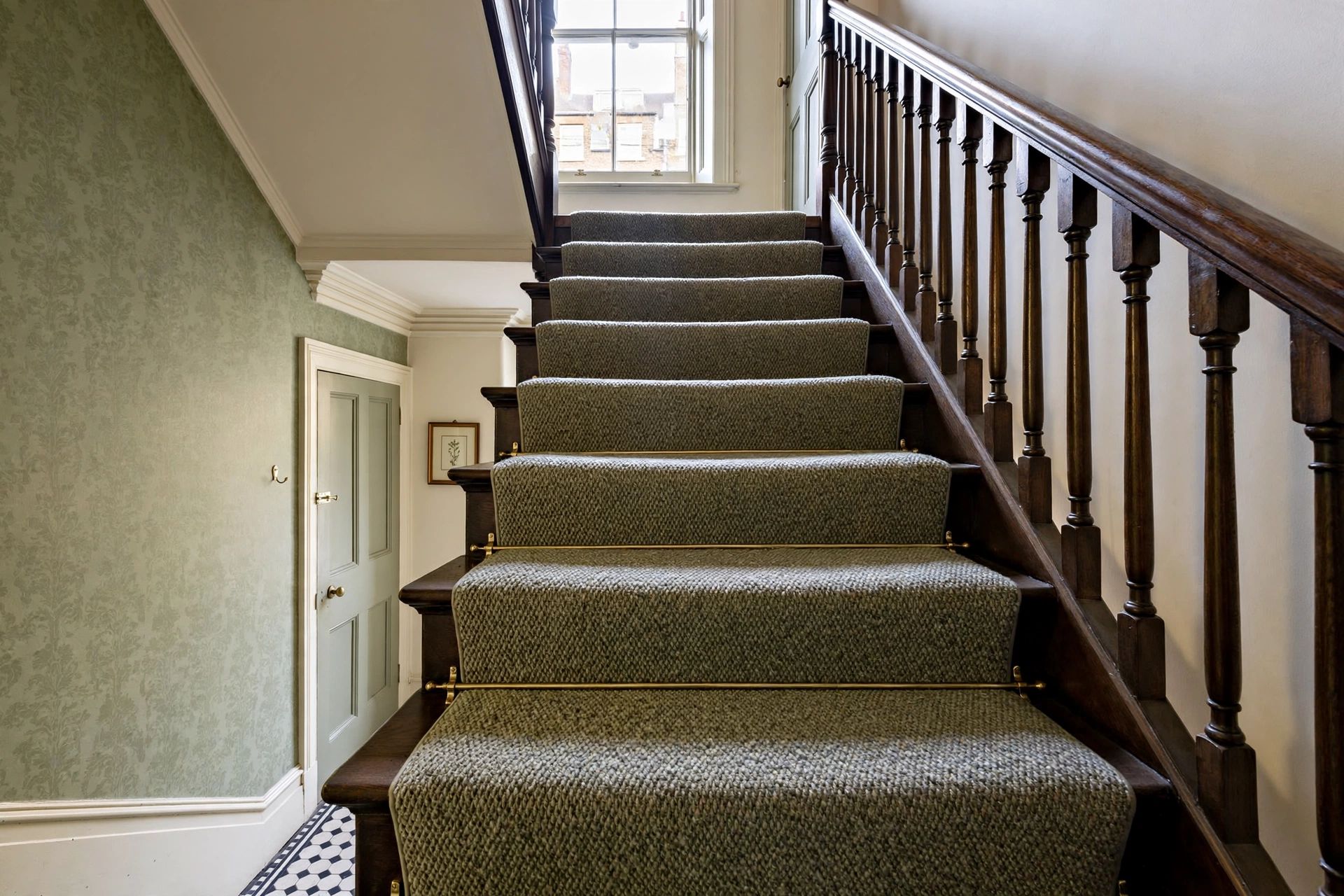



How To Choose The Right Flooring For Every Room
Picking out flooring for your home can feel like a big decision, right? It’s not just about what looks good; it’s about how the space will feel and function day-to-day. From the kitchen where spills happen to the bedroom where you want to relax, each room has its own needs. This guide will walk you through how to choose the right flooring, making sure your home is both stylish and practical.
Key Takeaways
Choosing the right flooring is key for making your home look good and work well.
Neutral flooring colors are timeless and go with many design styles.
Light colors make small rooms seem bigger.
Warm neutral tones are now popular in design, beating cool grays.
Choosing flooring that matches your decor keeps your design consistent.
Understanding Room-Specific Flooring Needs
When you’re picking out flooring, it’s easy to get caught up in just how it looks. But honestly, what works in your bedroom might be a total mess in the kitchen. Different rooms in your house have really different jobs, and the floor needs to keep up. Think about it: the kitchen sees spills, the bathroom deals with constant moisture, and the living room is basically a highway for feet. So, we’ve got to break it down room by room.
Kitchens: Balancing Durability and Aesthetics
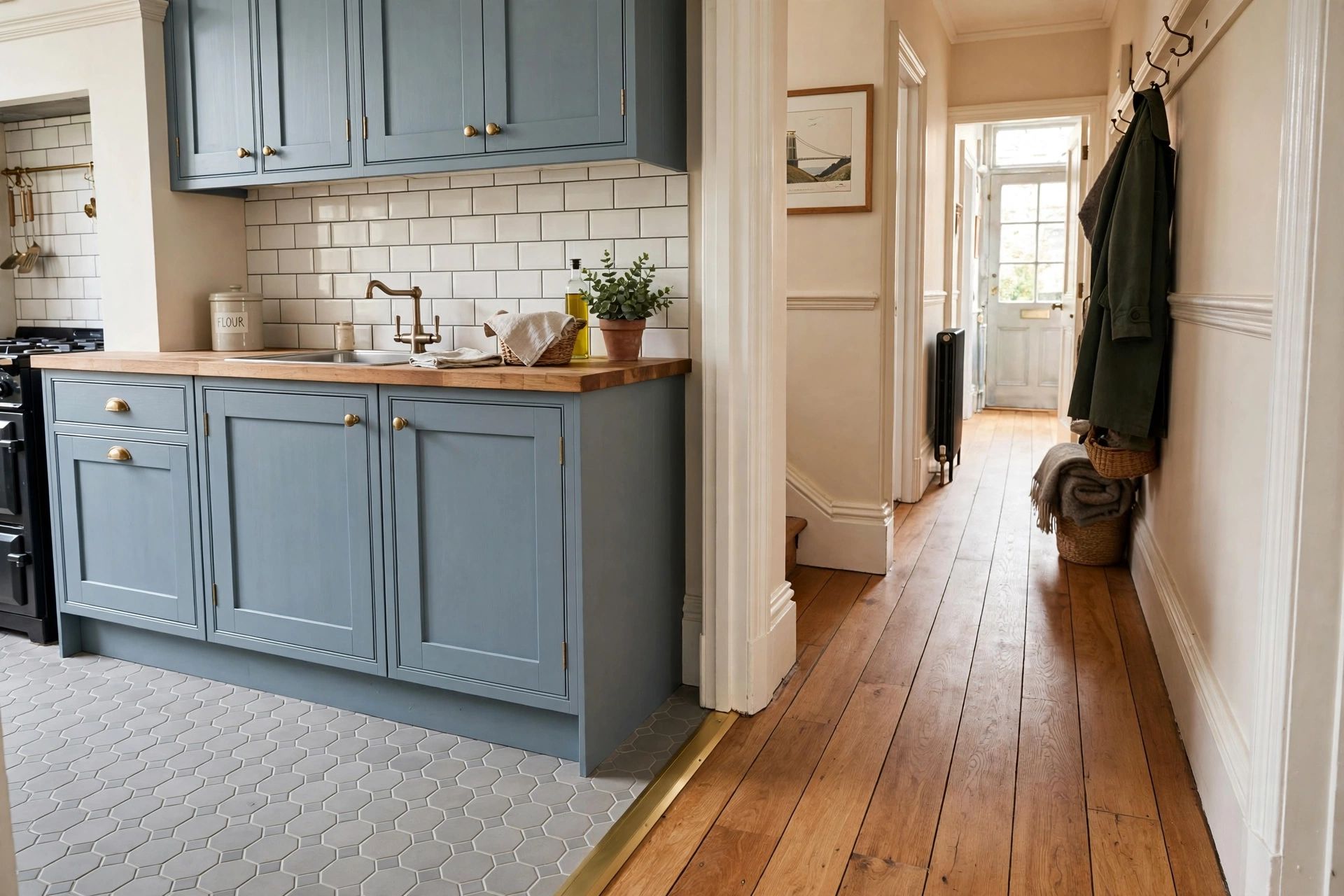
Kitchen floors take a beating. You’ve got dropped utensils, spilled drinks, and all sorts of foot traffic. So, durability is key here. But you also want it to look good, right? Nobody wants a drab kitchen. The trick is finding materials that can handle the mess but still add to your home’s style. Materials like porcelain tile or luxury vinyl plank (LVP) are great because they resist water and stains really well. They’re tough enough for daily life but can come in designs that mimic wood or stone, giving you that aesthetic appeal without the fuss. It’s all about finding that sweet spot between looking nice and being able to handle a bit of chaos. You can find some really good options for kitchen flooring that fit the bill.
Bathrooms: Prioritizing Waterproofing and Safety
Bathrooms are a whole different ballgame, mostly because of water. You need flooring that can handle splashes, steam, and maybe even a leaky faucet without warping or getting damaged. Waterproofing is non-negotiable. Beyond that, safety is a big deal. Nobody wants to slip and fall, especially on a wet floor. So, look for materials with some texture or a matte finish to provide better grip. Ceramic or porcelain tiles are popular for a reason – they’re waterproof and come in tons of styles. Waterproof vinyl is another solid choice, often offering more comfort underfoot and good slip resistance. It’s really about making sure the floor can handle the moisture and keep everyone safe.
Living Areas: Comfort Meets High Traffic Demands
Your living room or family room is where life happens. It’s where you relax, entertain guests, and probably have the most foot traffic. This means you need a floor that’s both comfortable and tough. Hardwood floors can look amazing and add value, but they can scratch. Carpet feels cozy and is great for muffling sound, but it can be harder to clean if you have pets or kids. Luxury vinyl plank (LVP) or engineered wood are often good compromises. They offer a good balance of durability, comfort, and style, and can handle the daily wear and tear without looking worn out too quickly. It’s about creating a space that feels welcoming but can also stand up to everyday use.
Bedrooms: Creating a Cozy and Quiet Retreat
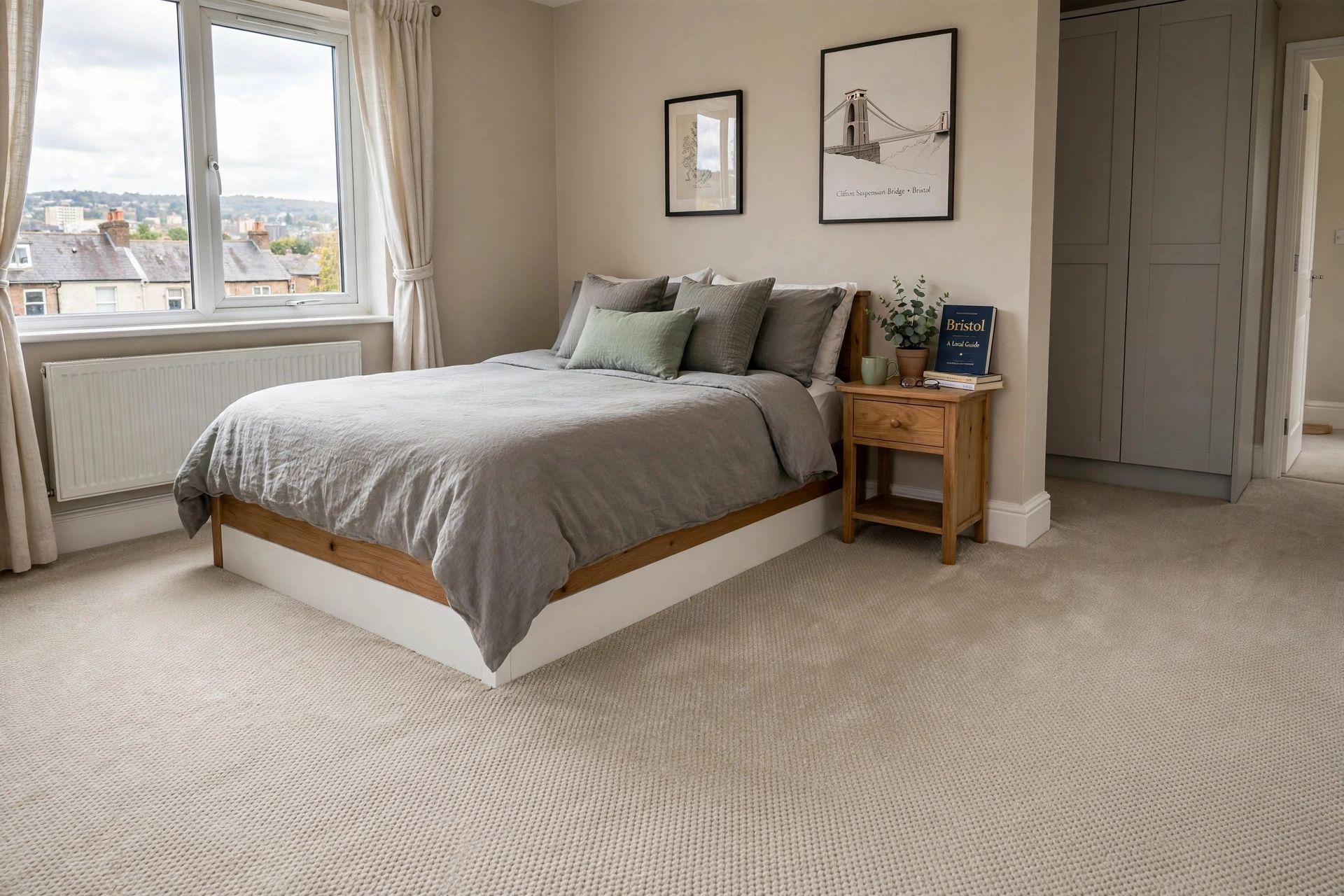
Bedrooms are your sanctuary, so comfort and quiet are usually the top priorities. You want a floor that feels nice under bare feet and helps absorb sound, especially if you live in a multi-story home. Carpet is a classic choice here because it’s soft, warm, and really good at quieting things down. But if carpet isn’t your thing, engineered wood or laminate can also work well. They offer a warmer feel than tile or stone and can be paired with area rugs for extra softness and sound absorption. The goal is to make your bedroom feel like a peaceful escape from the rest of the world. Choosing the right flooring can really make a difference in how cozy your space feels.
Key Factors for How to Choose the Right Flooring
Picking out new floors can feel like a big decision, and honestly, it is. It’s not just about what looks good right now; it’s about how the floor will hold up over time and how it fits into your life. Thinking about a few main things can really help you make a choice you won’t regret.
Durability and Functionality for Each Space
Every room in your house gets used differently, right? That means the floor needs to handle different kinds of wear and tear. High-traffic spots, like hallways or family rooms, need something tough that won’t scratch or dent easily. Kitchens and bathrooms, on the other hand, need floors that can handle spills and moisture without getting damaged. It’s like choosing the right tool for the job – you wouldn’t use a delicate teacup to hammer a nail. Picking a floor that matches how you actually use a room will make it last much longer.
Considering Resale Value and Investment
When you’re thinking about flooring, it’s smart to consider how it might affect your home’s value down the road. Some materials just make a house more appealing to potential buyers. Hardwood floors, for example, are consistently popular and often seen as a sign of quality. A well-chosen floor can make a good impression and signal that the home has been well-maintained. It’s an investment that can pay off if you decide to sell.
Enhancing Comfort and Home Safety
How a floor feels under your feet makes a big difference in how comfortable your home feels. Soft carpet can make a bedroom feel extra cozy, while a smooth, cool tile might be nice in a bathroom. But comfort isn’t the only thing. Safety is important too. Some floors can be slippery when wet, which is a concern in bathrooms or kitchens. Others might be too hard if someone falls. Thinking about who lives in your home – kids, older adults, or pets – can help you pick something that’s both nice to walk on and safe for everyone.
Acoustics and Ease of Maintenance
Ever notice how some rooms echo more than others? That’s acoustics. Certain flooring materials, like carpet, can help absorb sound, making your home quieter, especially in multi-level houses. Hardwood or tile might make sounds bounce around more, so you might need rugs to help with that. Then there’s the upkeep. Are you someone who likes to spend time cleaning and polishing, or do you prefer something you can just sweep or mop quickly? Some floors, like solid hardwood, can be refinished if they get scratched, while others might need special cleaners or sealants. Being honest about how much maintenance you’re willing to do is key.
The best flooring choice is one that works with your daily life, looks good, and lasts for years. It’s about finding that sweet spot between what you love visually and what makes practical sense for your home and family. Don’t just pick what’s trendy; pick what’s right for you.
Here’s a quick look at how different rooms might influence your choice:
Kitchens: Need durability, water resistance, and easy cleaning.
Bathrooms: Waterproofing and slip resistance are top priorities.
Living Areas: Balance comfort with the ability to handle heavy foot traffic.
Bedrooms: Focus on creating a warm, quiet, and comfortable atmosphere.
When you’re looking at options, remember to check out different flooring materials to see what fits your needs best. Also, if you live in a home with multiple levels, consider how sound travels between floors when making your selection, as discussed in guides on multi-level home flooring.
Selecting Flooring Based on Color and Mood
Picking out flooring isn’t just about how it looks, it’s also about how it makes you feel in a space. The color and finish you choose can totally change the vibe of a room, making it feel bigger, cozier, or more energetic. It’s like painting with your feet, but way more permanent.
Setting the Mood: Light vs. Dark Tones
Think about how you want a room to feel. Light colors, like pale grays or soft beiges, can make a smaller room feel more open and airy. They bounce light around, which is great for spaces that don’t get a lot of natural sun. On the flip side, darker tones, such as deep walnut or rich espresso, tend to ground a space. They can make a large, echoey room feel more intimate and warm. It’s a classic trick: light colors expand, dark colors contract.
Matching Undertones with Existing Decor
This is where things get a little nuanced. Most colors have undertones – think of them as the subtle hints of other colors mixed in. For example, a beige might have a yellow undertone, or a gray might have a blue or green one. You want your flooring’s undertones to play nicely with your furniture, wall colors, and even your trim. If you have warm-toned furniture (like honey oak or cream), flooring with warm undertones will likely look best. Cool-toned decor (think crisp whites or cool grays) pairs well with flooring that has cool undertones. If you’re unsure, neutral floors like natural oak or greige are super flexible and can adapt as your decor changes over time. It’s all about creating harmony, not a clash.
Practicality: Color Choices for Lifestyle
Let’s be real, life happens. If you have kids, pets, or just a generally busy household, you’ll want to think about how well a color hides everyday messes. Light colors, especially those with busy patterns, can be forgiving with dirt and pet hair. However, very light solid colors might show every speck. Dark floors, while looking sophisticated, can be magnets for dust and can show scratches or scuffs more easily. Mid-toned floors often hit the sweet spot, hiding a lot of the daily wear and tear without looking too busy. It’s a trade-off between the look you want and the reality of your daily life.
Color Tone | Pros | Cons |
|---|---|---|
Light | Makes rooms feel bigger, brightens space | Shows dirt/pet hair easily |
Mid-tone | Hides dirt and wear well | Can sometimes feel less dramatic |
Dark | Adds warmth and sophistication | Highlights dust, scratches, and footprints |
The Impact of Finish on Appearance and Care
Beyond color, the finish of your flooring plays a big role. A high-gloss finish can make a room feel more modern and reflect a lot of light, but it also shows every fingerprint, smudge, and scratch. Matte or satin finishes tend to look more natural and are much better at hiding minor imperfections and dust. For most homes, especially those with active households, a matte or satin finish is usually the more practical choice. It gives you that stylish look without the constant need for deep cleaning. Remember, the finish affects not just how it looks, but how much work you’ll have to do to keep it looking good.
Choosing flooring color and finish is a balancing act. You’re aiming for a look that you love, a mood that suits the room, and a practicality that fits your lifestyle. Don’t be afraid to get samples and see how they look in your actual home, under your own lights, at different times of day. What looks good in a store might surprise you at home.
Aligning Flooring With Your Interior Design Style
Picking out new floors can feel like a big decision, and honestly, it is! It’s not just about what looks good right now, but how it fits with your whole home’s vibe. Think of your flooring as the foundation for your interior design. Getting this right means the rest of your decorating choices will fall into place much more easily.
Identifying Your Personal Aesthetic Preferences
Before you even start looking at samples, take a moment to figure out what you actually like. What colors make you feel good? What kind of textures do you find appealing? Look around your current home – what pieces of furniture or decor do you love the most? Are you drawn to clean lines and minimalist setups, or do you prefer something more traditional and cozy? Sometimes, just browsing through magazines or online inspiration boards can help you spot patterns in your preferences. It’s about understanding what makes you feel at home.
Popular Design Styles and Flooring Pairings
Different design styles really call for different types of flooring. For instance, a modern home often looks great with sleek, wide-plank hardwood or large-format tiles. These materials keep the look clean and uncluttered. On the other hand, a farmhouse or rustic style might lean towards distressed wood finishes or natural stone-look tiles that add character and warmth. Traditional interiors often benefit from classic hardwood in warmer tones or even patterned tiles that add a touch of elegance. It’s about finding that sweet spot where the floor complements the overall theme.
Design Style | Recommended Flooring Types |
|---|---|
Modern | Hardwood (light or dark, wide plank), Large-format Tile, Polished Concrete |
Traditional | Hardwood (medium to dark tones), Carpet, Patterned Tile |
Farmhouse/Rustic | Distressed Hardwood, Stone-look Tile, Natural Stone |
Minimalist | Light Hardwood, Light Tile, Polished Concrete |
Achieving Cohesion Through Color and Material
Color and material are your best friends when it comes to making your floors work with your decor. If you have a lot of warm wood tones in your furniture, you might want to pick a floor with similar undertones, or go for a contrasting cool tone to create visual interest. A good rule of thumb is to have at least a three-shade difference between your walls and floors to prevent the room from looking flat. For example, dark wood floors paired with light walls can add a nice sense of depth. Think about how the material itself feels, too. A smooth, glossy finish on a tile might work well in a contemporary kitchen, while a matte, textured finish on wood could be perfect for a cozy living room. It’s all about creating a unified look that feels intentional.
When choosing flooring, consider how the color and material will interact with your existing furniture, wall colors, and overall decor. A well-matched floor doesn’t just sit there; it actively contributes to the room’s atmosphere and aesthetic. Don’t be afraid to play with contrast, but always keep the undertones in mind to avoid clashing.
Exploring Timeless Hardwood Elegance
Hardwood flooring is a classic for a reason. It brings a natural warmth and a sense of timeless elegance that works with so many different styles. Whether you prefer the clean look of maple, the rich depth of walnut, or the character of oak, hardwood can really tie a room together. It’s a material that ages gracefully, and many types can even be refinished down the line if your style changes or if they get scratched. For homeowners looking to add lasting value and a touch of sophistication, hardwood is often a top choice. You can find a wide variety of options to suit your needs at places that sell quality flooring materials.
Exploring Popular Flooring Materials and Trends
Picking out flooring can feel like a big decision, right? It’s not just about what looks good right now, but also how it’s going to hold up over time and fit into your life. Let’s look at some of the most common choices people are making these days.
Versatile Tile for Kitchens and Bathrooms
Tile is a real workhorse, especially in areas where things can get a bit wet or messy. Think kitchens and bathrooms. Porcelain and ceramic tiles are super popular because they handle moisture like champs and are pretty tough to scratch or dent. You’ll see a lot of large-format tiles these days, which means fewer grout lines to clean – a definite win. Plus, they come in so many styles, from natural stone looks to wood-look planks, so you can get that aesthetic without the upkeep of the real thing. It’s a solid choice for high-traffic, high-moisture zones. You can find some great options for kitchen and bathroom tile.
Comforting Carpet for Living Spaces
When it comes to living rooms and bedrooms, comfort is often key. Carpet brings a softness underfoot that other materials just can’t match. Modern carpets have come a long way, with better stain resistance and a huge variety of colors and patterns. If you’re looking to add warmth and a cozy vibe to your main living areas, carpet is definitely worth considering. It also helps absorb sound, which can be nice in a busy household.
Durable Luxury Vinyl Plank Options
Luxury Vinyl Plank (LVP) has really exploded in popularity, and for good reason. It offers a fantastic balance of durability, water resistance, and style, often at a more budget-friendly price point than hardwood or natural stone. LVP can mimic the look of wood or tile incredibly well, making it a versatile choice for almost any room. It’s easy to clean and stands up well to daily wear and tear, making it a smart pick for busy families. Many homeowners are finding it to be a great all-around solution for their homes.
Sustainable and Eco-Friendly Choices
More and more people are thinking about the environmental impact of their home choices, and flooring is no exception. Materials like bamboo and cork are gaining traction because they’re renewable resources. Reclaimed wood or recycled tiles also offer a unique look with a smaller footprint. It’s great to see trends moving towards materials that are not only beautiful but also kinder to the planet. You can find some really interesting and stylish options that align with eco-friendly home design.
Choosing flooring isn’t just about looks; it’s about finding materials that fit how you live, stand up to daily life, and contribute to the overall feel of your home. Thinking about these popular options can help narrow down your choices.
Practical Considerations for Flooring Installation
So, you’ve picked out the perfect flooring – great! But hold on, the job isn’t quite done yet. How it gets put down is just as important as the material itself. Seriously, even the fanciest floor can end up looking wonky or failing way too soon if the installation isn’t done right. It’s like buying a top-of-the-line car but then having a terrible mechanic work on it. You just won’t get the performance you paid for.
Understanding Flooring Warranties
This is a big one, and honestly, people often overlook it until something goes wrong. Most flooring comes with a warranty, but what it actually covers can be a bit of a maze. You’ve got to read the fine print. Generally, warranties cover manufacturing defects – think weird warping or surface wear that shouldn’t happen under normal use. But they almost always require you to follow the manufacturer’s installation instructions to the letter. That means things like making sure your subfloor is perfectly prepped, letting the new flooring acclimate to your home’s temperature and humidity for a few days before laying it, and leaving proper expansion gaps, especially for floating floors. Skipping these steps can totally void your warranty, leaving you out of pocket if issues pop up.
Check the warranty details: Does it cover wear, stains, fading? What are the specific conditions?
Keep all documentation: Save your receipts, contracts, and the warranty papers. You’ll need them if you ever have to make a claim.
Understand exclusions: Most warranties won’t cover damage from floods, excessive moisture, or even pet accidents. Scratches and dents from daily life are usually on you, too.
Budgeting for Upfront and Ongoing Costs
When you’re thinking about flooring, it’s easy to just focus on the price tag of the material itself. But installation costs can add up, and sometimes they’re more than you expect. You’ve got to factor in labor, underlayment, trim, and maybe even removal and disposal of old flooring. It’s also smart to set aside a little extra for unexpected issues that might pop up during installation – like discovering the subfloor needs more work than initially thought. And don’t forget about potential ongoing costs. Some floors need special cleaning products or regular sealing to keep them looking good and performing well, which adds to the long-term expense.
Cost Category | Estimated Percentage of Total | Notes |
|---|---|---|
Flooring Material | 40-60% | Price varies widely by type and quality |
Installation Labor | 30-50% | Can be higher for complex patterns/materials |
Underlayment/Padding | 5-10% | Varies by flooring type |
Removal/Disposal | 5-15% | If replacing old flooring |
Trim & Accessories | 5-10% | Baseboards, transition strips, etc. |
Contingency (Unexpected) | 10-15% | For unforeseen subfloor or installation issues |
Testing Samples in Your Home Environment
This is a step that many people skip, but it’s surprisingly helpful. That little sample you see at the store, under bright fluorescent lights, can look totally different in your actual home. The lighting in your rooms, the colors of your walls, and even the amount of natural light can change how the flooring appears. Take a few samples home and place them in the rooms where you plan to install them. Look at them at different times of the day – morning, afternoon, and evening. See how they look next to your furniture and wall colors. This little bit of effort can save you from a big mistake and help you feel more confident in your final choice. It’s all about making sure the floor you choose actually works with your space, not against it. You can find a wide range of flooring options to explore at Robbins flooring experts.
Proper preparation of the subfloor is absolutely critical. An uneven or damaged subfloor can lead to a host of problems down the line, including squeaks, gaps, and premature wear on your new flooring. Don’t skimp on this part; it’s the foundation for everything else. Ensuring a level subfloor is key to a successful installation.
Wrapping It Up
So, picking out flooring for your place might seem like a lot, but really, it’s about thinking through how you use each room. You don’t want the same stuff in a busy kitchen as you do in a quiet bedroom, right? Consider what gets thrown at your floors day-to-day – spills, muddy paws, endless footsteps. Then, think about the vibe you’re going for. Do you want cozy and soft, or sleek and modern? By looking at durability, how easy it is to clean, and what feels good underfoot, you can find floors that not only look great but also make your home work better for you. It’s an investment, sure, but the right choice means less hassle and more enjoyment for years to come.
Frequently Asked Questions
What’s the best flooring for a busy kitchen?
For kitchens, you need floors that can handle spills and lots of walking. Good choices are porcelain tile, engineered hardwood, or luxury vinyl plank (LVP). These materials are tough, resist water well, and are pretty easy to clean up.
How do I choose flooring that makes my small room look bigger?
To make a small room seem larger, go with lighter-colored flooring. Think pale wood tones, light grays, or off-whites. Light colors reflect more light, making the space feel more open and airy. Also, consider wider planks or tiles, as they can create a less cluttered look.
Is carpet a good idea for a living room?
Carpet can be a great choice for living rooms if you want extra comfort and warmth. It’s soft underfoot and helps absorb sound, making the room feel cozier. However, it might need more cleaning than hard floors, especially if you have pets or kids.
What flooring is best for bathrooms to avoid water damage?
Bathrooms need flooring that’s waterproof. Ceramic or porcelain tile is a top pick because it doesn’t get damaged by moisture. Waterproof vinyl flooring is another excellent option that’s durable and comes in many styles.
How important is the finish of the flooring?
The finish matters a lot for how your floor looks and how easy it is to care for. Matte or satin finishes tend to hide scratches and dust better than glossy ones. Glossy floors look shiny but show every smudge and mark more easily.
Should I worry about resale value when picking flooring?
Yes, some flooring types can boost your home’s resale value. Hardwood floors are often a big plus for buyers because they look classic and last a long time. Choosing durable and attractive materials generally makes your home more appealing to potential buyers.