




Picking out carpet for places where people walk a lot can seem like a big deal. You know, like hallways, the living room, or entryways. Life happens there, right? Kids run through, pets track things in, and you’re just constantly in and out. The good news is, carpets today are tougher than ever. There are some really solid options out there, like nylon or certain synthetic blends, that can handle all that action and still feel nice under your feet. We’re going to look at what makes a carpet good for these busy spots and help you find one that works for your home and your wallet.
Key Takeaways
- For busy areas, look for durable fibers like nylon or triexta, which resist wear and stains well.
- Short-pile or loop-pile carpets are generally better for high-traffic zones because they don’t mat down as easily.
- Medium tones, multi-colored patterns, and textured surfaces are great for hiding dirt and wear between cleanings.
- Regular vacuuming (2-3 times a week) and quick spot cleaning are your best friends for keeping high-traffic carpets looking good.
- Consider carpet tiles for areas needing extra versatility or easy section replacement, especially in busy homes.
Understanding What Makes A Carpet Suitable For High-Traffic Areas
Key Characteristics Of Durable Carpeting
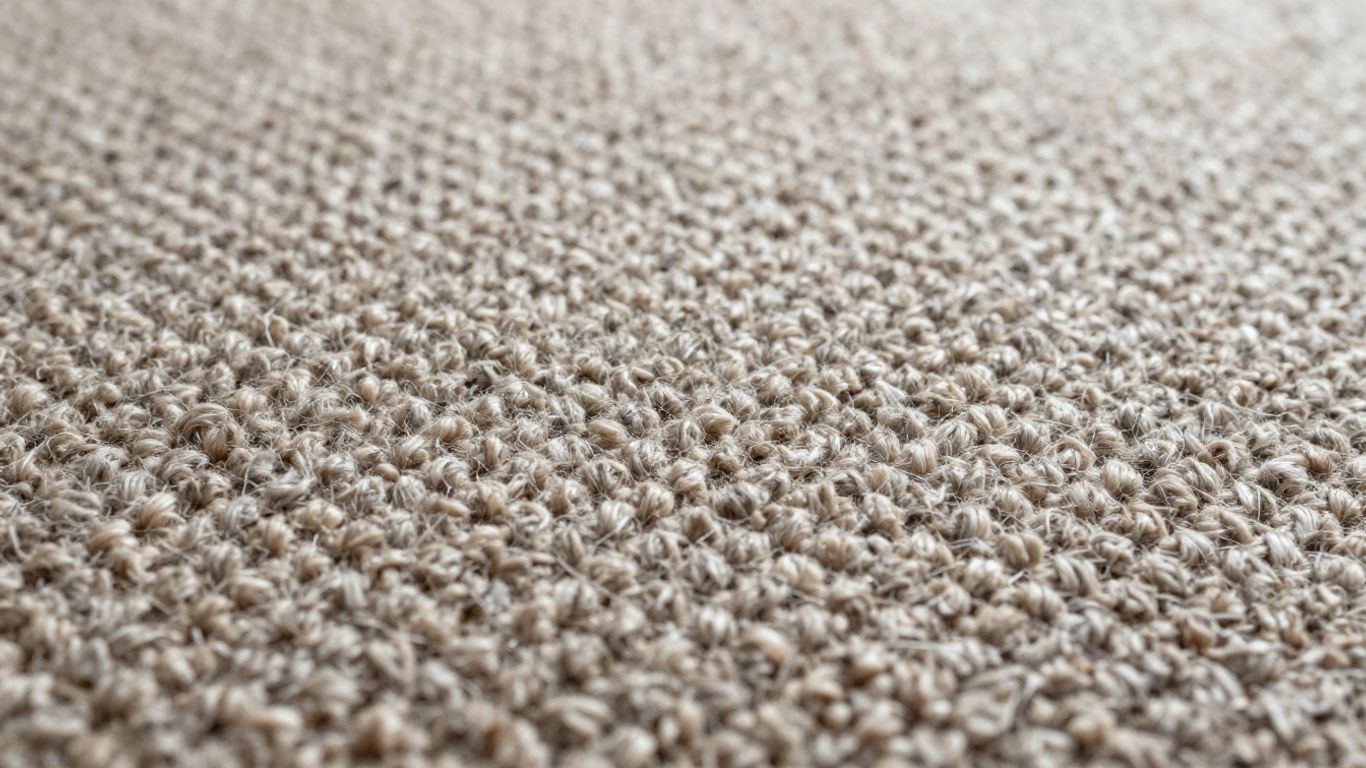
So, what exactly makes a carpet durable enough for constant foot traffic? It boils down to a few main things. First, the fiber itself plays a huge role. Some materials are naturally stronger and more resilient than others. Then there’s the construction, or how the carpet is made. This includes the pile type and how densely it’s packed. A well-constructed carpet will resist crushing, matting, and general wear and tear much better. Here are the main features to look for:- Fiber Strength: The material the carpet is made from.
- Pile Density: How closely packed the carpet fibers are.
- Twist Level: How tightly the individual fibers are twisted.
- Wear Resistance: How well it holds up against friction and abrasion.
The Importance Of Strength And Wear Resistance
Strength and wear resistance are probably the most important factors for high-traffic areas. Imagine shoes, bags, pets, and kids constantly moving across the floor. The carpet fibers need to be able to bounce back from being compressed and resist fraying or breaking. Materials like nylon are known for their excellent resilience, meaning they can spring back into shape even after being stepped on repeatedly. Loop pile constructions, where the fibers are looped and secured, also tend to be very strong because the loops themselves offer a protective barrier against crushing.Carpets in busy areas face constant stress. They need to be built to withstand this daily grind without showing damage too quickly. This means looking beyond just the surface appearance and considering the underlying construction and material quality.
Why Stain Resistance Is Crucial
Let’s be honest, spills happen, especially in high-traffic zones. Whether it’s a dropped cup of coffee, muddy footprints, or a pet accident, stains can quickly ruin the look of your carpet. That’s why stain resistance is a big deal. Many modern carpets come with built-in stain treatments or are made from fibers that naturally repel liquids and dirt. This doesn’t mean they’re invincible, but it gives you a much better chance of cleaning up messes before they become permanent problems. It saves you a lot of hassle and keeps your carpet looking fresh for longer.Choosing The Best Carpet Fibers For Busy Spaces
When you’re picking out carpet for areas that get a lot of foot traffic, like hallways or living rooms, the material really matters. It’s not just about how it looks; it’s about how it holds up over time. You want something that can handle the daily grind without looking worn out too quickly. Let’s break down the most common and effective carpet fibers for these demanding spots.Nylon Carpets: A Top Choice For Durability
Nylon is often considered the go-to fiber for high-traffic areas, and for good reason. It’s incredibly strong and resilient, meaning it can bounce back even after heavy use. Think of it like a sturdy workhorse – it just keeps going. This fiber is great at resisting matting and crushing, so those areas where people walk the most won’t get that flattened, worn look. Plus, nylon generally has good stain resistance built-in, which is a huge plus when you’ve got kids or pets running around. It’s a solid investment for busy homes.Triexta And SmartStrand: Naturally Stain-Resistant Options
Triexta, often sold under the brand name SmartStrand, is another synthetic fiber that’s really making a name for itself. What’s cool about triexta is its natural stain resistance. Unlike some other fibers that need special treatments, triexta is inherently good at repelling spills. This means that juice boxes, coffee spills, or muddy paw prints are less likely to become permanent fixtures on your floor. It’s also quite durable and soft, offering a nice balance for busy living spaces. Many people find it a great alternative to nylon, especially if stain protection is a top priority.Wool Carpets: Natural Resilience And Appeal
If you prefer natural materials, wool is a fantastic option. It’s known for its natural durability and a certain elegance that synthetic fibers can’t quite replicate. Wool fibers are strong and have a natural crimp that helps them spring back, resisting crushing and wear. They also have natural properties that help repel moisture and resist stains, making them surprisingly practical for busy areas. While wool can be more expensive upfront, its longevity and natural appeal make it a worthwhile consideration for many homeowners. It’s a classic choice that offers both beauty and brawn.Polyester Carpets: A Budget-Friendly Alternative
Polyester is often the most budget-friendly option among the common carpet fibers. It’s known for its softness and vibrant color possibilities. While it’s not quite as tough as nylon or triexta when it comes to heavy foot traffic, high-quality polyester can still perform well in moderately busy areas. However, it can be more prone to crushing and matting over time compared to its synthetic counterparts. If you’re looking for a softer feel underfoot and a more affordable price point, and your traffic isn’t extreme, polyester might be worth a look. Just be mindful of its limitations in the most demanding parts of your home. For more information on different carpet materials, check out Olefin carpet offers excellent.When selecting carpet for high-traffic zones, think about the long game. You want a fiber that not only looks good on day one but continues to do so after months and years of daily use. Durability, stain resistance, and ease of maintenance are your key allies in this decision.
Pile Types That Withstand Heavy Foot Traffic
When you’re thinking about carpets for places where people walk a lot, the way the carpet is made, its ‘pile,’ really matters. It’s not just about the fiber; it’s about how those fibers are arranged. Getting this right means your carpet will look good for longer and won’t get all matted down.The Benefits Of Short-Pile Carpets
Short-pile carpets are generally a great starting point for busy areas. Because the loops or cut fibers are shorter, they tend to be more compact and dense. This density means they can handle being stepped on repeatedly without getting crushed or losing their shape. Think of it like a short, sturdy brush versus a long, soft one – the short brush can take more pressure. They also tend to trap less dirt deep down, making them a bit easier to clean.Loop Pile Carpets For Maximum Durability
Loop pile carpets are constructed by weaving the yarn into the carpet backing in a way that forms small loops. These loops can be all the same height (level loop) or vary in height (multi-level loop). A common example is the Berber carpet, known for its distinctive look and toughness. The looped construction makes the carpet very resilient and resistant to crushing, which is exactly what you want in a high-traffic zone. They’re tough cookies, able to stand up to a lot of wear and tear.Cut And Loop Pile: A Textured Solution
This style is pretty neat because it combines elements of both cut pile and loop pile carpets. Some of the yarn is cut, and some is left in loops. This mix creates interesting textures and patterns on the carpet’s surface. The looped sections offer durability, while the cut sections can add softness. The varied surface also does a good job of hiding dirt and footprints, making it a practical choice for busy homes.Frieze Carpets For Hiding Wear And Tear
Frieze carpets, sometimes called ‘shag’ but with much tighter twists, are made from yarns that are heavily twisted. These twists create a very textured, somewhat informal look. The tight twist is the key here; it helps the carpet fibers stand up straighter and resist matting. Because the surface is so textured, it’s really good at camouflaging everyday wear, like footprints and minor dirt. It’s a good option if you want something that looks a bit more casual but still holds up well.Selecting Colors And Patterns To Conceal Dirt And Wear
Choosing the right color and pattern for your carpet in high-traffic areas is like picking the perfect camouflage. It’s not just about looks; it’s about practicality. A well-chosen design can make a world of difference in how clean your floors appear between vacuumings.How Darker Colors Hide Stains and Footprints
Let’s be real, busy areas get dirty. Darker carpet colors are your best friend here. Think deep grays, rich browns, or even navy blues. These shades are much better at hiding everyday dirt, mud tracked in from outside, and those inevitable footprints that seem to appear out of nowhere. Lighter colors, while they can make a room feel bigger, show everything. A light beige might look lovely in a low-traffic guest room, but in a hallway? You’ll be cleaning it constantly. For high-traffic zones, darker is definitely smarter. You can find some great options for durable carpet colors that are both stylish and forgiving.The Advantage Of Multi-Toned And Heathered Designs
Beyond solid dark colors, patterns are a fantastic way to disguise wear and tear. Multi-toned or heathered designs are particularly effective. These aren’t just one flat color; they have variations woven in. This variation breaks up the visual field, making it harder for dirt, small spills, or even slight matting to be noticeable. Imagine a carpet with flecks of different colors – it’s much harder to spot a tiny speck of mud on that than on a uniform dark blue carpet. It adds visual interest without sacrificing practicality.Textured Surfaces To Minimize Visible Wear
Texture is another element that plays a big role. Carpets with a bit of texture, like those with a frieze or cut-and-loop pile, can also help hide signs of wear. The uneven surface means light reflects differently, and it can make footprints and minor scuffs less obvious. It’s like how a slightly wrinkled shirt doesn’t look as bad as a perfectly pressed one that’s been sat on. A carpet with a bit of a twist or a varied pile height can look great for longer, even with constant use. Here’s a quick rundown of what to look for:- Darker Solid Colors: Excellent for hiding general dirt and footprints.
- Multi-Toned/Heathered Designs: Breaks up the visual field, masking minor imperfections.
- Textured Piles: Helps disguise wear patterns and light reflection.
When selecting carpet for busy areas, think about how the color and pattern will interact with daily life. What looks good on a showroom floor might be a maintenance nightmare in your entryway. Prioritize designs that camouflage dirt and wear, so your carpet stays looking its best with less effort.
Ensuring Easy Maintenance For Your High-Traffic Carpet
Picking a carpet that looks good is only half the battle, especially when it’s in a spot where everyone walks. You want something that doesn’t turn into a cleaning nightmare after a few weeks. Luckily, many carpets designed for busy areas are actually pretty simple to look after. It’s all about knowing what to do and when.Low-Pile Carpets For Simpler Cleaning
If you’re thinking about maintenance from the get-go, go for low-pile carpets. Seriously, their shorter fibers mean dirt and spills don’t get as deeply embedded. It’s way easier to vacuum them thoroughly, and if something does spill, you can usually get to it before it becomes a real problem. Think of it like this: less fiber means fewer places for gunk to hide.Routine Vacuuming And Spot Cleaning Strategies
Okay, so you’ve got your carpet. Now what? Regular vacuuming is your best friend. For those super busy spots like hallways or the entryway, aim to vacuum at least two to three times a week. Go slow and try vacuuming in different directions to really get all the dirt out and stop the fibers from getting all matted down. Less-used areas can probably get away with twice a week. When spills happen – and they will – act fast. Grab a clean white cloth or some paper towels and blot the mess. Start from the outside of the spill and work your way in. This stops it from spreading. Whatever you do, don’t scrub! That just pushes the mess deeper and can mess up the carpet fibers. For any lingering smells, a sprinkle of baking soda overnight can work wonders, just vacuum it up in the morning.The Role Of Professional Cleaning
Even with the best routine, some dirt just loves to hide deep down. That’s where professional cleaning comes in. Scheduling a deep clean about once a year, or maybe every 18 months, can really make a difference. It gets out all that ground-in grime that your regular vacuum misses and helps keep your carpet looking fresh and performing well for years to come. Plus, sometimes it’s even needed to keep your carpet’s warranty valid, so it’s worth looking into.Taking a few simple steps regularly can make a huge difference in how long your carpet lasts and how good it looks. It’s not about being perfect, but about being consistent with the basics like vacuuming and dealing with spills right away.
Finding The Best Carpet For High Traffic Residential Areas
Berber Carpet: A Popular Residential Choice
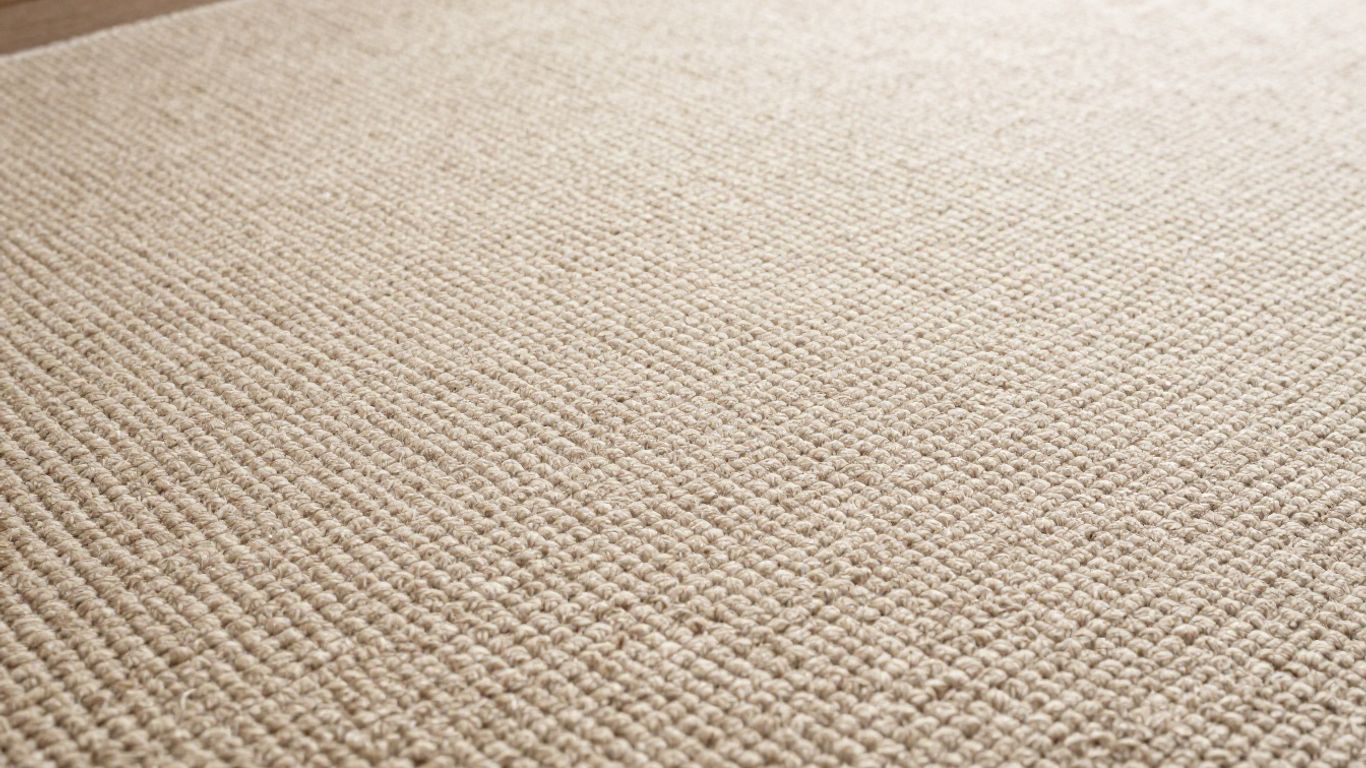
Berber is a name you’ll hear a lot when people discuss durable carpets, and for good reason. Its defining feature is the looped construction. Think of it like a series of small, tight loops that create a really dense surface. This structure makes it incredibly resistant to crushing and matting, which is exactly what you need when there’s constant foot traffic. Plus, the loops tend to keep dirt from getting too deep into the fibers, and many Berber carpets come with good stain resistance built-in. It’s a classic for a reason, especially for hallways, stairs, and living rooms where life happens.Patterned Cut and Loop For Busy Rooms
If you want a bit more texture and visual interest, a cut and loop pile carpet could be your answer. This style mixes things up by having both cut fibers (like a traditional carpet) and looped fibers. This combination does a couple of great things for busy areas. First, the varied texture helps to disguise dirt and wear patterns, so those inevitable scuffs and footprints aren’t as obvious. Second, it adds a nice dimension to the room, making it feel more dynamic. It’s a smart way to get durability without sacrificing style, making it a great fit for family rooms or play areas.Considering Carpet Tiles For Versatility
Now, carpet tiles might sound more like something for an office, but they’re actually a pretty neat option for homes too, especially if you’re looking for ultimate flexibility. The big advantage here is that if one tile gets damaged or stained beyond repair, you can just replace that single tile instead of having to redo a whole section of carpet. This is a lifesaver if you have particularly messy pets or young children. They come in a huge variety of colors and patterns, so you can get creative with your design, maybe even creating a unique look for a basement rec room or a home office. They’re surprisingly tough and easy to maintain, making them a practical choice for modern living. You can find some really durable options that are perfect for busy areas in your home.Finding the Right Carpet for Busy Spots
Not sure which of these suits your hallway or stairs? Our carpet fitters will bring samples to the house and tell you straight.
So, picking a carpet for areas where people walk a lot doesn’t have to be a headache. It’s all about finding something that can handle the daily grind without looking worn out too quickly. Think about materials that are tough, resist stains, and are easy to clean up. Things like nylon or carpets with a low, tight loop pile tend to do the best job. And don’t forget that colors and patterns can really help hide dirt and wear between cleanings. By keeping these points in mind, you can choose a carpet that not only looks good but also lasts a long time, even in the busiest parts of your home.