




Thinking about new carpets in Bristol? It’s a big decision, and honestly, getting it done right matters. We’ve all seen those DIY disasters or jobs that just don’t look quite finished. This article is all about what to expect when you go for professional carpet fitting in Bristol, from picking the right stuff to seeing the final result. We’ll cover what makes a pro job different and how it can totally change your space.
Key Takeaways
- Professional carpet fitting in Bristol ensures a polished look and protects your investment.
- Expert installation handles tricky details like subfloor prep and precise cuts for a flawless finish.
- Choosing carpets involves considering comfort, durability for busy areas, and style that matches your home.
- Seeing and touching real samples in a showroom helps you make the best choice for your space.
- Local Bristol experts understand property styles and can offer advice tailored to your lifestyle.
Expert Carpet Fitting Bristol: What to Expect
So, you’ve picked out the perfect carpet for your Bristol home. That’s great! But honestly, the real magic happens when it’s fitted properly. It’s not just about slapping it down; there’s a whole process involved to make sure it looks good and lasts for years. Getting it professionally fitted is a game-changer.The Importance of Professional Installation
Think about it – a carpet is an investment. You want it to lie flat, have neat edges, and not start curling up after a few months. Professional installers know all the tricks of the trade. They understand how different carpet types behave, how to prepare your subfloor (which is super important, by the way), and how to make those tricky cuts around doorways and fireplaces look clean. It’s about making sure your new flooring works perfectly with your space.Why Expert Fitting Beats DIY
Sure, you could try to do it yourself. I’ve seen those DIY videos, and they make it look easy, right? But in reality, it’s often a lot more complicated than it seems. You might need special tools, and getting the tension just right can be a real challenge. Plus, if something goes wrong, you might void the warranty on your new carpet. Our team has been doing this for ages, so they know how to handle pretty much any situation. They can level uneven floors, use the right adhesives, and make sure seams are practically invisible. It saves you a lot of hassle and potential headaches.Seamless Transitions and Finishes
One of the biggest differences you’ll notice with professional fitting is the finish. We’re talking about how the carpet meets other flooring types, like tile or wood, or how it looks along your walls and in doorways. Our fitters are skilled at creating smooth, clean lines. They pay attention to the details, like trimming edges neatly and using the right kind of underlay for maximum comfort and longevity. It’s these little things that really make a room look polished and complete.Transforming Your Home with New Flooring
When you’re thinking about changing up your home, flooring is a big part of it. It’s not just about covering the floor; it’s about how the whole room feels and looks. New flooring can really make a difference, whether you’re doing a small update or a big renovation.Flooring Solutions for Renovation Projects
If you’re planning a renovation, picking the right flooring is super important. It helps tie everything together, from new paint colors to furniture. Think about what you need for each space. For example, a cozy carpet is great for a bedroom, but maybe a tougher, water-resistant option like vinyl or laminate makes more sense for a kitchen or a busy hallway. We help you figure out what works best for your project, making sure it fits your style and your budget. It’s all about making sure your new floors work with your overall design plans.Elevating Interiors with Updated Flooring
Sometimes, just changing the floor can make a room feel completely new. It’s one of the most noticeable updates you can make. A fresh carpet can add warmth and softness, while wood or LVT can give a more modern or classic look. It’s amazing how much of a difference it makes when you see popular home transformations – the flooring is often a key player. We help you choose something that not only looks good but also feels good underfoot and stands up to daily life.Harmonising Flooring with New Décor
After you’ve painted your walls or bought new furniture, your flooring needs to match. It’s like the final piece of the puzzle. We can help you pick out colors and textures that go well with your new look. It’s easy to get it wrong, but with a little guidance, you can find flooring that makes your whole room feel balanced and stylish. We have lots of samples so you can see exactly how things will look in your own space before you commit.Choosing Your Perfect Carpet in Bristol
Carpets for Comfort and Warmth
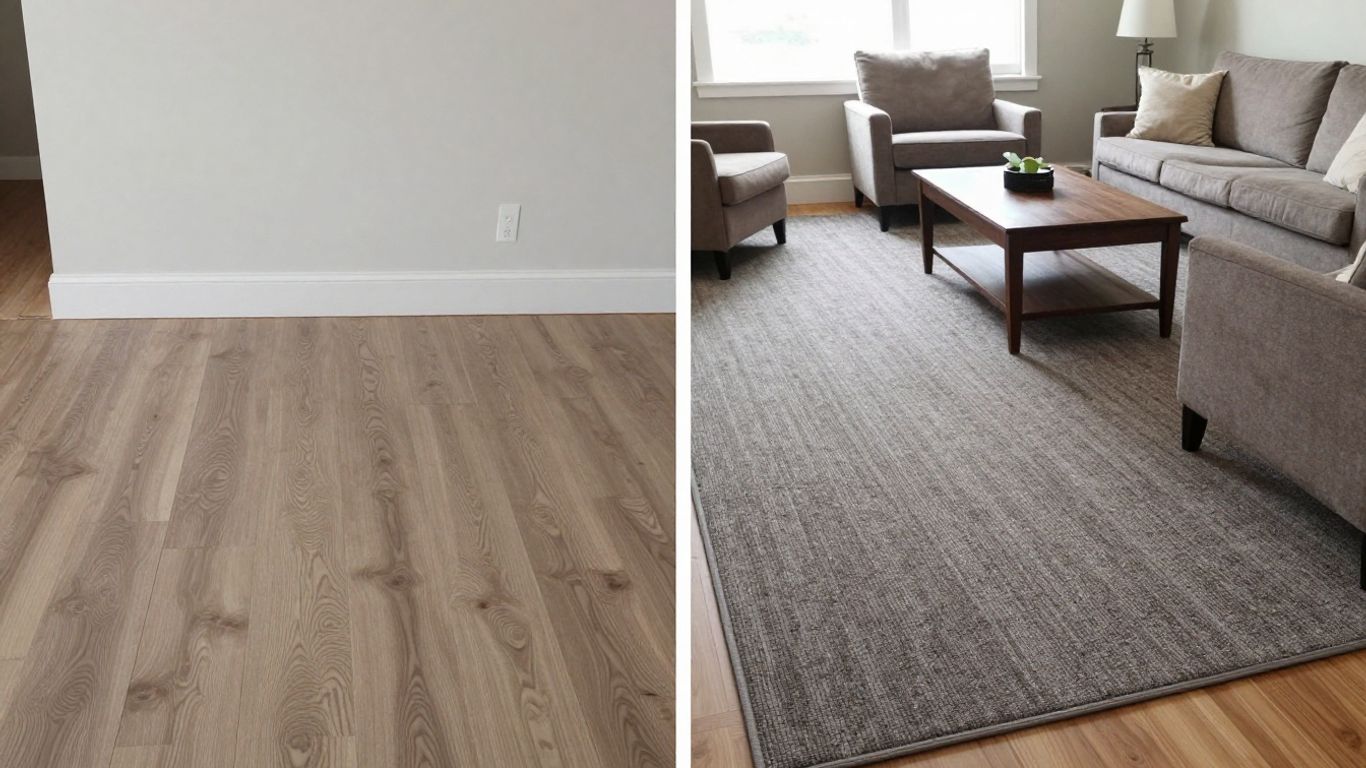
When you think about making a room feel really cozy, carpet is often the first thing that comes to mind, right? It’s perfect for places like bedrooms or living rooms where you want that soft, warm feeling under your feet. We’ve got all sorts of styles here in Bristol, from plush Saxony carpets that feel super soft to durable loop piles and natural wool options. Each one gives a different vibe and feel to your space. Getting the right carpet is about more than just looks; it’s about creating a comfortable haven.Durable Options for High-Traffic Areas
Life happens, especially in busy homes or places with lots of people coming and going. That’s why we have flooring solutions built to last. Think about kitchens, hallways, or even playrooms – these spots need something tough. We carry vinyl, laminate, and luxury vinyl tiles (LVT) that are fantastic for these areas. They’re usually waterproof, super easy to clean up spills on, and come in designs that can look just like real wood or stone. You get that stylish finish without all the fuss.Premium Wood and Natural Flooring Choices
If you’re aiming for a more sophisticated or timeless look, our wood and natural flooring options are worth a serious look. We have engineered wood, beautiful bamboo, and even options like parquet flooring. These materials bring a natural warmth and character to any room. They’re not just pretty; they’re also built to last and can work with pretty much any interior design style, whether your home is modern or more traditional. It’s a choice that adds real value and a touch of class.Visualising Your Flooring Choices
Picking out new flooring can feel like a big task, right? There are so many options out there, and it’s tough to know what will actually look good in your home. That’s where we come in. Our goal is to make this part easy and, dare I say, even fun.Experiencing Real Samples in Our Showroom
Looking at tiny pictures online just doesn’t cut it sometimes. Colours can look totally different on your screen, and you can’t really get a feel for the texture. That’s why coming down to a showroom is such a game-changer. You can actually touch the carpets, see how the light hits different wood finishes, and compare a few options side-by-side. It’s about getting a real sense of the material, not just an idea.Meeting Flooring Specialists Face-to-Face
Sometimes, you just need to talk things through with someone who knows their stuff. Our team isn’t just here to sell you flooring; they’re here to help you figure out what works best for your life. They can answer all those little questions you have, like “Will this stain if my dog has an accident?” or “Does this go with my current wall colour?” Getting that personal advice can save you a lot of headaches later on.Tailoring Solutions to Your Lifestyle Needs
We get that everyone’s home is different. Maybe you’ve got kids and pets running around, or perhaps you’re looking for something super low-maintenance for a rental property. Or maybe you just want that super plush carpet for your bedroom. We take the time to chat about how you use your space and what’s important to you. This way, we can point you towards options that aren’t just pretty, but also practical for your day-to-day.Don’t just pick what looks good in a catalogue. Think about how you live, who lives with you, and what you need your floors to do. The right flooring should make your life easier, not harder.
Local Expertise for Bristol Homes
Understanding Local Property Styles
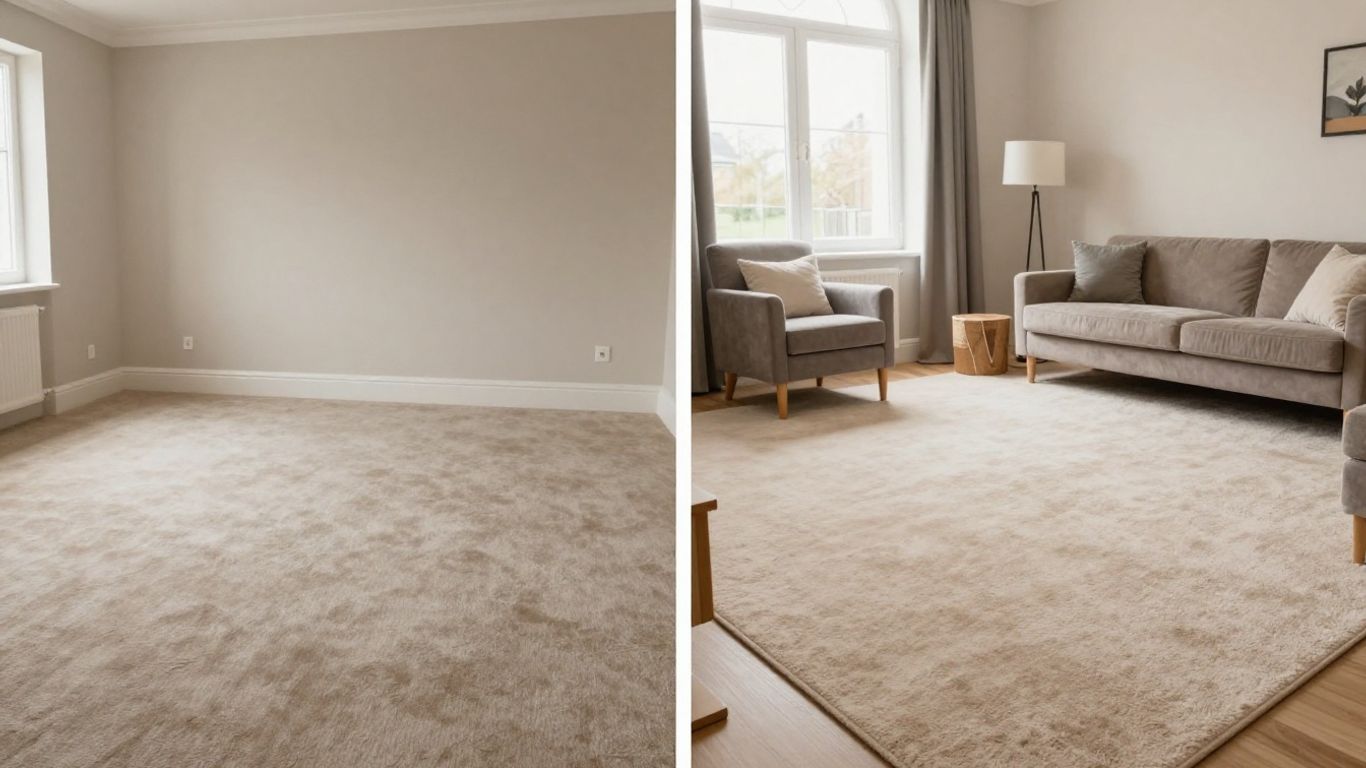
Bristol’s got a real mix of homes, right? From those charming old terraces in Clifton to the newer builds out towards Bradley Stoke, each place has its own vibe. We’ve been fitting carpets and flooring around Bristol for ages, and we’ve seen it all. This means we get how different property styles work best with certain materials. For instance, a period home might look amazing with a classic wool carpet or some traditional wood flooring, while a modern flat might be better suited to sleek LVT or a durable laminate. Knowing the local architectural styles helps us suggest flooring that just fits perfectly. It’s not just about looks, either; it’s about what holds up best in your specific kind of home.Advice Suited to Your Lifestyle
What works for one family might not work for another. Are you constantly battling muddy boots from walks on the Downs? Do you have pets that shed or little ones who are always spilling something? Or maybe you’re looking for something super low-maintenance for a rental property. We chat with you about your day-to-day life to figure out the best flooring solutions. For busy households, we might point you towards hard-wearing vinyl or stain-resistant carpets. If it’s pure comfort you’re after, perhaps a plush Saxony or a soft Berber is the way to go. We break down the pros and cons so you can make a choice you won’t regret.Supporting the Bristol Community
When you choose us, you’re not just getting new floors; you’re supporting a local Bristol business. We’re part of this community, employing local people and working with other local suppliers where we can. It feels good to know that your project helps keep things ticking over right here in Bristol. Plus, being local means we’re always nearby if you have any questions or need a bit of aftercare down the line. We pride ourselves on building relationships, not just completing jobs. It’s about being a reliable neighbour for all your flooring needs.The Consultation and Installation Process
Getting new flooring can feel like a big step, but we try to make it as smooth as possible. It all starts with a chat, either at your place or ours.What to Expect During a Free Consultation
When you book a consultation, one of our flooring pros will come out to your home. They’ll take exact measurements of the rooms you’re thinking about. Plus, they’ll check out your subfloor – that’s the base layer underneath your current flooring. This helps us spot any issues like dampness or uneven spots that might need sorting before we lay anything new. We’ll also talk about underlay options. A good underlay can make a big difference in how comfy and warm your new carpet feels, and it can help it last longer too.Home Visits vs. Showroom Appointments
Some folks like to see and feel the samples in person, which is totally fine. Our showroom lets you get up close with different colours and textures. You can even compare them side-by-side under good lighting. It’s a great way to get a real feel for what you like. But if you’re super busy, a home visit is often easier. Our specialist brings samples right to your living room, so you can see how they look with your furniture and wall colours. It really helps you picture the final result.Ensuring a Flawless Installation
Once you’ve picked your perfect carpet or flooring, the real magic happens with the fitting. Professional installation is key to making sure your new floor looks great and lasts for years. Our team knows all the tricks of the trade. They handle everything from precise cutting to making sure edges meet up perfectly. It’s not just about looks; it’s about making sure the floor performs as it should. We’ve seen DIY jobs go wrong, and honestly, it’s usually more trouble than it’s worth. Our fitters, like Luke and Mike, are known for their great work, making sure all the little details are sorted, like cleaning up any stray bits afterwards. We want you to be happy with the finished job, and that means getting the installation right. Here’s a quick look at what happens:- Initial Contact: You reach out to us.
- Consultation: We schedule a visit (home or showroom) to measure and discuss options.
- Quotation: You receive a clear breakdown of costs.
- Installation: Our team fits your new flooring.
- Final Check: We make sure you’re happy with everything.
Choosing the right flooring is a big deal, and getting it fitted properly is just as important. We take the time to get it right, from the first chat to the final vacuum.