



So, you’ve got pets and you live in Bristol. Finding the right flooring can feel like a puzzle, right? You want something that looks good, holds up to wagging tails and muddy paws, and doesn’t cost a fortune. This guide is all about helping Bristol families pick out floor coverings that work for both two-legged and four-legged members of the household. We’ll look at tough tiles, resilient wood options, and finishes that keep things safe and clean. Let’s get your home ready for all the fun your pets bring.
Key Takeaways
When picking floors for pets in Bristol, think about materials like porcelain tile and engineered wood. They’re tough and handle daily pet life well.
Wood floor finishes matter. Look for water-based or oil-based polyurethane coatings, or textured options to hide scratches. Safety first, so check for low VOCs.
Flooring needs to resist scratches and stains from pets, and offer good grip so paws don’t slip. This keeps your floors looking good and your pets safe.
Cleaning is key. Sweep or vacuum often and clean up spills right away. Using mats in busy spots can also help protect your floors.
Choosing the right colour and style can make a big difference. Mid-tone colours help hide pet hair and dirt, making your home look tidier between cleanings.
Durable Flooring Choices For Bristol Pets
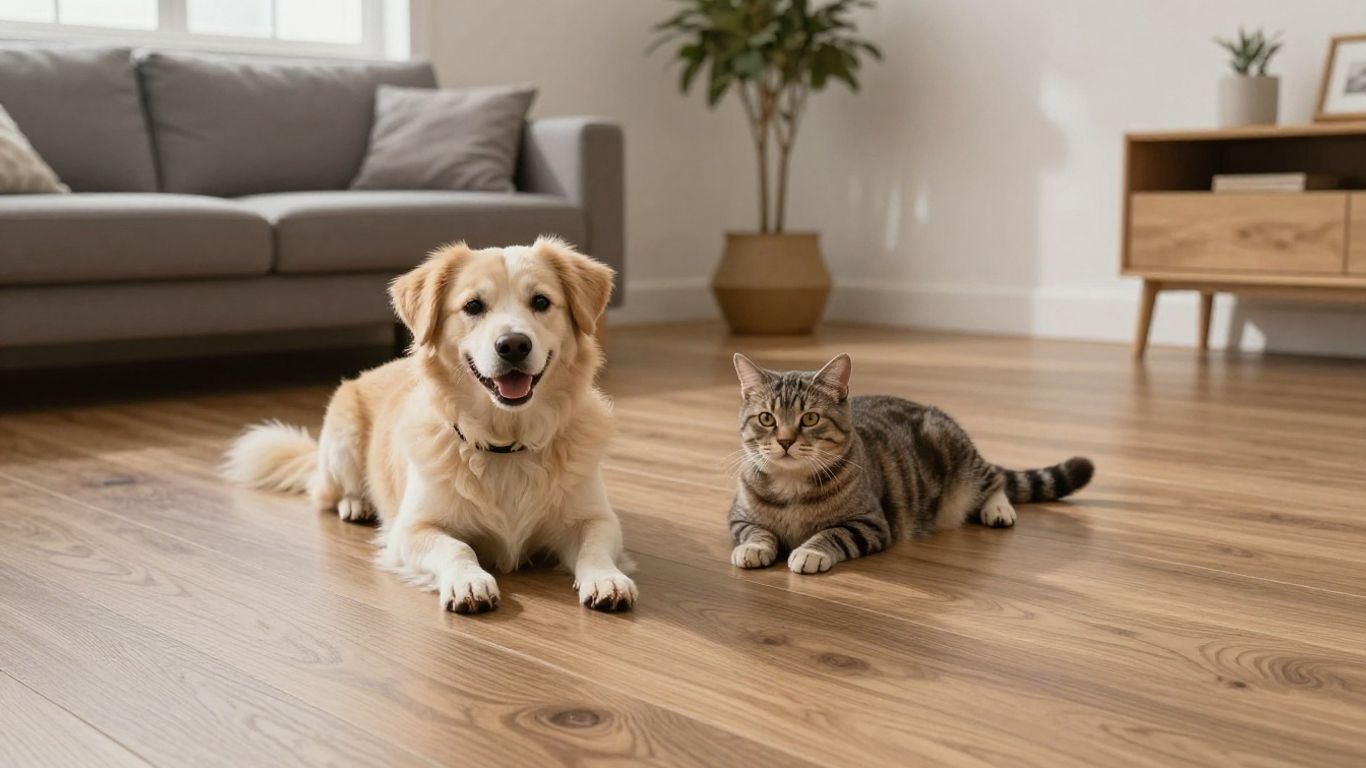
When you’ve got pets running around Bristol, picking the right flooring isn’t just about looks; it’s about survival. You need something that can handle muddy paws, the occasional accident, and the general wear and tear that comes with furry family members. Let’s look at some solid options that won’t have you constantly worried.
Porcelain Tiles: Dependable And Low-Maintenance
Porcelain tiles are a real workhorse for homes with pets. They’re super dense, which means they’re tough to scratch or dent, even with enthusiastic zoomies or sharp claws. Plus, they’re naturally water-resistant, so spills and accidents are usually easy to wipe up without causing damage. This makes cleaning up after your pets much less of a headache. They come in so many styles now, you can get that natural stone look without all the fuss.
Natural Stone: Characterful And Robust
If you love the unique look of natural stone, it can be a great choice too, but it requires a bit more thought. Materials like granite or slate are very hard and can stand up to a lot. However, some natural stones are porous, meaning they can stain if not sealed properly. Regular sealing is key here to keep them protected from pet messes. They add a lot of character to a home, and their natural variations can sometimes help hide minor scuffs.
Engineered Wood: Stability And Resilience
While solid hardwood can be tricky with pets, engineered wood is often a better bet. It’s made of layers of wood with a real wood veneer on top. This construction makes it more stable and less likely to warp or expand with changes in humidity, which is common in older Bristol homes. It’s still wood, so it can scratch, but many engineered options are quite resilient. Choosing a harder wood species for the veneer and a good protective finish makes a big difference.
Understanding Pet-Friendly Wood Floor Finishes
When you have pets, the finish on your wood floors becomes a really big deal. It’s not just about how the floor looks; it’s about how it holds up to muddy paws, occasional accidents, and the general wear and tear that comes with furry family members. Choosing the right finish is key to keeping your wood floors looking good and lasting longer.
Polyurethane Coatings For Protection
Polyurethane is a popular choice for a reason. It creates a tough, protective layer on top of the wood. Think of it like a shield. This shield is what helps prevent scratches from claws and makes the floor more resistant to spills. There are two main types to consider:
Oil-based polyurethane: These tend to be very durable and give the wood a warm, amber tone. They can take a bit longer to dry, though, and might have stronger fumes initially.
Water-based polyurethane: These dry much faster and have fewer fumes, which is a big plus when you have pets around. They are also clearer, so they won’t change the natural color of the wood as much. While they might need more coats than oil-based, they are a solid choice for busy households.
Water-Based Versus Oil-Based Finishes
So, which one is better for your Bristol home with pets? It really comes down to what you prioritize. Water-based finishes are generally considered more pet-friendly because they dry faster and have lower VOCs (Volatile Organic Compounds), meaning fewer fumes to worry about. This is great if your pets are sensitive or if you can’t keep them off the floors for too long during application. Oil-based finishes, on the other hand, can offer a slightly harder finish and a richer look, but the longer drying time and stronger smell mean you’ll need to plan your project carefully to keep your pets safe and comfortable.
Feature | Water-Based Polyurethane | Oil-Based Polyurethane |
|---|---|---|
Drying Time | Fast | Slow |
VOCs | Lower | Higher |
Durability | Good | Very Good |
Color Change | Minimal | Amber tone |
Odor | Mild | Strong |
Textured Finishes To Mask Scratches
Even with the best protection, tiny scratches can happen. This is where textured finishes come in handy. Instead of a perfectly smooth, glossy surface that shows every little mark, a textured finish has a bit of a grain or a matte appearance. This subtle texture helps to disguise minor scratches and scuffs, so your floors continue to look great between deep cleans. It’s a smart way to maintain the appearance of your wood floors without constant worry about every little scratch your pet might leave behind. It’s like a visual trick that makes life easier for pet owners.
Key Features For Pet-Proof Flooring
When you’re picking out new floors for your place in Bristol, especially with furry friends running around, you’ve got to think about a few things. It’s not just about how nice it looks, but how well it holds up to paws, claws, and the occasional accident. The right flooring makes life easier for everyone, pets included.
Scratch and Dent Resistance
This is a big one. Dogs’ nails, even when trimmed, can leave marks on softer materials. Cats, well, they have their moments too. You want something that can take a bit of a beating without showing it. Think about materials that are naturally tough. Some engineered woods and certain types of tile are really good at this. It means you won’t be constantly worried about every little scratch.
Water and Stain Resistance
Accidents happen, right? Whether it’s a spilled water bowl, muddy paw prints after a walk in the park, or something else entirely, you need floors that can handle moisture. If liquid sits too long, it can seep in, warp materials, or leave stains. Look for options that repel water and are easy to wipe clean. This is where materials like porcelain tile, vinyl, and some laminates really shine. They’re designed to keep spills on the surface where they belong.
Traction For Paw Safety
Ever seen a dog skid on a slippery floor? It’s not pretty, and it’s not safe. Pets, especially older ones or those with joint issues, need a surface that gives their paws some grip. Too slippery, and they could get hurt. Too rough, and it might feel uncomfortable. A good balance is key. Many tiles have a bit of texture, and some wood-look options are designed with this in mind. It helps them move around confidently without feeling like they’re on an ice rink.
Choosing flooring that ticks these boxes means less stress for you and a safer, more comfortable home for your pets. It’s about finding that sweet spot between durability, ease of care, and your pet’s well-being.
Maintaining Your Pet-Friendly Floors
Keeping your floors looking good, especially with pets running around Bristol, is all about a good routine. It’s not rocket science, but it does take a bit of effort. Think of it like this: you wouldn’t let your car get completely trashed, right? Your floors deserve similar attention.
Routine Cleaning For Longevity
Regular sweeping or vacuuming is your first line of defense. Little bits of grit and dirt tracked in by paws can act like sandpaper over time, dulling your floor’s finish. Aim to do this daily, or at least every other day, especially if you have a dog who loves the outdoors. A good quality vacuum with a hard floor attachment works wonders. For tile or stone, a dust mop is also a great tool to grab fine particles before they get ground in.
Prompt Spill Cleanup
This is a big one. Accidents happen, whether it’s a spilled drink or, well, pet accidents. Wipe up any liquid messes immediately. Don’t let them sit. For wood floors, especially, liquids can seep in and cause staining or even warping if left too long. Keep a good supply of absorbent cloths or paper towels handy. For tougher spots, use a cleaner specifically designed for your floor type – just make sure it’s pet-safe.
Using Protective Measures
Think about where your pets spend the most time. Do they have a favorite spot to nap by the patio door? Consider placing a durable rug or mat there. This adds a layer of protection against scratches and wear in high-traffic zones. Also, keeping your pet’s nails trimmed regularly makes a huge difference in preventing deep scratches on all types of flooring. It’s a simple step that saves a lot of potential headaches down the line.
Taking a few minutes each day for simple maintenance can save you hours of repair work later. It’s about being proactive rather than reactive when it comes to your floors and your pets.
Safety And Non-Toxic Considerations
When you have pets running around Bristol, thinking about what’s on your floors becomes pretty important. It’s not just about how they look or how tough they are; it’s about keeping your furry pals safe and sound. Some floor finishes can release yucky stuff into the air, and pets, being the curious sniffers they are, can end up breathing it in or even licking it. We want to avoid that, right?
Prioritising VOC-Free Options
Volatile Organic Compounds, or VOCs, are chemicals that can make indoor air quality pretty bad. They’re often found in paints, cleaning supplies, and yes, some floor finishes. For pet owners, it’s a good idea to look for finishes that are labelled as VOC-free or have very low VOC content. These are generally much safer for everyone in the house, including your dog or cat who spends a lot of time close to the floor. Water-based finishes are often a better bet here than oil-based ones, as they tend to have fewer of these compounds.
The Benefits Of Natural Oils
Natural oil finishes are another great option to consider. They soak into the wood rather than just sitting on top, which can make the wood look really nice and natural. Plus, many of these oils are made from plant-based ingredients, making them a lot less likely to have harsh chemicals. They can be a bit more work to maintain than some other finishes, but for many pet owners, the peace of mind that comes with using something more natural is totally worth it. They also tend to be easier to repair if they do get scratched.
Choosing Pet-Safe Formulas
When you’re shopping for finishes, always check the product details. Look for terms like “pet-safe,” “non-toxic,” or “eco-friendly.” Sometimes, the manufacturer will even mention if it’s suitable for homes with children or pets. It’s also worth remembering that even with the safest finishes, it’s a good idea to let them cure completely before letting your pets have full run of the place. This usually takes a few days, and it means the finish is fully hardened and won’t rub off or be easily damaged.
Keeping your home healthy for your pets means being mindful of the products you use, especially on your floors. Opting for finishes that are low in chemicals and designed with safety in mind helps create a living space where both you and your animals can thrive without worry.
Here’s a quick rundown of what to look for:
Low or Zero VOCs: Less chance of irritating fumes.
Water-Based Formulas: Generally safer and dry faster.
Natural Oil-Based Products: Often made from plant ingredients.
Clear Manufacturer Labels: Look for “pet-safe” or “non-toxic” claims.
Complete Curing Time: Allow finishes to fully harden before pet access.
Styling Your Home With Pets In Mind
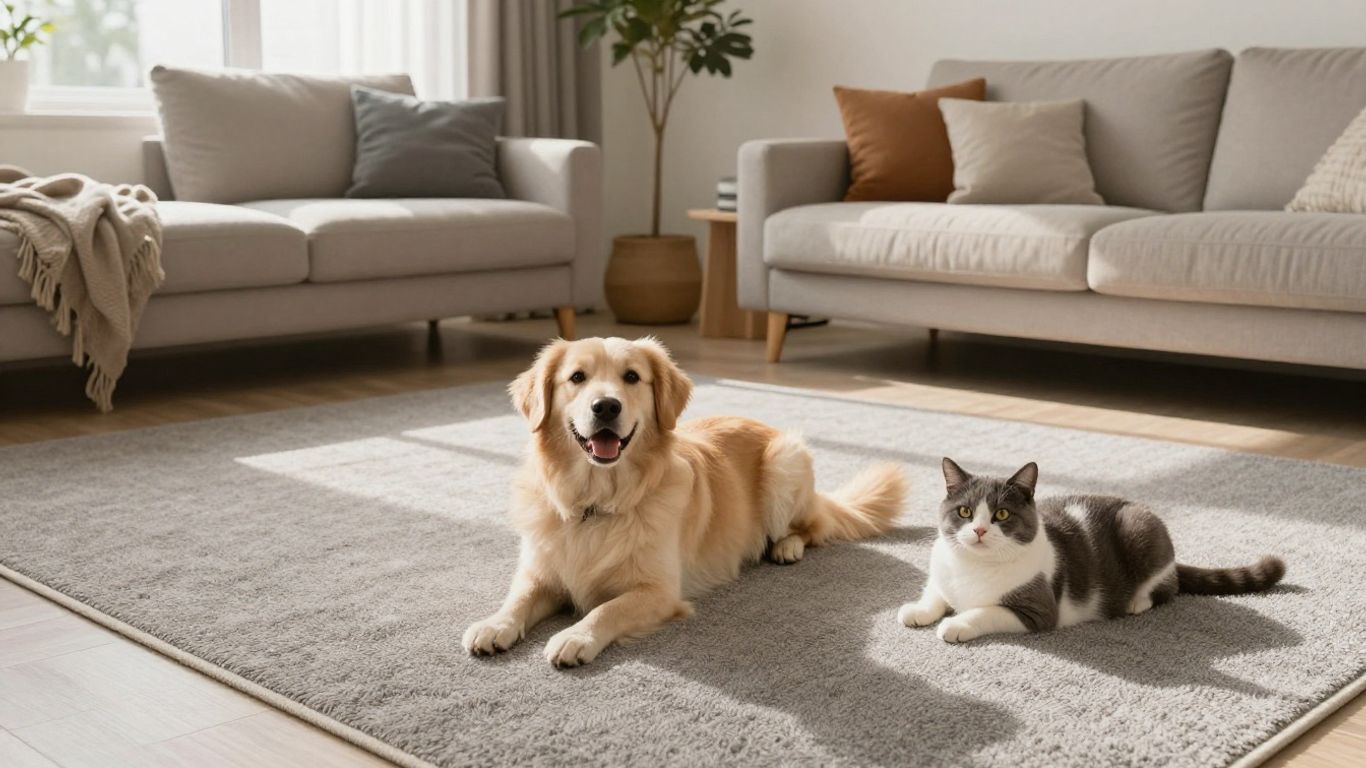
Choosing the right flooring is a big part of making your home work for both you and your furry friends. But beyond just durability and ease of cleaning, how can you actually make your floors look good and feel welcoming, even with pets around? It’s all about thinking smart with colour, texture, and design.
Disguising Pet Hair With Colour
Let’s be honest, pet hair is a constant. Instead of fighting a losing battle, why not pick flooring colours that help it blend in? Mid-tone neutrals, warm beiges, and soft greys are your best bet. They’re great at hiding everyday pet hair and those inevitable paw prints, making your space look tidier between cleans. Think about tiles with a bit of natural variation, like some stone-effect porcelains or tumbled limestones. This subtle movement in the pattern helps to diffuse marks and hair, so you’re not constantly stressed about the state of your floors.
Natural Movement In Tile Design
When you look at tiles, pay attention to the ‘movement’ within the design. This refers to the natural variations in colour and pattern, much like you’d see in real stone. Tiles that have a gentle, organic flow are fantastic for pet owners. They don’t just look more authentic and interesting; they’re also brilliant at camouflaging everyday wear and tear. Small scuffs, tiny scratches, or a bit of tracked-in dirt just seem to disappear into the natural pattern. This means your floors will look welcoming and well-maintained for longer, which is a win-win.
Creating A Welcoming Space
Ultimately, you want your home to feel like a sanctuary for everyone, including your pets. This means considering how the floor feels underfoot. Textured finishes, like a subtle tumbled effect on stone or a matt, slightly grippy porcelain, offer better traction for pets, especially older ones or those prone to slipping. This not only makes them feel more secure moving around but also adds a tactile quality to your space. Combining practical choices with a design that has character and warmth will make your home a truly comfortable place for the whole family, paws and all.
Wrapping It Up
So, picking the right floor for your Bristol home when you’ve got pets doesn’t have to be a headache. We’ve looked at a bunch of options, from tough tiles and resilient vinyl to smart wood finishes. Remember, it’s all about finding that sweet spot between looking good, being easy to clean up after those muddy paw prints, and most importantly, keeping your furry pals safe and sound. Whether you go for something super durable or a finish that hides the fur, there’s definitely a flooring choice out there that works for your family and your four-legged friends. Happy flooring!
Frequently Asked Questions
What kind of flooring is best if I have dogs or cats?
For homes with pets, it’s smart to pick flooring that can handle scratches, spills, and doesn’t get too slippery. Good choices include tough porcelain tiles, natural stone, engineered wood, and certain types of vinyl or laminate. These materials are often water-resistant and have textures that help your pet’s paws get a better grip, reducing slips and falls.
How can I make sure my wood floors are safe for my pets?
When you have wood floors and pets, the finish is super important. Look for finishes that are tough against scratches and spills, like polyurethane coatings. Water-based finishes are often a good idea because they dry fast and are less likely to have strong smells that could bother your pets. Also, consider engineered wood, which is built to be more stable and resist damage better than solid hardwood.
What does ‘scratch and dent resistance’ mean for flooring?
This means the flooring material is strong enough to resist marks from pet nails or accidental drops. Think of it like a shield for your floor! Materials like porcelain tile and engineered wood are naturally good at this, so they’ll look nicer for longer, even with active pets running around.
Why is water and stain resistance important for pet owners?
Pets can sometimes have accidents or track in mud. Flooring that’s water and stain resistant makes cleaning up these messes much easier. Spills won’t soak in and cause damage or permanent stains, so you can just wipe them away quickly without worrying about ruining your floor.
How can the color of my flooring help with pets?
Choosing the right color can be a clever trick! Mid-tone colors, like warm beiges or soft grays, are great at hiding pet hair and paw prints between cleanings. Very light or very dark floors can show dirt and fur more easily, making your home look messy faster.
What are non-toxic flooring options, and why do they matter?
Non-toxic flooring means it doesn’t release harmful chemicals into the air, which is better for everyone, especially pets who might sniff or lick the floor. Look for labels that say ‘VOC-free’ or mention natural oils and water-based formulas. This helps create a healthier home environment for your furry friends.