



Thinking about new floors for your place in Bristol? It’s exciting, but also a bit of a minefield. You see all these beautiful options, but it’s easy to make a slip-up that costs you time and money. We’ve put together some common flooring mistakes Bristol homeowners tend to make, so you can hopefully sidestep them and end up with a floor you really love. Let’s get this right from the start.
Key Takeaways
Always think about how you actually use a room before picking a floor. A fancy, light-colored wood floor might look amazing, but if you have pets and kids, it’s probably not the best choice for a busy living area. Practicality needs to be high on your list.
Don’t just fall for how a tile or wood looks in a store. Consider how it will hold up in your specific home. Bathrooms need water-resistant stuff, and busy hallways need something tough. Also, check slip ratings for tiles, especially in bathrooms or kitchens.
Wood flooring, especially solid wood, needs time to get used to your home’s temperature and moisture levels before it’s laid. Skipping this ‘acclimatisation’ step can lead to boards warping or shrinking later on.
Preparation is everything. Make sure your subfloor is clean, dry, and level before anything goes down. A bad base means a bad floor, no matter how good the material is. Also, don’t forget to leave small gaps around the edges for wood to expand.
Order a bit extra! Whether it’s tiles or wood, always get at least 10% more than you think you need. This covers cuts, mistakes, and potential breakages. Running out mid-job and trying to match batches later is a headache you don’t want.
Choosing The Right Flooring For Your Bristol Home
Picking out new flooring for your Bristol home can feel like a big decision, and honestly, it is. It’s not just about how things look, though that’s part of it. You’ve got to think about how the floor will actually work in your life, day in and day out. Making the right choice from the start saves a lot of headaches later on.
Prioritizing Practicality Over Aesthetics
It’s easy to fall in love with a floor that looks amazing in a showroom. Think dark, glossy tiles or a super-smooth, light-coloured wood. But here’s the thing: those beautiful floors can be a nightmare to keep clean. Every speck of dust, every pet hair, every tiny scratch shows up. Before you get swept away by looks, ask yourself about the daily grind. How much time do you want to spend cleaning? For busy households, especially with kids or pets, a more forgiving finish is usually a better bet. Think about materials that hide everyday wear and tear a bit better.
Considering Room Conditions and Usage
Different rooms in your house have different needs. A bathroom or kitchen, for example, deals with moisture, so you need something that can handle that. Putting wood flooring in a damp basement or a bathroom is just asking for trouble down the line – think warping and mould. On the flip side, a hallway sees a lot of foot traffic, so you need something tough and durable there. It’s about matching the flooring material to the specific environment and how much action that room gets.
Matching Flooring to Your Lifestyle
How do you actually live? If you have energetic dogs who love to zoom around, a super-slippery laminate might not be the best idea. If you’re someone who likes to go barefoot around the house, a cold, hard tile might feel uncomfortable, especially during those cooler Bristol months. Consider your daily routines. Do you entertain a lot? Do you have young children? Are you planning on installing underfloor heating? These lifestyle factors play a big role in what kind of flooring will actually make you happy long-term.
Overlooking Comfort Features
Comfort is a big deal, and it’s something people often forget when they’re focused on looks and durability. A hard, cold floor can make a room feel unwelcoming. If comfort is high on your list, you might want to think about adding underfloor heating, or choosing materials that naturally feel warmer underfoot, like certain types of wood or quality carpet. It’s not just about the surface; it’s about how the whole space feels when you’re in it.
Avoiding Common Tile Mistakes In Bristol Properties
When it comes to tiling your Bristol home, it’s easy to get caught up in the visual appeal. But a beautiful tile job is more than just looks; it’s about making sure the tiles are right for the job and installed correctly. Let’s talk about some common slip-ups.
Selecting Tiles Unsuitable for Their Purpose
It might seem obvious, but picking the wrong tile for the wrong room is a frequent error. For instance, a delicate ceramic tile might look great in a low-traffic living area, but it won’t stand up well to the constant moisture and foot traffic in a busy bathroom or kitchen. Always check the tile’s specifications for its intended use. Some tiles are rated for specific areas, like kitchens or bathrooms, and using them elsewhere might lead to premature wear and tear.
Neglecting Slip Resistance Ratings
This is a big one, especially in Bristol homes where bathrooms and kitchens can get steamy. Tiles that look fantastic can be surprisingly slippery when wet. Always look for the slip resistance rating, often indicated by an R-value or a coefficient of friction. For areas prone to moisture, like bathrooms, shower floors, or even entryways that might get wet from rain, you’ll want tiles with a higher slip resistance. Ignoring this can turn a stylish floor into a safety hazard.
Ignoring Tile Scale and Pattern Repeat
The size of your tiles and how their patterns repeat can really change how a room feels. In smaller Bristol homes, using very large tiles with a busy, repeating pattern can make the space feel even more cramped. Conversely, tiny tiles in a vast open-plan area might look a bit busy. Consider the overall dimensions of your room and how the tile’s scale will work within that space. Also, pay attention to the pattern repeat – a tile with a very long repeat might look disjointed if you don’t have enough space for the full pattern to show.
Key Considerations For Wood Flooring In Bristol
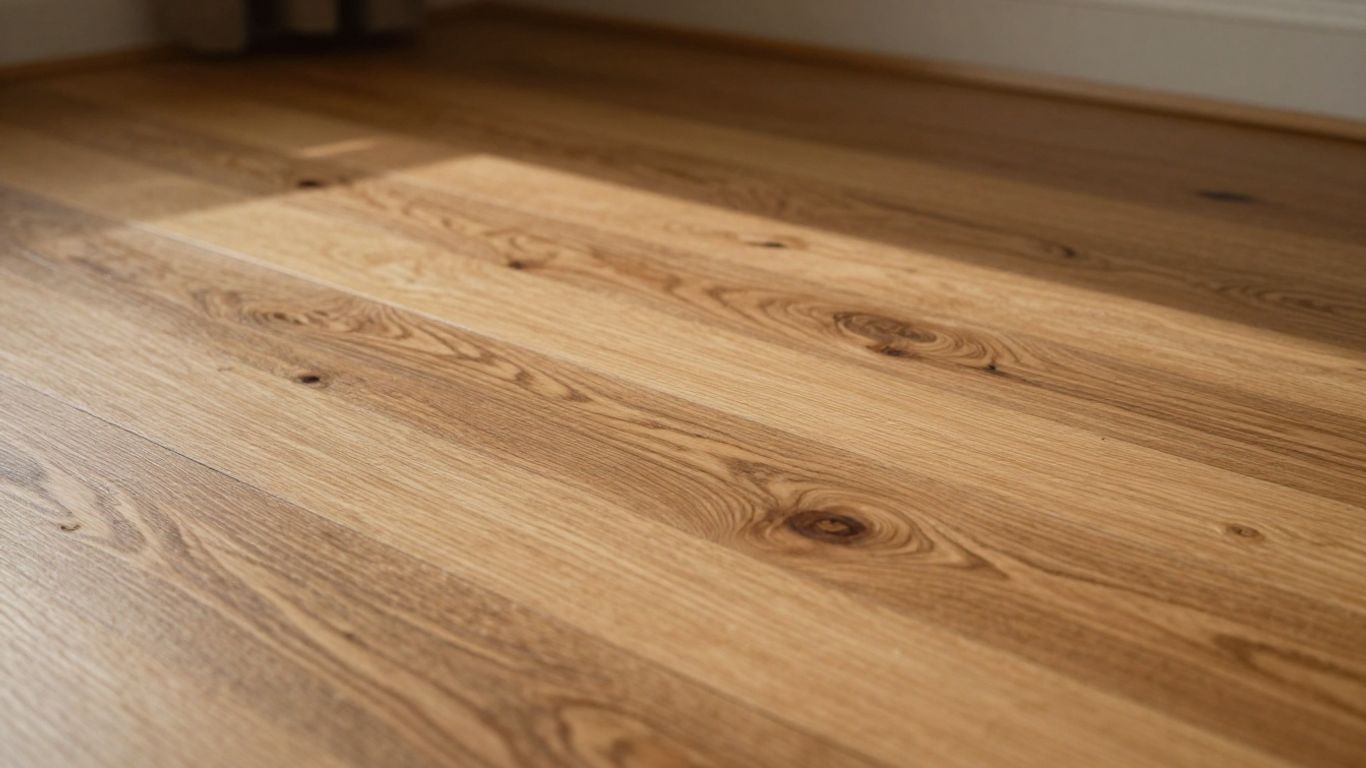
When you’re thinking about wood flooring for your Bristol home, there are a few things that really matter. It’s not just about picking a pretty plank; you’ve got to think about how it’ll live with you and the house.
Ensuring Compatibility With Underfloor Heating
If you’ve got underfloor heating, this is a big one. Not all wood floors play nicely with heat from below. Solid wood can sometimes warp or move too much when subjected to consistent warmth. Engineered wood flooring is often a better bet here because its layered construction makes it more stable. Always check with your supplier that the specific wood you choose is rated for use with underfloor heating. It’s a detail that can save you a lot of headaches down the line.
Understanding Wood Finishes and Maintenance
The finish on your wood floor is like its coat of armor. You’ve got options like lacquer and oil. Lacquered finishes are pretty low-maintenance and offer good protection against spills and scratches, which is great if you’re busy or have kids and pets. Oil finishes, on the other hand, can look really natural and beautiful, but they need more regular upkeep. You’ll have to reapply maintenance oils periodically to keep it looking its best. Think about your lifestyle before you pick; are you up for the extra care an oiled floor might need?
Allowing Proper Acclimatisation Time
Wood is a natural material, and it needs to get used to its new environment. This process is called acclimatisation. Before you lay your wood planks, they need to sit in the room where they’ll be installed for a period, usually between 10 to 14 days for kiln-dried timber. This lets the wood adjust to the room’s temperature and humidity. If you skip this step, the wood might expand or contract after it’s down, leading to gaps or even buckling. It’s a simple step that prevents big problems later on. You can check out different flooring options if you’re still weighing up your choices.
Installation Pitfalls To Sidestep In Bristol Homes
Even the most beautiful flooring can look terrible if it’s not put in right. It’s easy to think of installation as the final step, but it’s really where the magic happens, or doesn’t. Rushing this part can lead to all sorts of headaches down the line, from creaky floors to uneven surfaces.
Rushing Subfloor Preparation
This is probably the most common mistake people make. The subfloor is the foundation for your new floor, and if it’s not perfectly prepped, nothing else will be right. We’re talking about making sure it’s clean, dry, and completely level. Any bumps, dips, or moisture can cause problems later on. Think of it like building a house – you wouldn’t build on shaky ground, would you? For Bristol homes, especially older ones, you might find unevenness or damp issues that need sorting before anything else goes down.
Incorrect Installation Methods
This covers a lot of ground. It could be using the wrong type of adhesive for your flooring and room conditions, or not laying planks or tiles straight. Sometimes, people try to cut corners by not using the right tools or techniques. For example, not allowing wood flooring to acclimatise to the room’s temperature and humidity before installation can lead to warping or gaps later. It’s also about following the manufacturer’s specific instructions, which can vary a lot between different products.
Forgetting Expansion Gaps
This is a big one, especially for wood and laminate flooring. Materials like wood expand and contract with changes in temperature and humidity. If you don’t leave a small gap around the edges of the room, the flooring has nowhere to go. This can cause it to buckle upwards, creating an uneven surface and potentially damaging the planks. It’s a small detail that makes a huge difference to the longevity and appearance of your floor.
Proper installation isn’t just about making things look good immediately; it’s about making sure your floor lasts for years without issues. Taking the time to prepare the subfloor correctly, using the right methods, and remembering those vital expansion gaps are key to a successful outcome.
Here are some common installation oversights:
Uneven Subfloor: Not levelling out bumps or dips, leading to creaking or uneven finishes.
Wrong Adhesive: Using an adhesive not suited for the flooring type or room moisture levels.
Lack of Acclimatisation: Not letting wood or laminate flooring adjust to the room’s environment before fitting.
Skipping Gaps: Failing to leave expansion gaps for materials that move with temperature changes.
Material Management And Costing For Bristol Flooring Projects
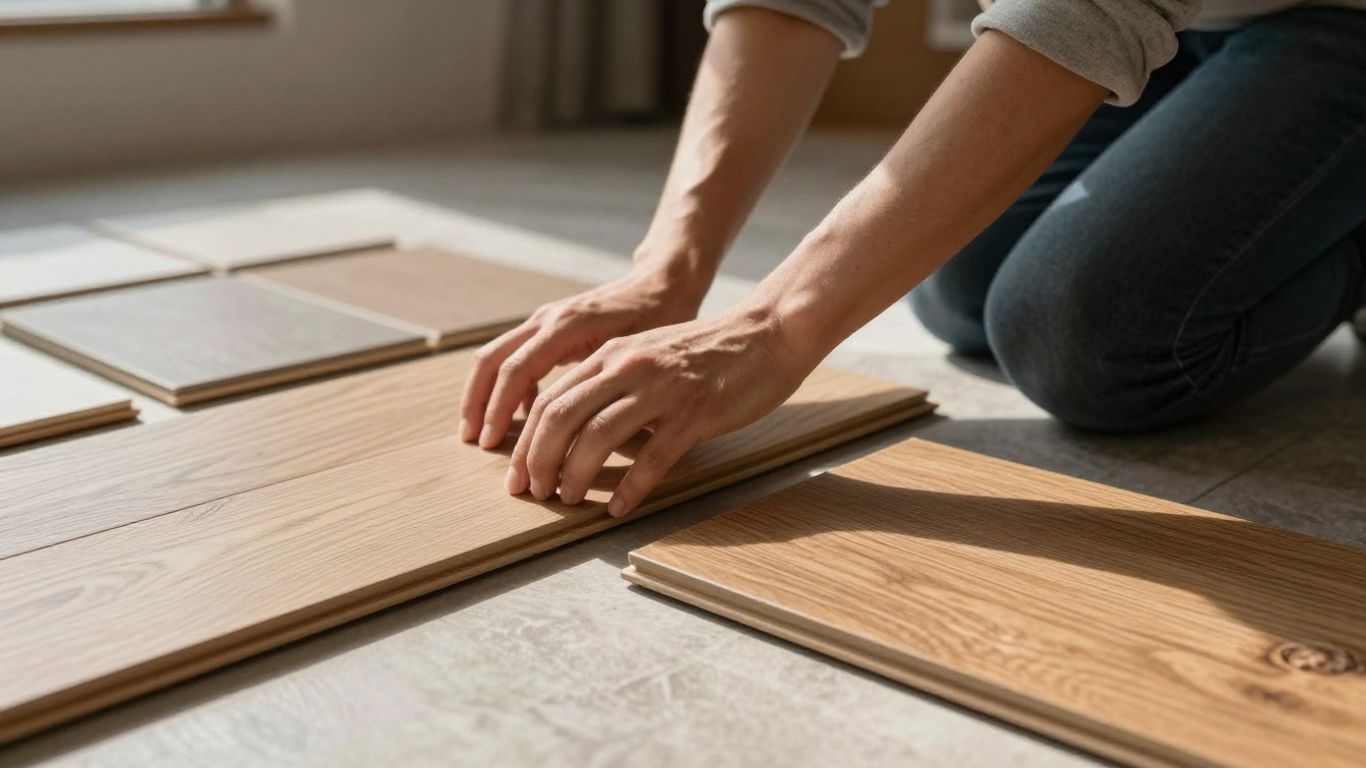
When you’re planning new floors for your Bristol home, it’s easy to get caught up in the look and feel, but don’t forget the practical side of things, especially when it comes to materials and budget. Skimping on the little things can really come back to bite you later.
Underestimating Material Wastage
This is a big one. People often think they can just measure their room and order exactly that amount of flooring. But that’s rarely the case. You’ve got cuts for doorways, around corners, and sometimes, things just don’t go to plan. For wood flooring, especially planks, aim for about 5-10% extra. If you’re going for more complex patterns like herringbone, you’ll need more, maybe 12-15%. For tiles, it’s similar – order at least 10% more than you need, and bump it up to 15% if you’re doing a fancy pattern. And don’t forget grout! Running out of the exact shade halfway through is a headache you don’t need.
Compromising Quality for Cost
It’s tempting to go for the cheapest option, especially when you’ve got a lot of flooring to buy. But often, the cheapest materials just don’t hold up. With wood flooring, a lower price might mean a thinner top layer of real wood. This layer is what you can sand down if it gets scratched. A thin layer means you can only do this once or twice before it’s gone, limiting the floor’s lifespan. A good quality floor, even if it costs more upfront, can last much longer and might even be refinished multiple times, making it a better deal in the long run. The same applies to other materials; a cheap underlay might save you a few pounds, but it won’t offer the same comfort, sound insulation, or longevity.
Ordering Sufficient Grout and Adhesives
Think about all the bits and pieces that go with your main flooring choice. Grout and adhesives are often overlooked until it’s too late. If you run out of grout, finding an exact colour match later can be surprisingly difficult, leading to visible lines. Similarly, having enough adhesive is key for a solid installation. It’s always better to have a little extra of these consumables than to be short when you’re halfway through the job. Check the manufacturer’s recommendations for quantities based on your specific flooring and room size.
Design And Flow Mistakes In Bristol Homes
When you’re thinking about flooring for your Bristol home, it’s easy to get caught up in the look of a single room. But a floor doesn’t just stop at a doorway, right? It connects your whole house. One big slip-up people make is not thinking about how the flooring will flow from one space to another. Choosing a flooring that has matching trims or transition pieces can make a huge difference in making your home feel put together.
Another common issue, especially in smaller Bristol properties, is using too many different types or colors of flooring. Imagine walking from a dark wood in the hall to a bright tile in the kitchen, then to carpet in the living room. It can feel choppy and make your home seem smaller than it is. It’s better to stick to one or two main materials that complement each other.
Making Colour Choices That Quickly Date
Trends come and go, and that’s fine for paint or accessories, but flooring is a bigger commitment. Picking a super trendy color or a bold, in-your-face pattern might seem exciting now, but it could look dated in just a few years. This isn’t just about your personal taste; it can actually affect your home’s value if you decide to sell down the line. Think about classic colors and patterns that have stood the test of time. They’re usually a safer bet for a lasting look.
Disrupting Room Flow With Too Many Materials
As mentioned, using too many different flooring materials in one line of sight can really mess with the visual flow of your home. It breaks up the space and can make even a large room feel smaller and more cluttered. If you have an open-plan layout, this is even more important to consider. You want a consistent feel that guides the eye smoothly from one area to the next. Think about how the flooring in your hallway connects to your living area, or how your kitchen floor transitions into your dining space. A unified approach usually works best.
Not Using Samples To Test Flooring In Your Space
This is a big one, and honestly, it’s like choosing paint without a tester pot. You see a gorgeous tile or a beautiful wood plank in a brightly lit showroom, and it looks perfect. But bring it into your Bristol home, with its unique lighting and existing decor, and it might look completely different. Always, always get samples. Live with them for a few days. See how they look in different lights – morning sun, evening lamps. This simple step can save you from a costly mistake and ensure you’re truly happy with your final choice.
Here’s a quick rundown of why samples matter:
See true colors: Lighting in stores can be misleading.
Check texture and finish: How does it feel and look up close?
Test scale: Especially important for patterned tiles; does the pattern repeat work in your room size?
Match existing decor: Does it clash or complement your furniture and wall colors?
Don’t underestimate the power of a sample. It’s a small step that provides a big reality check before you commit to a large purchase. It helps you avoid the ‘oops’ moment when the flooring arrives and doesn’t quite match your expectations.
Wrapping Up Your Flooring Project
So, we’ve gone over a bunch of common flooring slip-ups that can happen right here in Bristol homes. It’s easy to get excited about how a new floor will look, but sometimes we forget the practical stuff, like how it’ll hold up to daily life or if it’s even right for the room. Whether it’s picking the wrong material, not prepping the floor underneath properly, or even just ordering a bit too little, these little mistakes can turn into big headaches and cost a lot to fix. Taking a bit of extra time to plan, get samples, and maybe even call in a pro for the tricky bits can really save you stress and money down the line. Your floors are a big part of your home, so making sure they’re done right means you’ll be happy with them for years to come.
Frequently Asked Questions
What’s the biggest mistake people make when picking flooring?
A common slip-up is choosing looks over how practical the floor will be for your everyday life. For instance, a super shiny floor might look amazing in the store, but it can show every bit of dust, pet hair, and scratches, making it a pain to keep clean at home. It’s always smart to think about how you’ll use the room and how much cleaning you’re willing to do before you fall in love with a style.
Why is it important to consider the room’s conditions before choosing flooring?
Putting the wrong kind of flooring in a certain room can cause big problems. For example, laying wood in a damp bathroom or a wet basement is a recipe for disaster. The wood can warp, get moldy, or just fall apart way too soon. It’s crucial to pick materials that can handle the moisture and temperature of the specific space.
How does lifestyle affect flooring choices?
Your lifestyle plays a huge role! If you have pets, soft woods might get scratched up easily. If you have kids who love to spill things, a floor that’s tough to clean might not be the best idea. Some floors can also feel quite cold underfoot, which might not be comfy if you’re always barefoot. Matching your flooring to how you actually live makes a big difference.
What are common tile mistakes to avoid?
One big mistake is picking tiles that aren’t right for the job, like using delicate tiles in a high-traffic area. Another is forgetting to check the slip resistance rating, especially for bathrooms or kitchens where things can get wet. Also, make sure the size and pattern of the tiles look good in your actual room, not just on a small sample.
Why is letting wood flooring adjust to the room important?
Wood is a natural material that needs time to get used to the temperature and moisture levels in your home. This is called acclimatizing. If you put it down right away, the wood might expand or shrink later, causing gaps or making the floor buckle. Giving it enough time to adjust prevents these costly issues.
What’s the deal with expansion gaps for wood floors?
Wood naturally expands and shrinks a bit as the humidity changes. An expansion gap is a small space left around the edges of the room, next to the walls. This gives the wood room to move without pressing against the walls and causing the floor to buckle or lift. It’s a small detail that prevents major problems.