



Thinking about new carpet for your stairs in Bristol? It’s a common spot people forget about when decorating, but it really makes a difference. Stairs get a lot of foot traffic, so you want something tough that also looks good. Whether you’re after a bold pattern or something more subtle, picking the right carpet can totally change the feel of your home. Let’s look at some options for your carpet for stairs Bristol.
Key Takeaways
-
Nylon and wool carpets are top choices for stairs because they’re durable and can handle heavy use. Nylon is tough, while wool naturally resists stains and dirt.
-
Berber and loop pile carpets offer good durability due to their construction, making them suitable for busy stairways.
-
Stair runners are a stylish and often more affordable option, covering the center of the stairs while leaving the sides exposed.
-
Synthetic options like polypropylene and polyester can be great for busy homes, offering stain resistance and a softer feel at a good price.
-
Consider carpet weight; heavier carpets (around 40-50oz) are generally better for high-traffic areas like stairs and landings.
1. Nylon Carpet
When you’re thinking about carpeting for your stairs in Bristol, nylon is a material that really stands out. It’s known for being incredibly tough and resilient, which is exactly what you need for a high-traffic area like stairs. Nylon fibers have a fantastic ability to bounce back, meaning they can handle constant foot traffic without getting flattened or worn down too quickly. This makes it a really practical choice for busy households, especially if you have kids or pets running up and down all day.
One of the best things about nylon is its durability. It holds its color well and resists fading, so those stairs will keep looking good for a long time. Plus, it’s pretty good at resisting stains, though it’s always a good idea to clean up spills right away. You’ll find nylon carpets come in all sorts of styles and patterns, so you don’t have to sacrifice looks for toughness.
Here’s a quick rundown of why nylon is a solid pick:
-
Excellent wear resistance: Stands up to heavy foot traffic.
-
Good stain resistance: Helps keep spills from becoming permanent marks.
-
Colorfastness: Resists fading from sunlight and general wear.
-
Resilience: Fibers tend to spring back into shape.
While nylon is a synthetic fiber, its performance characteristics make it a top contender for demanding areas like staircases. It offers a great balance of strength, appearance retention, and ease of care, which is a winning combination for many homeowners.
Think of it as an investment in a carpet that can really take a beating and still look great. For stairs that see a lot of action, nylon is definitely worth considering.
2. Wool Carpet
When you’re thinking about the best carpets for stairs, wool often comes up, and for good reason. It’s a natural fiber that’s pretty tough. Wool carpets are known for their durability and ability to bounce back, which is exactly what you need on stairs that get a lot of foot traffic.
One of the best things about wool is how it holds up over time. It doesn’t flatten out easily, so your stairs will keep looking good for ages. Plus, it’s naturally resistant to things like fading and stains, which is a big win when you’ve got kids or pets running up and down all day. It also has a nice feel underfoot, not too rough, not too soft, just right.
Here’s a quick look at why wool is a solid choice:
-
Durability: It can handle heavy use without looking worn out quickly.
-
Resilience: Springs back into shape, resisting crushing.
-
Natural Fire Resistance: Wool is less flammable than many synthetic options.
-
Insulation: Helps keep your home warmer in the winter.
-
Eco-Friendly: It’s a renewable resource.
Wool carpets might cost a bit more upfront compared to some synthetic options, but their longevity and how well they wear often make them a more cost-effective choice in the long run. You’re basically paying for quality that lasts.
So, if you’re in Bristol and looking for a carpet that’s both stylish and can take a beating on the stairs, wool is definitely worth considering. It’s a classic for a reason.
3. Berber Carpet
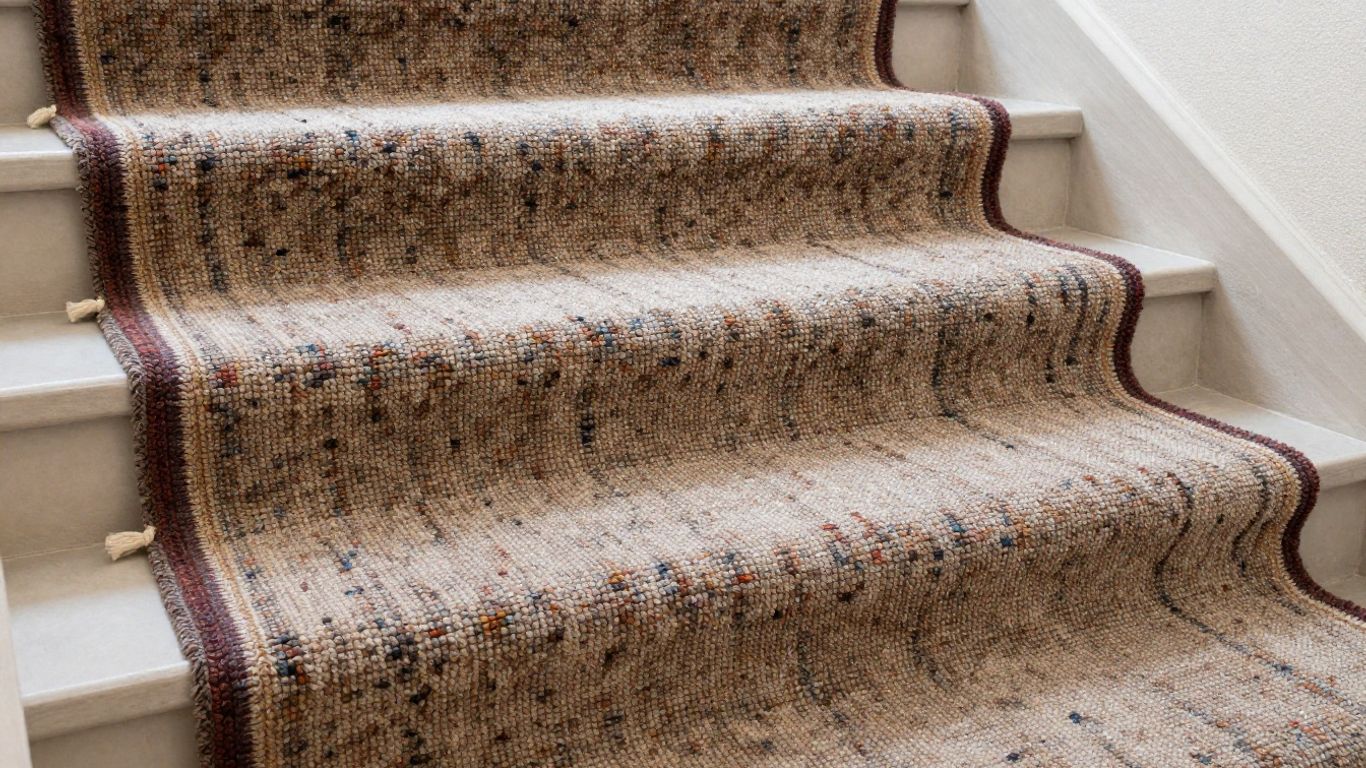
Berber carpet is a popular choice, and for good reason. It’s known for its distinctive looped construction, which gives it a unique look and feel. This type of carpet is made by looping the yarn and leaving it uncut, creating a series of small loops across the surface. This construction makes Berber carpets incredibly durable and resistant to wear and tear.
Berber is a fantastic option for stairs because of its hard-wearing nature. It can handle a lot of foot traffic without showing signs of wear too quickly. Plus, the looped texture can hide dirt and debris better than some other carpet types, which is a big plus for busy households. It’s also often made from natural fibers like wool or synthetic materials like nylon or polypropylene, giving you options depending on your budget and needs.
Here’s a quick look at why Berber stands out:
-
Durability: The looped construction is tough and resists crushing.
-
Stain Resistance: Many Berber carpets have good stain resistance, especially those made from synthetic fibers.
-
Appearance: It offers a textured, somewhat casual look that fits well in many homes.
-
Maintenance: Generally easy to clean, though you need to be careful with pet claws that could snag the loops.
When considering Berber for your Bristol home’s stairs, think about the specific material it’s made from. A wool Berber will offer natural warmth and resilience, while a synthetic Berber might be more budget-friendly and easier to clean if you have pets or young kids. It’s a solid, practical choice that balances looks with performance.
While the looped construction is a major benefit for durability, it’s worth noting that very active pets with sharp claws might occasionally snag the loops. If this is a concern, look for Berber styles with a tighter, shorter loop or consider a different carpet type altogether.
4. Polypropylene Carpet
Polypropylene, often called olefin, is a synthetic carpet fiber that’s become a real go-to for busy homes, and for good reason. It’s incredibly resistant to stains and moisture, which is a lifesaver when you’ve got kids, pets, or just a general tendency to spill things. Think of it as the low-maintenance friend of the carpet world.
One of the biggest perks of polypropylene is how easy it is to clean. Most common household spills, like juice or coffee, can be wiped right up without leaving a trace. This makes it a fantastic choice for high-traffic areas like hallways and, of course, stairs where spills are practically inevitable. It’s also pretty durable, holding up well against daily wear and tear, though it might not bounce back from heavy furniture indentations quite as well as some other materials.
Here’s a quick rundown of why it’s a solid option:
-
Stain Resistance: Seriously good. Most liquids just bead up on the surface.
-
Waterproof: It doesn’t absorb water, so mold and mildew aren’t usually an issue.
-
Affordability: Generally more budget-friendly than natural fibers like wool.
-
Colorfastness: It holds its color well, resisting fading from sunlight.
While it’s not quite as soft underfoot as some other options, the practicality it offers is hard to beat. For a home in Bristol that sees a lot of action, polypropylene carpets provide a sensible balance of resilience and ease of care. You can find some really nice options that mimic the look of natural fibers, giving you that stylish finish without all the fuss. If you’re looking for carpets that can handle life’s little messes, polypropylene is definitely worth a look, and you can explore brands like Anderson Tuftex for quality choices.
5. Polyester Carpet
Polyester carpet is a synthetic option that’s gained popularity, and for good reason. It’s known for being really soft underfoot, which makes it a comfy choice for places where you’ll be kicking off your shoes. Think living rooms or bedrooms, you know, those cozy spots.
One of the big selling points for polyester is its stain resistance. Spills happen, especially with kids or pets running around, and polyester tends to handle them pretty well. It doesn’t absorb liquids as much as some other materials, making cleanup a bit less of a headache. This makes it a practical choice for busy households in Bristol.
When it comes to durability on stairs, polyester is decent, but it might not hold up quite as long as nylon under really heavy, constant foot traffic. It can sometimes show wear patterns in high-traffic zones more readily. However, for many homes, especially if you’re looking for a balance of comfort and affordability, it’s a solid contender. You can find polyester carpets in a wide array of colors and styles, so matching your decor shouldn’t be too difficult. If you’re considering different types of carpet, it’s worth looking into various synthetic fibers to see what fits your needs best.
Here’s a quick rundown:
-
Softness: Generally very soft and plush.
-
Stain Resistance: Good, making it easier to clean up messes.
-
Affordability: Often more budget-friendly than other options.
-
Color Retention: Holds color well, resisting fading.
While polyester offers a great combination of softness and stain resistance, it’s important to consider the specific wear and tear your stairs will experience. For the absolute toughest conditions, you might want to compare it with other materials known for extreme resilience.
6. Loop Pile Carpet
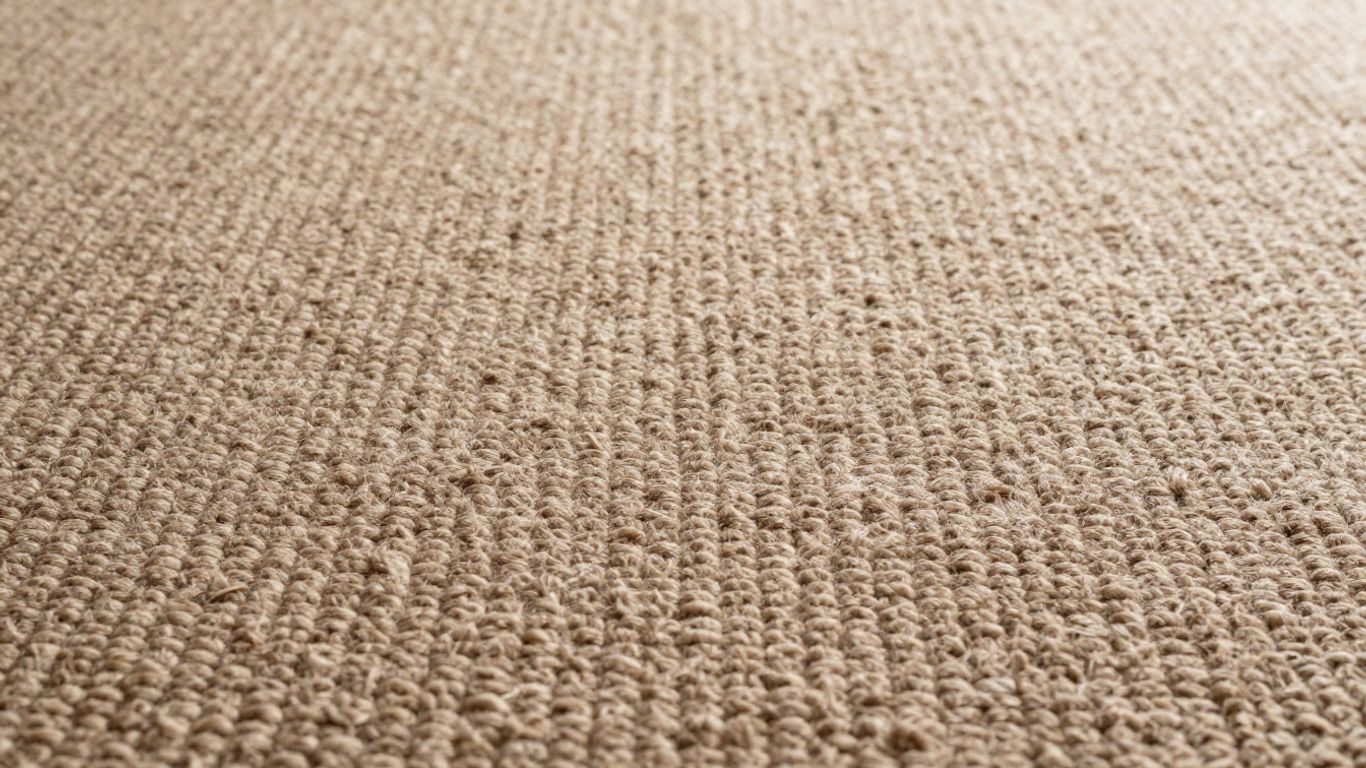
Loop pile carpet is a really popular choice, and for good reason. It’s made by looping the yarn through the carpet backing, which creates a dense, sturdy surface. This construction makes it quite hardwearing, so it can handle a good amount of foot traffic.
Think of it as a carpet that’s built to last, especially in busy areas of your home. It’s also pretty versatile, coming in all sorts of colours and even some Berber-style effects. It’s a solid option if you’re looking for something that’s both practical and won’t break the bank.
However, there’s a bit of a catch, especially if you have pets. Those loops, while great for durability, can sometimes snag on pet claws or paws. So, if you’ve got furry friends running around, you might want to think twice or look for a tighter loop construction.
Here’s a quick rundown of why loop pile is a good contender:
-
Durability: The looped construction is tough and resists crushing.
-
Appearance: It offers a neat, uniform look.
-
Maintenance: Generally easy to clean, though specific types might vary.
-
Variety: Available in many colours and patterns.
When considering loop pile for your stairs, remember that the tighter the loops, the better it will hold up against wear and tear. It’s a smart way to get a carpet that looks good and performs well, even with daily use.
7. Stair Runner
Stair runners are a pretty neat way to add some style to your stairs without going for a full carpet. Basically, it’s a strip of carpet that runs right down the middle of your staircase, leaving the sides of the wood steps exposed. This gives you the best of both worlds – you get the warmth and texture of carpet, plus you get to show off the nice wood of your staircase.
They’re a great option if you like the look of hardwood stairs but want a bit more comfort and safety. Runners can really make a statement, bringing in color, pattern, or texture to what might otherwise be a plain area. Think about stripes, geometric designs, or even natural materials like sisal. You can also add decorative elements like stair rods to really finish the look.
Here’s a quick rundown of why you might choose a runner:
-
Adds Style: A simple way to introduce color or pattern.
-
Comfort & Safety: Provides a softer, less slippery surface than bare wood.
-
Shows Off Wood: Lets the natural beauty of your staircase shine through.
-
Cost-Effective: Often less expensive than fully carpeting or a new hardwood installation.
Keep in mind that for a stair runner to look good, the exposed parts of your staircase should be in decent condition. You’ll also want to keep it clean with regular vacuuming, just like any carpet.
They’re a good compromise, especially if you have kids or older folks around, as they offer a bit more grip than bare wood. Plus, they can help cut down on some of the noise from footsteps, which is always a bonus.
8. Stripe Carpet
Stripes on the stairs can really liven things up, you know? They add a bit of visual interest without being too overwhelming, which is perfect for a busy spot like a staircase.
Striped carpets are a fantastic way to add personality and a sense of direction to your hallway. Whether you go for bold, wide stripes or something more subtle and thin, they can make your stairs feel longer and more inviting. It’s a classic pattern that works in pretty much any home, from modern flats to older houses.
When picking out a stripe, think about the colours. You can go for a simple black and white for a really sharp look, or maybe something with a few more colours to tie in with your decor. Some carpets even have stripes along the edges, which is a neat way to add a little something extra.
Durability is also something to consider. Many striped carpets are made from synthetic materials like polypropylene, which are known for being tough and easy to clean. This is a big plus for stairs that get a lot of foot traffic, especially if you have kids or pets.
Here are a few things to keep in mind:
-
Colour Choice: Think about how the stripes will look with your wall colour and overall style.
-
Stripe Width: Wider stripes can make a statement, while narrower ones are more understated.
-
Material: Look for hard-wearing materials that can handle the wear and tear of stairs.
-
Pattern Matching: If you’re getting a carpet with a distinct stripe pattern, make sure the installer knows how to match it up properly on each step, especially on winding stairs. This might mean you need a bit more carpet than you’d initially think.
Choosing a striped carpet for your stairs is a smart move. It’s a way to add style and character that’s both practical and pleasing to the eye, making your entryway feel a bit more special every time you walk on it.
9. Herringbone Carpet
When you’re looking to add a bit of visual flair to your Bristol home’s staircase, the herringbone pattern is a fantastic choice. It’s that classic V-shaped weave that just looks sophisticated, you know? It works surprisingly well in both modern and more traditional settings, blending in without being boring. Think of it as a way to give your stairs some personality without going overboard.
Herringbone isn’t just about looks, though. It’s a pattern that can actually help hide minor wear and tear, which is pretty handy for busy staircases. Plus, it adds a sense of depth and movement. You can find it in various materials, from durable synthetics to natural wool, so you can pick something that fits your lifestyle and budget. If you’re considering a new carpet for your stairs, a herringbone design is definitely worth a look.
Here’s why it’s a solid option:
-
Timeless Appeal: It’s a design that doesn’t really go out of style.
-
Visual Interest: Adds a dynamic element to an often-overlooked part of the home.
-
Durability: The pattern can mask small scuffs and dirt.
-
Versatility: Pairs well with many interior design styles.
Choosing a herringbone carpet for your stairs means you’re opting for a style that’s both elegant and practical. It’s a pattern that has stood the test of time for good reason, offering a unique look that can really make your staircase pop. It’s a great way to add character to your home, and many homeowners find it makes their space feel more complete. You can find some great options at places that offer professional flooring services.
When you’re picking out your herringbone carpet, think about the pile type too. A flatweave herringbone, for example, is often recommended for stairs because it’s low-profile and less likely to snag. It makes for a really clean look and is easy to keep tidy. It’s a smart choice for a high-traffic area like the stairs in your Bristol home.
10. Oak Staircase
When you’re thinking about the best flooring for your stairs, sometimes the simplest, most natural option is the way to go. An oak staircase, for instance, brings a classic, sturdy feel to any home in Bristol. It’s a choice that really speaks to durability and timeless style.
Oak is a hardwood, which means it’s tough. It can handle all the foot traffic your stairs get day in and day out without showing wear and tear too quickly. Plus, it looks great. You can stain it to match other wood furniture or flooring you have, making everything in your home feel more connected. It’s a solid investment that can last for years.
However, it’s not all sunshine and roses. Wooden stairs, especially oak, can be a bit noisy. If you’ve got kids running up and down, you’ll definitely hear them. Also, if the finish is really slick, it might get a little slippery, which is something to think about if you have little ones or older folks around. It’s also not the cheapest option upfront, but the longevity often makes up for it.
Choosing an oak staircase means opting for natural beauty and strength. While it might cost more initially and can be a bit noisy, its durability and classic look make it a popular choice for many homeowners looking for a long-term solution.
If you’re leaning towards a natural wood look but want a bit of softness underfoot, you could consider a stair runner on your oak steps. This way, you get the best of both worlds – the elegance of the wood and the comfort of carpet in the middle. It’s a nice compromise that many Bristol homes opt for. If you’re looking for custom staircases, Bristol Joinery offers services that could help bring your vision to life.
Wrapping Up Your Stairway Choices
So, picking the right carpet for your Bristol stairs really comes down to what you need. If you’ve got a busy house with kids or pets, something tough like nylon or a stain-resistant synthetic might be your best bet. For a bit more comfort and a natural feel, wool is great, though it costs a bit more. Whether you go for a full carpet or just a runner, remember that good underlay makes a big difference in how long it lasts and how it feels. Don’t forget to think about the look too – a nice pattern can really liven up the place. If you’re still not sure, popping into a local shop or giving them a call is always a good idea. They can help you figure out the best fit for your home and your budget.
Frequently Asked Questions
What’s the most durable carpet for busy stairs?
For stairs that see a lot of action, like in homes with kids or pets, nylon carpets are a top pick. They’re super tough and can handle lots of footsteps without looking worn out quickly. Polypropylene is another strong choice that’s also good at resisting stains, which is handy for spills.
Is wool carpet a good choice for stairs?
Wool carpets are a fantastic natural option for stairs. They’re naturally tough and can bounce back even with heavy use. Plus, wool has a great ability to resist stains and dirt, and it feels really warm and cozy under your feet. It can be a bit pricier, though.
What’s the difference between a full carpet and a stair runner?
A full carpet covers every inch of the stairs, giving a plush, unified look. A stair runner is a strip of carpet that goes down the middle, leaving the sides of the stairs visible. Runners can be a more budget-friendly way to add style and are great if you want to show off your wooden stairs.
Why is carpet good for stairs, especially with kids or older people?
Carpet offers better grip than bare wood or laminate, making it safer to walk on, especially if someone is wearing socks or if there’s a spill. It provides more stability and can help cushion a fall, which is a big plus for families with little ones or elderly members.
How much does it usually cost to carpet stairs?
The cost can vary, but typically, carpeting a simple, straight staircase might cost around £150 to £250, not including tax. If your stairs have turns or are more complex, it could cost more. The type of carpet you choose also affects the price, with natural materials like wool costing more than synthetic ones.
Do I need underlay for my stair carpet?
Yes, it’s highly recommended to use a good quality underlay with your stair carpet or runner. Underlay helps protect the carpet from wear and tear, making it last much longer. It also adds extra comfort underfoot and can help reduce noise from footsteps.