




Thinking about new floors for your place in Bristol? It’s a big decision, for sure. You want something that looks good, holds up over time, and doesn’t cost a fortune. With all the choices out there, it’s easy to feel a bit lost. This article is going to break down Luxury Vinyl Tile (LVT) flooring, looking at what it is, why people in Bristol like it, and if it’s really worth the money. We’ll even touch on some popular brands and practical stuff like where you can put it.
Key Takeaways
Luxury Vinyl Tile (LVT) flooring offers a durable, waterproof, and stylish option that can mimic wood, stone, or tile, making it suitable for any room in your Bristol home and easy to maintain.
Standard vinyl flooring is a more budget-friendly choice, often simple to install and care for, though generally not as tough as LVT.
Carpet provides warmth and comfort, with many styles available, but it can be trickier to clean and more prone to stains compared to LVT.
LVT, including well-known brands like Amtico and Karndean, is a popular flooring choice in Bristol because it looks realistic, lasts well, and works for both homes and busy areas.
When comparing LVT and laminate, both are easy to clean and can work with underfloor heating, but LVT usually offers better durability and water resistance.
Understanding Luxury Vinyl Tile Flooring
What Is LVT Flooring?
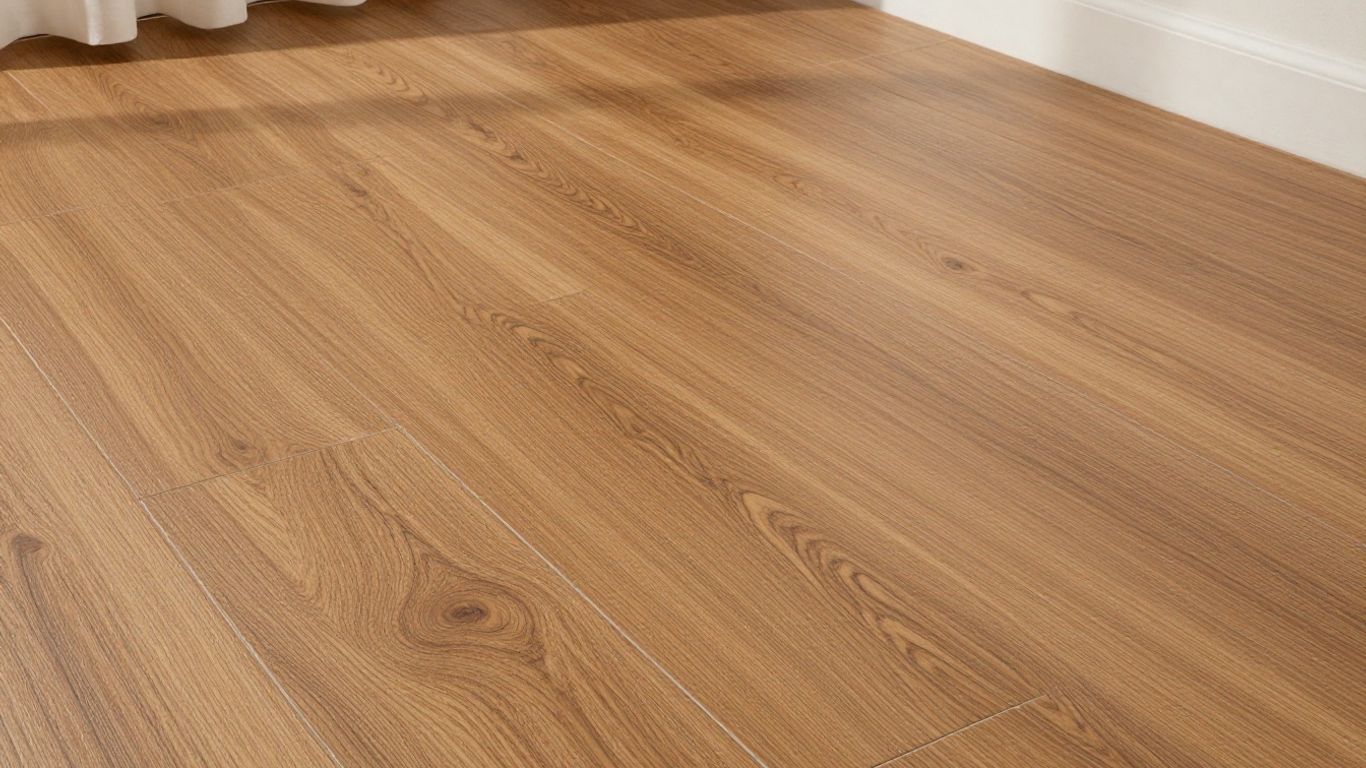
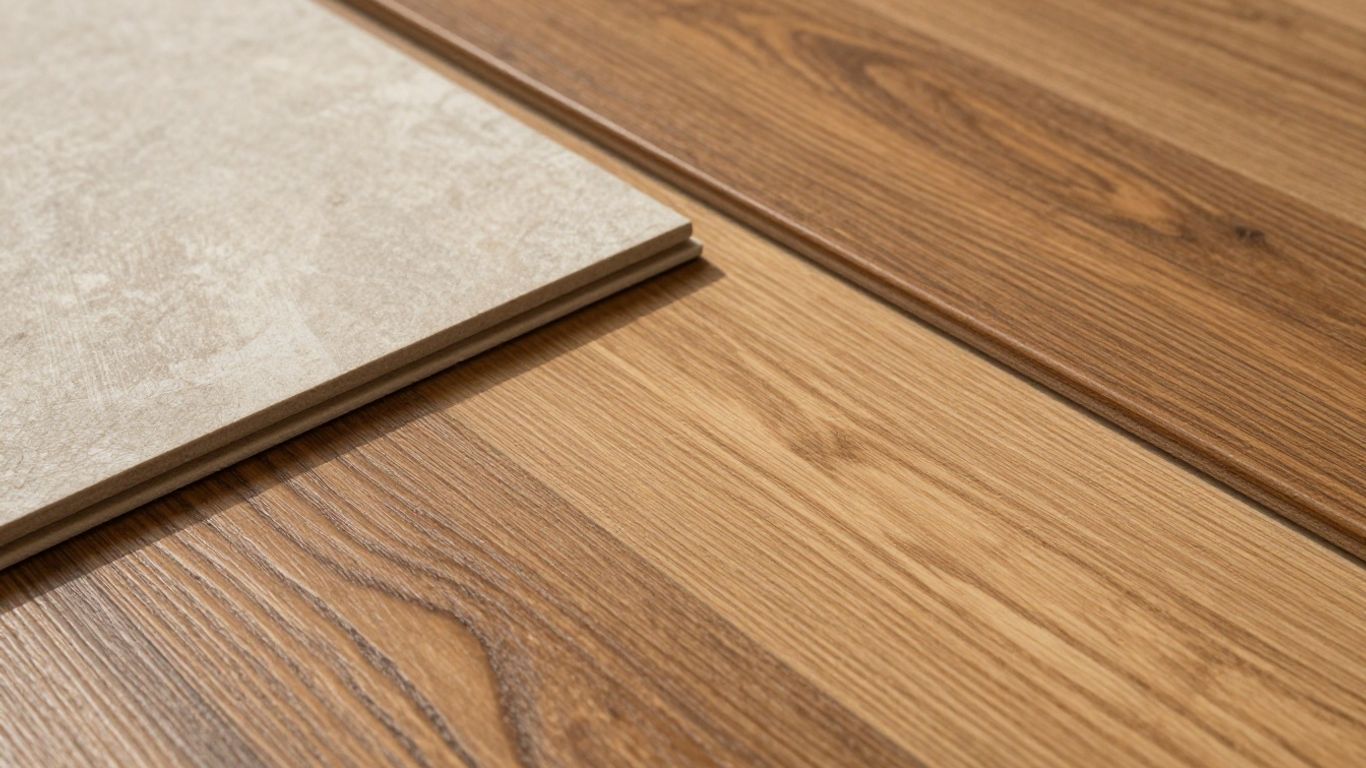
Luxury Vinyl Tile, or LVT, is a type of flooring that’s become super popular, and it’s easy to see why. Basically, it’s a man-made material designed to look like natural flooring options, such as wood or stone, but without the high cost or the upkeep headaches. Think of it as a clever imitation that’s also really practical for everyday life. It’s made up of several layers, usually including a backing, a core, a printed design layer that gives it its realistic look, and a tough protective wear layer on top. This construction makes it pretty resilient to daily wear and tear. It’s a fantastic option for high-moisture areas like kitchens, bathrooms, and laundry rooms because it’s water-resistant. Unlike some other materials, spills and splashes aren’t usually a big worry with vinyl. LVT offers a compelling flooring solution.
The Appeal of LVT for Bristol Homes
So, why are so many people in Bristol choosing LVT? Well, it really hits a sweet spot for homeowners. You get that high-end look – maybe the rich texture of oak or the cool elegance of slate – without the actual material’s price tag or maintenance demands. It’s a flooring that can handle the hustle and bustle of family life, whether that means muddy boots, spilled drinks, or pet paws. Plus, it’s surprisingly comfortable underfoot and does a decent job of quieting down noise, which is always a bonus.
Key Benefits of LVT
LVT flooring really shines when you look at what it brings to the table. It’s not just about looks; it’s about how it performs in your home.
Realistic Appearance: Modern printing techniques mean LVT can look incredibly like real wood or stone, often fooling the eye.
Durability: It holds up well against daily wear and tear, scratches, and stains. This makes it a solid pick for busy areas.
Water Resistance: Many types are waterproof, making them perfect for moisture-prone areas like kitchens and bathrooms.
Comfort & Sound: It’s softer and quieter to walk on compared to harder flooring options like tile or laminate.
Easy Maintenance: Usually, a sweep and a mop are all you need to keep it looking good.
LVT flooring is a smart pick because it gives you the high-end aesthetic you might want, like the look of natural stone or rich wood, but it’s much more forgiving when it comes to everyday life. It’s designed to last, often for 10 to 20 years or even longer with good care, meaning you won’t be thinking about replacing it anytime soon.
Comparing LVT Flooring Options
When you’re trying to pick out new flooring, it can get a little confusing with all the different types out there. LVT is super popular right now, but how does it stack up against other common choices like standard vinyl, carpet, and laminate? Let’s break it down.
LVT vs. Standard Vinyl Flooring
Think of standard vinyl flooring as the budget-friendly workhorse. It’s been around forever and does a decent job, especially if you’re trying to keep costs low. It’s usually a sheet product, meaning fewer seams, which can be good for preventing leaks. However, it often doesn’t have the same realistic look or the same thickness and durability as LVT.
LVT, on the other hand, is designed to look much more like natural materials – think wood planks or stone tiles. It’s typically thicker, with a more detailed print layer and a tougher wear layer. This means it holds up better to daily wear and tear, and it just looks more high-end. While standard vinyl might be okay for a rental or a quick fix, LVT is generally a better long-term investment for your home.
LVT vs. Carpet for Family Homes
Carpet is definitely cozy. It’s soft underfoot, warm, and can make a room feel really inviting. For a family home, especially with young kids or pets, that softness can be a big plus. But let’s be real, carpet is a magnet for spills, stains, and dirt. Cleaning up after a toddler’s juice box or a muddy paw print can be a real headache, and deep cleaning isn’t always fun.
LVT offers a much more practical solution for busy families. It’s waterproof and super easy to clean. A quick sweep and a damp mop usually do the trick, even for most spills. While it doesn’t have that same plush feel as carpet, its durability and ease of maintenance make it a far more sensible choice for areas that see a lot of action. You get the style without the constant worry about messes.
LVT vs. Laminate Flooring Durability
Laminate flooring has come a long way. It’s made to look like wood or stone, and it’s often more affordable than LVT. It’s pretty tough too, and many types are easy to clean. However, there’s a big difference when it comes to moisture.
While some newer laminates are water-resistant, most aren’t fully waterproof. This means spills left too long, or moisture in bathrooms and kitchens, can cause the core to swell and warp, leading to permanent damage. LVT, especially the SPC or WPC core types, is generally much more water-resistant, and many options are completely waterproof. This makes LVT a safer bet for areas where spills are common or for homes in wetter climates. When comparing durability, LVT often wins out due to its superior water resistance and generally tougher wear layer, making it a more reliable choice for long-term use.
When choosing between LVT and laminate, consider the specific room and your lifestyle. If you have a busy household with kids and pets, or if you’re installing in a kitchen or bathroom, LVT’s waterproof nature and superior durability often make it the smarter investment. Laminate can be a good option for drier, less high-traffic areas where budget is a primary concern, but always check the specific product’s water resistance.
Exploring Popular LVT Brands in Bristol
When you’re looking at LVT flooring for your Bristol home, you’ll notice a few big names keep popping up. These brands have built a reputation for quality, design, and how well their products hold up over time. It’s not just about picking a pretty pattern; it’s about investing in something that will look good and function well for years to come.
Amtico LVT: A Premium Choice
Amtico is often seen as a top-tier option in the LVT world. They’re known for really detailed designs that can mimic natural materials like wood and stone with impressive accuracy. If you’re after a high-end look that’s also super practical, Amtico is definitely worth a look. They offer a wide range of collections, from classic wood planks to modern stone tiles, so you can usually find something that fits your style. Their commitment to quality means you’re getting a floor that’s built to last.
Karndean LVT: Realistic Designs
Karndean is another giant in the LVT market, and for good reason. They really focus on making their LVT look and feel like the real thing – think realistic wood grain textures or the subtle variations you see in natural stone. They have a huge selection, which is great because it means you’re likely to find exactly what you’re looking for, whether it’s a rustic farmhouse vibe or a sleek, contemporary feel. Many people in Bristol choose Karndean because it offers that authentic look without the upkeep of natural materials. You can check out various Karndean designs to get a feel for their range.
Moduleo LVP: Natural Wood Aesthetics
Moduleo stands out for its focus on natural aesthetics, particularly its wood-look luxury vinyl plank (LVP) options. Their designs often capture the warmth and character of real wood, offering a beautiful and durable alternative. If you love the look of hardwood but need something more resistant to moisture and wear, Moduleo is a strong contender. They also put a good deal of effort into the environmental side of things, which is a nice bonus for many homeowners.
Here’s a quick look at what makes these brands popular:
Amtico: Known for premium quality and intricate, high-end designs.
Karndean: Offers incredibly realistic wood and stone looks with a vast selection.
Moduleo: Specializes in natural wood aesthetics with a focus on sustainability.
Choosing between these brands often comes down to the specific look you want and your budget. All three provide excellent durability and water resistance, making them suitable for various rooms in your home. It’s worth visiting a local showroom to see samples up close and feel the textures for yourself.
Practical Considerations for LVT Installation
So, you’re thinking about LVT for your place in Bristol. Great choice! But before you get too excited about the finished look, let’s chat about the actual installation part. It’s not super complicated, but knowing a few things upfront can save you headaches later.
LVT in Bathrooms and Kitchens
This is where LVT really shines. Because it’s so good with water, you don’t have to stress about spills in the kitchen or splashes in the bathroom. Unlike some other flooring that can warp or get ruined by moisture, LVT holds up really well. It’s a fantastic option for these high-traffic, potentially wet areas. You can get that beautiful wood or stone look without worrying about water damage. Just make sure you choose a quality LVT product designed for these spaces, and the installation is pretty straightforward.
Comfort and Sound Properties of LVT
One thing people often mention about LVT is how it feels underfoot. It’s not rock hard like tile or some laminates. It has a bit of give, which makes it surprisingly comfortable to stand on for long periods. Think about spending time in the kitchen or a busy hallway – that extra bit of cushioning makes a difference. Plus, it’s pretty good at muffling sound. If you’ve got kids running around or live in an apartment where noise is a concern, LVT can help quiet things down. It absorbs impact sound better than harder surfaces, so you won’t get that loud clacking with every step. It’s a nice bonus that adds to the overall feel of your home.
Installation Options for LVT
When it comes to getting LVT down, you’ve got a few routes. The most common is a click-lock system, where planks or tiles simply snap together. This is often a DIY-friendly option if you’re feeling handy. Another method is glue-down, which is usually what professionals prefer for a really secure, long-lasting fit, especially in commercial spaces or very humid areas. Some LVT can even be installed over existing hard flooring, which can save time and money on prep work. The whole process, from start to finish, can often be completed in under 24 hours, depending on the size of your room and the specific type of LVT you choose. It’s pretty quick when you think about it!
Here’s a quick look at the main installation types:
Click-Lock: Planks or tiles have a tongue-and-groove system that clicks together. Great for DIY.
Glue-Down: Adhesive is applied to the subfloor, and the LVT is pressed into it. Offers a very strong bond.
Loose-Lay: Less common, but some LVT can be laid without adhesive or clicking, often held by friction or tape.
Choosing the right installation method often depends on your subfloor, the specific LVT product, and whether you’re doing it yourself or hiring a pro. For most homes, click-lock or glue-down are the go-to options.
The Value Proposition of LVT Flooring
So, we’ve talked about what LVT is and how it stacks up against other options. Now, let’s get down to brass tacks: is it actually worth the investment, especially for homes here in Bristol?
Long-Term Durability and Investment
When you’re looking at flooring, you don’t just want something that looks good for a year or two. You want it to last. LVT really shines here. It’s built tough, designed to handle the everyday hustle and bustle of family life – think muddy boots, spilled drinks, and playful pets. Unlike some materials that scratch or fade easily, LVT holds its own. This means you’re not constantly thinking about repairs or replacements. It’s a flooring choice that can genuinely stick around for a decade or more with the right care, making it a solid long-term investment for your home.
Maintenance and Ease of Care
Let’s be honest, nobody wants to spend their weekends scrubbing floors. One of the biggest wins for LVT is how simple it is to look after. Usually, a quick sweep or vacuum followed by a damp mop is all it takes to keep it looking fresh. It doesn’t soak up spills like carpet can, and unlike real wood, you don’t need special polishes or treatments. This low-maintenance aspect is a huge plus, freeing up your time for more enjoyable things.
Sweep or vacuum regularly to remove grit.
Wipe up spills immediately with a damp cloth.
Use a pH-neutral floor cleaner for deeper cleaning, if needed.
Avoid abrasive cleaners or excessive water.
Is LVT Flooring Worth It in Bristol?
Considering its durability, the ease of maintenance, and the wide range of stylish looks available, LVT flooring presents a really strong case for itself. It offers that high-end aesthetic without the high-end price tag or the high-maintenance hassle. For Bristol homes, with their mix of busy lifestyles and sometimes unpredictable weather, LVT’s waterproof and resilient nature makes it a practical and attractive choice. It’s a flooring solution that balances form and function, providing a beautiful and dependable foundation for your home for years to come. It’s a smart pick if you’re looking for a floor that can keep up with life. This flooring is a great option for families.
LVT flooring offers a practical blend of style and resilience, making it a sensible choice for homeowners who want a beautiful floor that can withstand the demands of daily life without requiring constant upkeep. Its ability to mimic natural materials at a lower cost and with greater durability adds to its appeal as a long-term home improvement.
So, Is LVT Flooring Worth It in Bristol?
After looking at all the options, it really seems like LVT flooring is a solid choice for a lot of homes around Bristol. It’s tough, looks great, and can handle spills and daily life pretty well, which is a big plus. Whether you’re going for that fancy wood look or a sleek stone vibe, LVT can pull it off without costing a fortune or demanding constant upkeep. Compared to carpet, it’s way easier to clean, and compared to some other options, it’s more water-resistant. So yeah, if you want flooring that’s stylish, practical, and built to last in a busy household, LVT is definitely worth considering for your place.
Frequently Asked Questions
What’s the main difference between LVT and regular vinyl flooring?
Think of LVT (Luxury Vinyl Tile) as the upgraded version of regular vinyl. LVT is designed to look super realistic, like real wood or stone, and it’s usually thicker and tougher. Regular vinyl is more basic, often cheaper, and might not look as fancy, but it’s still a good, practical choice for many homes.
Is LVT flooring a good choice for homes in Bristol?
Definitely! LVT is a great pick for Bristol homes because it can handle moisture, which is handy with our weather. It’s also really strong against daily wear and tear, easy to clean up after muddy boots or spilled drinks, and it looks stylish, giving you options from wood to stone vibes.
How does LVT compare to carpet for a family home with kids and pets?
Carpet feels soft and warm, which is nice, but it can easily get stained and is harder to clean when accidents happen. LVT, on the other hand, is waterproof and super easy to wipe clean. This makes it a much more practical and less stressful option if you have a busy family life with little ones or furry friends running around.
Can I put LVT flooring in my bathroom or kitchen?
Yes, absolutely! LVT is fantastic for bathrooms and kitchens because it’s waterproof. Spills and splashes won’t ruin it like they might with other types of flooring. It’s a worry-free choice for areas where water is often around.
Which is tougher: LVT or laminate flooring?
Generally, LVT is known for being more durable and lasting longer than laminate. While laminate can be tough, LVT often handles scratches better and is usually waterproof, which isn’t always the case with laminate. So, for long-term toughness, LVT usually wins.
Do LVT floors make a lot of noise when you walk on them?
Not at all! LVT is actually quite comfortable and quiet underfoot. It has good sound-dampening qualities, meaning it won’t create as much echo or noise as really hard floors like tile or some types of laminate. It makes for a more peaceful home.